High Containment Processing Explained: Containment Technologies, Processing Equipment, Manufacturing Systems, Global Manufacturers, Suppliers and Pharmaceutical Applications
High containment processing refers to controlled manufacturing and handling practices designed to prevent hazardous or highly potent materials from escaping into surrounding areas while protecting workers, products, and the environment. It is particularly important in pharmaceutical manufacturing involving potent active pharmaceutical ingredients, certain biological materials, and other substances requiring controlled exposure.
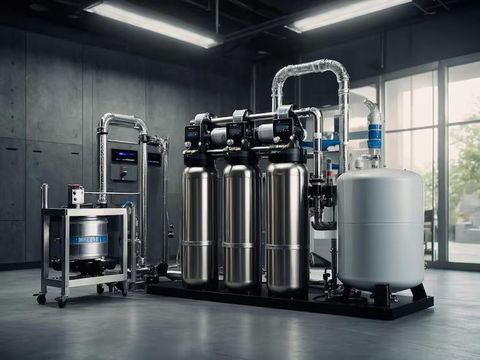
Modern high-containment facilities combine specialized process equipment, closed material-transfer systems, engineering controls, filtration, pressure management, monitoring, and validated operating procedures.
What Is High Containment Processing?
High containment processing uses engineering and operational controls to keep hazardous materials within a defined processing environment.
The containment strategy can involve:
Closed processing equipment
Isolators
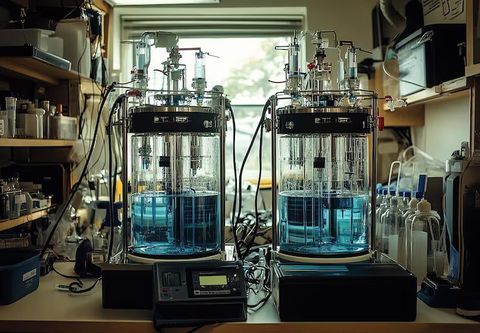
Containment vessels
High-containment transfer systems
Specialized valves and connections
High-efficiency filtration
Controlled airflow
Pressure differentials
Decontamination systems
Automated monitoring
The required containment level depends on the material, process, exposure risk, facility design, and applicable regulatory requirements.
Major Containment Technologies
Isolator Systems
Isolators create a physically separated workspace around a process. Operators interact with equipment through integrated glove systems or other controlled interfaces.
They can be used for material handling, dispensing, sampling, filling, and other operations where exposure control is important.
Closed Processing Systems
Closed systems minimize direct operator interaction with process materials. Sealed vessels, transfer lines, valves, and connections can reduce opportunities for material release.
Split Butterfly Valves
Split butterfly valve systems can provide controlled material transfer between process equipment while maintaining separation between clean and contained environments.
Continuous Liner Systems
Continuous liners can support controlled material transfer and waste removal while reducing direct exposure during certain handling operations.
Contained Transfer Systems
Specialized transfer technologies allow materials to move between equipment or areas while maintaining containment boundaries.
High Containment Processing Equipment
| Equipment Type | Primary Function | Typical Application |
|---|---|---|
| Isolator | Provides enclosed process environment | Material handling |
| Containment Vessel | Encloses process material | Pharmaceutical processing |
| Closed Transfer System | Transfers materials with limited exposure | Powder handling |
| Split Butterfly Valve | Controlled equipment connection | Material transfer |
| Containment Hood | Provides localized containment | Dispensing and sampling |
| HEPA Filtration System | Removes airborne particles | Air handling |
| Decontamination System | Reduces contamination | Equipment and facility control |
| Glove System | Allows controlled operator interaction | Isolator operations |
| Pressure Monitoring System | Monitors pressure differentials | Facility control |
| Containment Monitoring System | Tracks process conditions | Environmental monitoring |
High Containment Manufacturing Systems
High containment is usually implemented as a complete system rather than a single machine.
Material Handling
Raw materials can be received, weighed, dispensed, and transferred through controlled systems designed to minimize exposure.
Process Equipment
Mixers, granulators, mills, dryers, tablet presses, capsule fillers, and other equipment can be configured for contained operation depending on the manufacturing process.
Transfer Systems
Closed connections, contained transfer devices, and specialized valves can move materials between processing stages.
Air Handling
Dedicated ventilation systems help control airflow and maintain appropriate pressure relationships between rooms and process areas.
Filtration
High-efficiency filtration systems can remove airborne particulate matter from exhaust streams and support controlled environmental conditions.
High Containment Processing Workflow
The exact process depends on the pharmaceutical product and facility design, but a contained manufacturing workflow can include several stages.
1. Material Receipt
Materials enter designated controlled areas using procedures and equipment appropriate for their containment requirements.
2. Dispensing and Weighing
Potent materials may be weighed inside isolators, containment booths, or other engineered systems designed to limit exposure.
3. Material Transfer
Materials are moved through closed or controlled transfer systems to subsequent processing equipment.
4. Processing
Mixing, milling, granulation, drying, blending, compression, or other pharmaceutical processes take place within appropriate containment equipment.
5. Sampling
Samples can be collected through contained sampling systems to reduce operator exposure and prevent environmental release.
6. Cleaning and Decontamination
Equipment and process areas undergo defined cleaning or decontamination procedures based on the material and facility requirements.
7. Waste Handling
Process residues and contaminated materials are transferred and disposed of through controlled waste-management systems.
Facility Design and Engineering Controls
High-containment facilities require coordinated architectural and mechanical engineering.
Important design elements can include:
Controlled room pressure
Dedicated air-handling systems
HEPA filtration
Airlocks
Material-transfer zones
Personnel-change areas
Containment barriers
Decontamination areas
Environmental monitoring
Controlled access
The facility design should establish clear containment boundaries and controlled movement of personnel, materials, air, and waste.
Automation and Monitoring
Modern high containment processing systems can incorporate automation to monitor critical operating parameters.
Common technologies include:
PLC control systems
Pressure sensors
Airflow monitoring
Temperature sensors
Differential-pressure monitoring
Alarm systems
Environmental monitoring
Automated valve control
Process data logging
Automation can provide continuous visibility into containment-related parameters and help operators respond to deviations according to established procedures.
Global Manufacturers and Suppliers
The high-containment equipment sector includes pharmaceutical equipment manufacturers, containment-system specialists, isolator manufacturers, filtration companies, process-equipment suppliers, and engineering-system providers.
When evaluating manufacturers and suppliers, organizations can consider:
Containment performance
Equipment compatibility
Material-handling requirements
Cleaning and decontamination methods
Air-handling integration
Filtration technology
Automation capabilities
Maintenance requirements
Validation documentation
Regulatory and facility requirements
Supplier selection should be based on the specific material, process, containment objective, facility configuration, and applicable quality requirements.
Pharmaceutical Applications
Potent API Manufacturing
High containment is commonly considered for manufacturing processes involving highly potent active pharmaceutical ingredients where occupational exposure must be controlled.
Oncology Drug Manufacturing
Certain oncology-related compounds can require specialized containment strategies because of their pharmacological potency and handling characteristics.
Hormone and Steroid Processing
Some hormone and steroid compounds may require controlled processing environments to minimize cross-contamination and occupational exposure.
Powder Processing
Dispensing, milling, blending, and granulation of potent powders can require specialized containment equipment and transfer systems.
Pharmaceutical Filling
Contained filling systems can support controlled handling of products or ingredients where exposure and contamination risks need to be managed.
How to Select High Containment Processing Equipment
Material characteristics: Evaluate potency, physical form, toxicity, dustiness, and other relevant properties.
Process requirements: Determine whether the process involves weighing, mixing, milling, granulation, drying, compression, filling, or other operations.
Containment strategy: Decide whether isolators, closed systems, containment booths, or other engineering controls are appropriate.
Cleaning requirements: Consider cleaning methods, decontamination procedures, equipment accessibility, and cross-contamination controls.
Air handling: Evaluate pressure cascades, airflow patterns, filtration, and exhaust requirements.
Transfer requirements: Determine how raw materials, intermediates, finished products, samples, and waste will move through the facility.
Automation: Consider monitoring and control of pressure, airflow, equipment status, alarms, and environmental conditions.
Frequently Asked Questions
What is high containment processing?
High containment processing uses engineering controls, specialized equipment, controlled environments, and operational procedures to prevent hazardous or highly potent materials from escaping the intended processing area.
What equipment is used for high containment manufacturing?
Equipment can include isolators, containment vessels, closed transfer systems, split butterfly valves, containment booths, HEPA filtration systems, decontamination equipment, and controlled air-handling systems.
Why is containment important in pharmaceutical manufacturing?
Containment can help control occupational exposure, prevent unintended material release, and reduce cross-contamination risks when handling potent or hazardous pharmaceutical materials.
What is a pharmaceutical isolator?
A pharmaceutical isolator is an enclosed processing environment that physically separates operators from the material being handled while providing controlled access through specialized interfaces.
What factors affect high containment system selection?
Material potency, toxicity, physical properties, process steps, transfer requirements, cleaning strategy, facility layout, air handling, automation, and applicable regulatory requirements all influence system selection.
Conclusion
High containment processing combines specialized equipment, facility engineering, controlled airflow, filtration, material-transfer systems, automation, and operational procedures to manage hazardous or highly potent materials.
In pharmaceutical manufacturing, containment strategies can support the handling of potent APIs, powders, oncology-related compounds, hormones, and other materials requiring controlled processing conditions. Successful system design requires coordination between process requirements, equipment configuration, facility engineering, cleaning, monitoring, and quality systems.