Gym Equipment Manufacturing: Materials, Processes & Facts
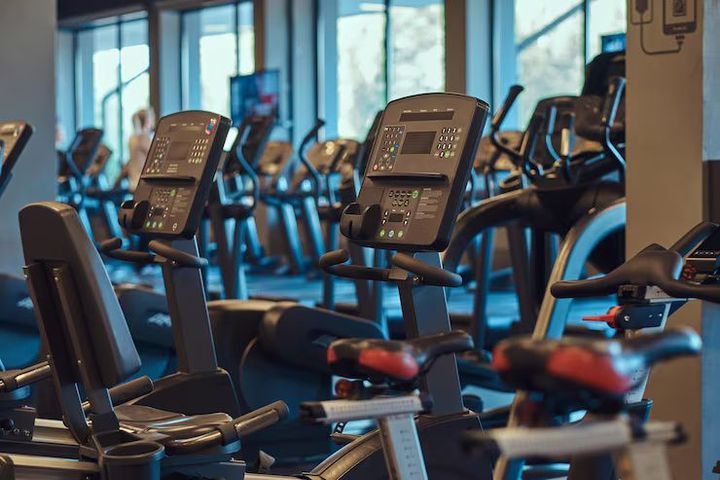
Gym equipment manufacturing is the process of designing, engineering, testing, and producing fitness machines and exercise tools. These products include treadmills, exercise bikes, rowing machines, weight benches, strength-training systems, resistance equipment, and various accessories used for physical fitness.
The industry exists because people need reliable equipment to support exercise, athletic training, rehabilitation, and overall health improvement. As awareness of fitness and wellness has increased worldwide, the demand for durable and safe exercise equipment has grown significantly.
Manufacturers combine mechanical engineering, industrial design, electronics, and material science to create equipment capable of handling repeated use while maintaining safety and performance standards.
Modern gym equipment is developed through multiple stages, including:
- Product design and engineering
- Material selection
- Prototype development
- Testing and quality inspection
- Mass production
- Packaging and distribution
The manufacturing process focuses on durability, user comfort, structural stability, and long-term performance.
Common Types of Gym Equipment
| Equipment Category | Examples |
|---|---|
| Cardio Equipment | Treadmills, exercise bikes, ellipticals |
| Strength Equipment | Weight machines, cable systems |
| Free Weight Equipment | Dumbbells, barbells, kettlebells |
| Functional Training Equipment | Resistance bands, suspension trainers |
| Rehabilitation Equipment | Therapy machines and mobility tools |
Primary Materials Used
| Material | Purpose |
|---|---|
| Steel | Structural frames and support systems |
| Aluminum | Lightweight components |
| Rubber | Handles, grips, flooring protection |
| Plastic Polymers | Covers and protective housings |
| Foam | Padding and comfort surfaces |
| Electronics | Displays, sensors, monitoring systems |
These materials are selected based on strength, durability, corrosion resistance, and user safety.
Why Gym Equipment Manufacturing Matters Today
The gym equipment manufacturing industry plays an important role in supporting health and fitness activities around the world.
As sedentary lifestyles become more common, exercise equipment helps individuals maintain physical activity in homes, fitness centers, schools, hospitals, and community facilities.
Benefits for Society
Gym equipment contributes to:
- Physical fitness improvement
- Rehabilitation and recovery programs
- Athletic performance development
- Healthy aging initiatives
- Wellness-focused lifestyles
The industry also supports innovation in exercise technology, making workouts more accessible and measurable through digital tracking and smart features.
Who Is Affected?
Several groups benefit from gym equipment manufacturing:
- Fitness enthusiasts
- Professional athletes
- Rehabilitation patients
- Educational institutions
- Healthcare organizations
- Sports training centers
Problems It Helps Address
Modern gym equipment helps address challenges such as:
- Physical inactivity
- Limited access to outdoor exercise
- Rehabilitation support needs
- Strength and mobility maintenance
- Personalized fitness monitoring
As fitness awareness continues to increase globally, equipment manufacturers play a key role in supporting healthier lifestyles.
Materials and Manufacturing Processes Explained
Creating gym equipment requires a combination of traditional manufacturing techniques and advanced production technologies.
Design and Engineering
The process begins with computer-aided design software, where engineers create detailed digital models.
Design teams evaluate:
- Structural strength
- User ergonomics
- Weight capacity
- Safety requirements
- Manufacturing feasibility
Metal Fabrication
Most gym equipment frames are made from steel tubing.
Common fabrication methods include:
- Laser cutting
- CNC machining
- Tube bending
- Drilling
- Welding
These techniques help create precise and durable structural components.
Surface Treatment
After fabrication, metal components undergo protective treatments such as:
- Powder coating
- Anti-corrosion finishing
- Surface polishing
These treatments improve durability and appearance.
Assembly Process
Multiple components are assembled together, including:
- Frames
- Bearings
- Pulleys
- Electronic systems
- Upholstery sections
Each assembly stage follows quality control procedures.
Testing and Inspection
Before reaching users, equipment undergoes:
- Load testing
- Stability testing
- Durability assessments
- Safety inspections
Testing helps ensure products perform consistently under regular use.
Simplified Manufacturing Workflow
Design → Material Selection → Fabrication → Surface Finishing → Assembly → Testing → Packaging
Recent Updates and Industry Trends
The gym equipment manufacturing sector has experienced significant developments during 2025 and early 2026.
Smart Fitness Technology Expansion
Throughout 2025, manufacturers continued integrating advanced digital features into fitness equipment.
Common innovations include:
- Performance tracking systems
- Connected workout monitoring
- Real-time exercise analytics
- Mobile application compatibility
These technologies allow users to monitor progress more effectively.
Sustainability Initiatives
During 2025, environmental sustainability became a major focus across manufacturing industries, including fitness equipment production.
Manufacturers increasingly explored:
- Recyclable materials
- Energy-efficient production methods
- Reduced packaging waste
- Longer product life cycles
Growth of Home Fitness Equipment
Although commercial fitness facilities remain important, home exercise equipment continued to evolve throughout 2025 and 2026.
Key developments include:
- Space-saving designs
- Foldable equipment systems
- Multi-functional exercise stations
- Improved durability for residential use
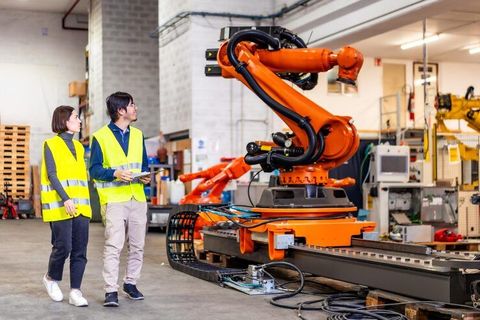
Automation in Manufacturing
Recent manufacturing facilities have expanded the use of:
- Robotic welding systems
- Automated quality inspection
- Digital production monitoring
- Smart factory technologies
These advancements improve consistency and production efficiency.
Industry Trend Overview
| Trend | Impact |
|---|---|
| Smart Equipment | Enhanced workout tracking |
| Sustainability | Reduced environmental impact |
| Automation | Improved manufacturing precision |
| Home Fitness Growth | Increased accessibility |
| Data Integration | Better performance analysis |
Laws, Regulations, and Industry Policies
Gym equipment manufacturing is influenced by various regulations designed to protect users and maintain product quality.
Requirements vary by country, but most focus on safety, manufacturing standards, and consumer protection.
Product Safety Standards
Manufacturers generally follow standards related to:
- Structural stability
- Load-bearing capacity
- User safety
- Mechanical reliability
Compliance helps reduce risks associated with equipment failure.
Material Safety Requirements
Regulations may address:
- Chemical composition
- Hazardous substance limitations
- Environmental compliance
- Workplace safety standards
These rules help ensure materials meet health and environmental expectations.
Workplace Manufacturing Regulations
Factories typically operate under guidelines covering:
- Employee safety
- Machinery operation
- Hazard prevention
- Industrial training
These policies help maintain safe production environments.
Environmental Policies
Many countries encourage manufacturers to:
- Reduce industrial emissions
- Improve energy efficiency
- Manage waste responsibly
- Increase material recycling
Environmental compliance has become increasingly important in modern manufacturing.
Quality Management Frameworks
Manufacturers often adopt recognized quality management systems that support:
- Consistent production
- Documentation procedures
- Product traceability
- Continuous improvement
These frameworks help maintain reliability across manufacturing operations.
Helpful Tools and Resources
Various tools and resources support gym equipment design, production, testing, and learning.
Design and Engineering Tools
Useful categories include:
- Computer-aided design software
- 3D modeling platforms
- Engineering simulation programs
- Structural analysis tools
Manufacturing Resources
Common resources include:
- Production planning templates
- Quality inspection checklists
- Material specification databases
- Manufacturing workflow systems
Calculation and Measurement Tools
Frequently used tools include:
- Load capacity calculators
- Material strength calculators
- Production efficiency trackers
- Weight distribution analysis tools
Learning Resources
Educational resources often include:
- Engineering guides
- Manufacturing handbooks
- Safety documentation
- Technical training materials
- Industry research publications
Quality Management Resources
Organizations commonly use:
- Audit templates
- Inspection forms
- Compliance checklists
- Process improvement frameworks
These resources help improve manufacturing consistency and product quality.
Frequently Asked Questions
What materials are most commonly used in gym equipment manufacturing?
Steel is the most widely used material because of its strength and durability. Other common materials include aluminum, rubber, foam, plastics, and electronic components.
How long does it take to manufacture gym equipment?
Production timelines vary depending on complexity, design requirements, and manufacturing capacity. Some components can be produced quickly, while larger systems require multiple production stages.
Why is testing important in gym equipment manufacturing?
Testing helps verify safety, stability, durability, and performance. It ensures equipment can withstand repeated use under expected operating conditions.
What role does technology play in modern gym equipment?
Technology supports performance tracking, workout monitoring, user feedback systems, digital displays, and connected fitness experiences.
Are environmental considerations becoming more important?
Yes. Sustainability has become a significant focus in recent years, with manufacturers exploring recyclable materials, efficient production methods, and reduced waste practices.
Conclusion
Gym equipment manufacturing is a specialized industry that combines engineering, material science, design, and production technology to create equipment used for exercise, rehabilitation, and athletic training. From steel fabrication and assembly to quality testing and digital integration, every stage contributes to producing safe and durable fitness equipment.