Fleet Management Software and Devices: Transforming Modern Logistics Operations
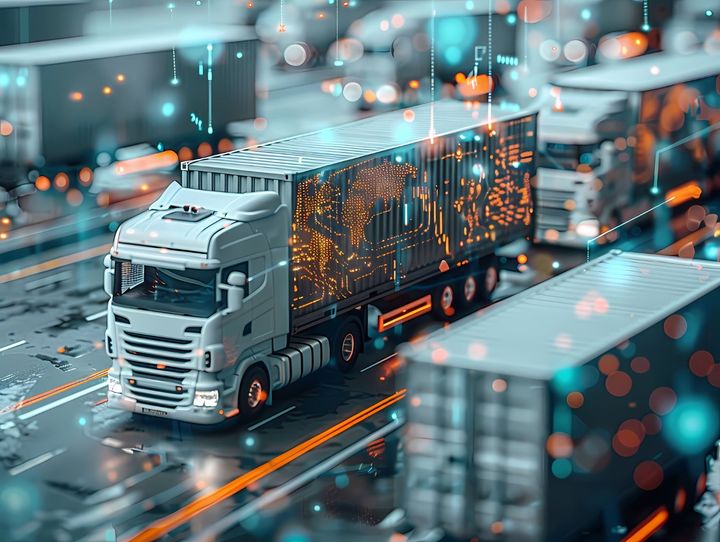
Fleet management software and connected devices are digital systems designed to monitor, manage, and optimize vehicle fleets used in logistics, transportation, and distribution operations. These platforms combine software applications with hardware such as GPS trackers, telematics units, and onboard sensors to collect operational data in real time.
Understanding Fleet Management Software and Devices
The primary purpose of fleet management software is to centralize vehicle-related information. This includes location tracking, fuel usage, driver behavior, maintenance schedules, and compliance data. Logistics software and truck management systems emerged as logistics networks expanded, fleets grew larger, and manual tracking became inefficient.
With the rise of data-driven logistics management software, organizations can now use digital insights instead of paper-based records to understand fleet performance, reduce operational uncertainty, and improve coordination across supply chains.
Importance: Why Fleet Management Matters Today
Fleet management software plays a critical role in modern logistics operations, especially as transportation networks become more complex and regulated.
Who it affects
-
Logistics companies operating regional or national fleets
-
Transport planners and operations managers
-
Drivers and dispatch coordinators
-
Regulatory and compliance teams
Problems it helps address
-
Limited visibility into vehicle movement
-
Inefficient fuel and route planning
-
Difficulty tracking maintenance and inspections
-
Challenges meeting safety and compliance requirements
Small fleet management software is particularly important for operators managing limited numbers of vehicles, where even minor inefficiencies can significantly affect daily operations. Truck management software helps standardize processes across fleets of all sizes, enabling consistent data collection and reporting.
Types of Fleet Management Software and Systems
Fleet management software development has resulted in multiple system types, each focused on specific operational needs.
GPS-Based Fleet Tracking Systems
These systems focus on real-time vehicle location and route history using satellite positioning.
Telematics and IoT Fleet Platforms
Telematics-based logistics software solutions combine vehicle sensors, engine diagnostics, and wireless communication.
Truck Management Software
Designed specifically for heavy-duty vehicles, focusing on load management, compliance records, and trip logging.
Logistics Management Software
Broader platforms that integrate fleet data with warehouse, inventory, and delivery planning systems.
Small Fleet Management Software
Simplified platforms tailored for fleets with fewer vehicles, emphasizing usability and essential tracking features.
Comparison of Common Fleet Management System Types
| System Type | Primary Focus | Typical Use Case |
|---|---|---|
| GPS Tracking Software | Location visibility | Route monitoring |
| Telematics Platforms | Vehicle diagnostics | Performance analysis |
| Truck Management System | Compliance & trips | Long-haul transport |
| Logistics Software | End-to-end logistics | Multi-stage delivery |
| Small Fleet Software | Core fleet insights | Local distribution |
Benefits and Applications Across Logistics Operations
Fleet management software provides measurable operational advantages when applied consistently.
Key benefits
-
Improved visibility into vehicle movement
-
Structured maintenance planning
-
Enhanced driver safety monitoring
-
Centralized data reporting
-
Better coordination between dispatch and drivers
Practical applications
-
Route planning and optimization
-
Preventive maintenance scheduling
-
Fuel usage analysis
-
Regulatory reporting support
-
Incident and event tracking
Logistics software solutions allow decision-makers to analyze trends rather than rely on assumptions, supporting long-term planning and risk management.
Top 5 Leading Fleet Management Software Providers
The following companies are widely recognized for fleet management software and logistics platforms based on industry adoption and technology focus.
-
Trimble – Known for advanced logistics management software and telematics solutions
-
Verizon Connect – Provides GPS tracking and fleet analytics platforms
-
Geotab – Focuses on scalable telematics and data-driven fleet insights
-
Omnitracs – Specializes in truck management systems and compliance tools
-
Samsara – Offers integrated fleet management software and IoT devices
Company capabilities may vary by region and deployment model.
Recent Updates and Industry Trends
Over the past year, fleet management software development has reflected broader digital transformation trends.
Key updates (2025–2026)
-
March 2025: Increased integration of AI-based route optimization tools
-
July 2025: Expansion of EV-focused fleet tracking modules
-
October 2025: Enhanced data security standards across logistics software solutions
-
January 2026: Greater adoption of cloud-native truck management systems
Sustainability reporting, predictive maintenance, and cross-platform integrations remain central development priorities.
Laws and Policies Affecting Fleet Management Software
Fleet management systems are closely linked to regulatory compliance in many countries.
Common regulatory areas
-
Vehicle safety inspections
-
Driver working hour records
-
Emissions monitoring
-
Data privacy and cybersecurity
In India, logistics management software must align with:
-
Motor Vehicles Act requirements
-
AIS-140 GPS tracking standards
-
Data protection guidelines under national IT regulations
Similar frameworks exist in the EU and North America, where electronic logging and telematics data retention are regulated.
Tools and Resources for Fleet Management
Several digital tools and resources support effective fleet operations.
Helpful resources
-
Fleet performance dashboards
-
Fuel efficiency calculators
-
Vehicle maintenance templates
-
Compliance reporting tools
-
Industry research portals
Common platforms and references
-
Telematics data visualization tools
-
Logistics software knowledge bases
-
Government transport portals
-
Industry benchmarking reports
Disclaimer: Any references to pricing, packages, or system scope are informational estimates only and may vary based on configuration, region, and regulatory requirements.
Frequently Asked Questions (FAQs)
What is fleet management software used for?
Fleet management software is used to monitor vehicles, manage maintenance, track performance, and support logistics planning through centralized digital systems.
How does small fleet management software differ from enterprise systems?
Small fleet management software focuses on essential features and simplified interfaces, while enterprise platforms support large-scale data integration.
What devices are used with fleet management software?
Common devices include GPS trackers, telematics units, engine sensors, and driver identification modules.
Is fleet management software only for trucks?
No. While truck management systems are common, fleet management software also supports vans, cars, and specialized vehicles.
How does logistics software support compliance?
Logistics management software helps maintain records for inspections, driver hours, emissions, and regulatory reporting.
Conclusion
Fleet management software and devices have become foundational components of modern logistics operations. By combining vehicle data, analytics, and logistics software solutions, organizations gain clearer visibility into fleet performance and operational risks.
As regulatory requirements, sustainability goals, and digital transformation continue to evolve, fleet management software development remains focused on accuracy, security, and scalability. From small fleet management software to advanced truck management systems, these platforms support informed decision-making across the logistics ecosystem.
When implemented thoughtfully, fleet management systems contribute to safer operations, better coordination, and more resilient logistics networks.