Jump to a Chapter

Fire Alarm Systems Explained: Explore Detection Technology, Building Safety, Facts, Knowledge, and Helpful Resources

Fire Alarm Systems Explained: Explore Detection Technology, Building Safety, Facts, Knowledge, and Helpful Resources

Fire alarm systems are safety technologies designed to detect signs of fire and provide early warning to building occupants. These systems play a critical role in reducing risks associated with smoke, heat, and fire-related emergencies.


The concept of fire detection has evolved significantly over time. Early warning methods relied on human observation and manual alarms. Modern fire alarm systems use advanced sensors, communication networks, and automated monitoring capabilities to identify potential fire hazards quickly and accurately.

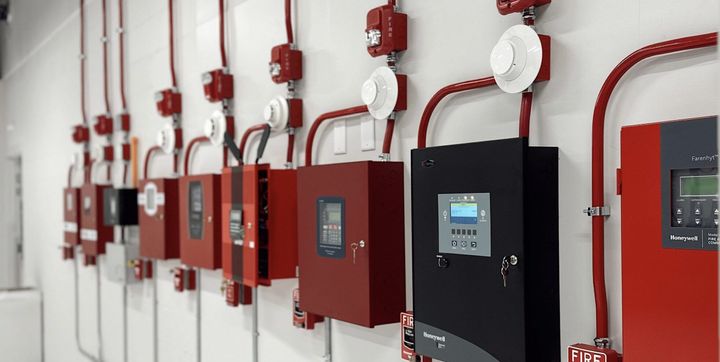
A typical fire alarm system consists of several interconnected components:

  • Smoke detectors
  • Heat detectors
  • Manual call points
  • Alarm notification devices
  • Fire alarm control panels
  • Communication interfaces

The primary objective is simple: detect danger as early as possible and notify occupants so they can respond safely.

Common Types of Fire Detection Technology

Detection TechnologyPrimary FunctionTypical Application
Smoke DetectorsDetect smoke particlesOffices, homes, schools
Heat DetectorsDetect temperature riseIndustrial facilities
Flame DetectorsDetect flame radiationManufacturing environments
Multi-Sensor DetectorsCombine multiple detection methodsLarge commercial buildings
Aspirating Detection SystemsSample air continuouslyData centers and critical infrastructure

Advancements in fire detection technology continue to improve reliability while reducing false alarms.

Why Fire Alarm Systems Matter

Fire incidents can spread rapidly, especially in densely occupied buildings. Early detection often provides valuable time for evacuation and emergency response.

Fire alarm systems are important because they:

  • Improve occupant safety
  • Support emergency evacuation procedures
  • Help protect critical infrastructure
  • Reduce property damage risks
  • Assist emergency responders with situational awareness
  • Support compliance with safety regulations

These systems affect a wide range of environments, including residential buildings, educational institutions, healthcare facilities, industrial sites, hospitality venues, and commercial properties.

As urban development and building complexity increase, integrated building safety systems have become an essential part of modern infrastructure planning.

Building Safety and Risk Management

Modern building safety strategies often combine multiple technologies:

  • Fire alarm systems
  • Emergency lighting
  • Fire suppression systems
  • Access control systems
  • Building management systems
  • Emergency communication platforms

The integration of these technologies creates a coordinated response framework that enhances overall safety preparedness.

Fire Alarm System Adoption by Building Type

Building TypeTypical Usage Level
HospitalsVery High
SchoolsHigh
Commercial OfficesHigh
Residential ComplexesModerate to High
Industrial FacilitiesHigh
WarehousesModerate

The trend toward smart building safety solutions continues to influence how fire protection technologies are implemented.

Recent Developments and Industry Trends

The fire safety industry has experienced several notable developments during 2025 and early 2026.

One significant trend is the growing adoption of intelligent fire detection systems powered by artificial intelligence and advanced analytics. These systems can analyze environmental conditions and distinguish between actual fire events and non-emergency situations.

Another important development is increased integration with cloud-based monitoring platforms. Facility managers can now receive alerts, system diagnostics, and maintenance information through centralized dashboards.

Key trends observed during 2025–2026 include:

  • Expansion of AI-assisted fire detection
  • Greater use of wireless fire alarm technologies
  • Increased focus on cybersecurity for connected safety systems
  • Wider deployment of remote monitoring capabilities
  • Enhanced interoperability between building safety platforms

Data centers, healthcare facilities, transportation hubs, and large commercial buildings have shown particularly strong interest in advanced fire detection technology.

Industry organizations have also emphasized resilience planning, highlighting the importance of reliable emergency communication systems and regular testing procedures.

Emerging Technologies in Fire Detection


Traditional Detection

Smart Sensors

Connected Monitoring

AI-Based Analysis

Integrated Building Safety Platforms


This progression demonstrates how fire protection solutions continue evolving alongside broader digital infrastructure trends.

Fire Safety Regulations and Compliance

Fire alarm systems are closely linked to building regulations, safety standards, and compliance requirements.

Most countries maintain building codes that establish minimum requirements for fire detection, notification, inspection, and maintenance. These regulations are typically developed through collaboration among government agencies, fire authorities, engineering organizations, and safety experts.

Common regulatory areas include:

  • Detector placement requirements
  • Alarm audibility standards
  • Inspection schedules
  • Maintenance procedures
  • Emergency evacuation planning
  • Occupancy-specific safety measures

Commercial buildings, healthcare facilities, educational institutions, and industrial sites often face more comprehensive compliance obligations due to occupancy levels and operational risks.

Government safety programs frequently promote:

  • Fire prevention education
  • Building inspections
  • Emergency preparedness planning
  • Public awareness initiatives
  • Infrastructure safety improvements

Because regulations vary by jurisdiction, building owners and facility managers typically consult local building authorities and applicable fire safety codes to ensure compliance.

Fire Alarm Testing and Maintenance Requirements

Regular maintenance is generally considered an essential component of fire protection management.

Typical activities include:

  • Detector inspections
  • Battery verification
  • Control panel testing
  • Communication pathway checks
  • Notification device testing
  • Documentation updates

Consistent maintenance helps ensure systems remain operational when needed.

Helpful Tools and Resources

Several digital resources can support learning, planning, and management related to fire alarm systems and building safety.

Useful categories include:

Fire Safety Standards Resources

  • National fire code publications
  • Building safety standards databases
  • Fire protection engineering references
  • Emergency planning guidelines

Building Safety Software

  • Fire alarm management platforms
  • Inspection tracking tools
  • Maintenance scheduling applications
  • Incident reporting systems

Mobile Applications

  • Emergency preparedness apps
  • Building inspection tools
  • Facility management applications
  • Safety checklist platforms

Educational Resources

  • Fire protection engineering materials
  • Building safety training courses
  • Risk assessment guides
  • Technical documentation libraries

Planning Templates

  • Emergency evacuation plans
  • Fire drill documentation
  • Inspection checklists
  • Maintenance records
  • Incident reporting forms

These resources can help organizations improve understanding of fire safety requirements and operational readiness.

Fire Alarm System Comparison Overview

FeatureConventional SystemsAddressable Systems
Detection Location AccuracyZone-BasedDevice-Specific
ScalabilityModerateHigh
Diagnostic InformationLimitedAdvanced
Monitoring CapabilityBasicComprehensive
Integration OptionsModerateExtensive

Both approaches remain widely used depending on building size, complexity, and operational requirements.

Frequently Asked Questions

What is the main purpose of a fire alarm system?

The primary purpose is to detect potential fire conditions and alert building occupants as early as possible. Early warning supports evacuation and emergency response efforts.

How do smoke detectors identify fire hazards?

Smoke detectors use sensing technologies that detect airborne particles associated with combustion. When smoke reaches predefined thresholds, the alarm system activates.

Are fire alarm systems only used in commercial buildings?

No. Fire alarm systems are used in residential, commercial, institutional, industrial, and public facilities. Requirements often depend on occupancy type and local regulations.

How often should fire alarm systems be inspected?

Inspection schedules vary according to local regulations, building type, and applicable safety standards. Regular testing and maintenance are generally recommended to ensure reliability.

What is the difference between a conventional and an addressable fire alarm system?

Conventional systems identify alarms by zones, while addressable systems can identify the specific device that triggered the alarm, providing more detailed information for emergency response.

Can fire alarm systems be connected to other building technologies?

Yes. Many modern systems integrate with building management systems, emergency communication platforms, access control systems, and other safety technologies.

Conclusion

Fire alarm systems remain one of the most important components of modern building safety infrastructure. By providing early detection and timely notification, they help protect occupants, support emergency response efforts, and contribute to broader risk management strategies.

Advances in fire detection technology, including intelligent sensors, wireless connectivity, cloud monitoring, and AI-assisted analysis, continue to improve system capabilities. At the same time, evolving regulations and safety standards encourage organizations to maintain effective fire protection practices.

Understanding how fire alarm systems work, the technologies involved, applicable compliance requirements, and available educational resources can help stakeholders make informed decisions regarding building safety and emergency preparedness. As buildings become more connected and technologically advanced, fire alarm systems will continue to play a central role in protecting people and critical infrastructure.

author-image

Harshit Sharma

We are a performance-driven media buying team focused on scaling brands through smart, data-backed advertising strategies

June 06, 2026 . 12 min read