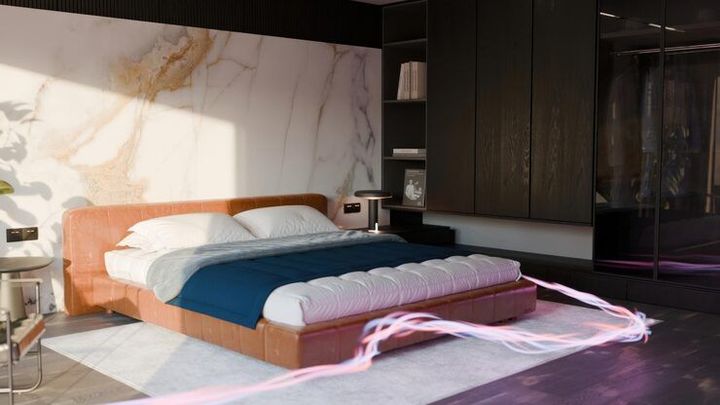
Exploring Modern Boxspring Mattresses With Comfort Design and Sleep Insights
Modern boxspring mattresses are sleep systems designed to combine mattress support, structural stability, and enhanced sleeping comfort within an integrated bed foundation arrangement. Traditionally, a boxspring consists of a supportive base placed beneath a mattress to improve weight distribution, reduce movement stress, and enhance overall sleep support. Modern designs now incorporate updated materials, layered comfort systems, and advanced support structures intended to improve durability and sleeping experience.
Globally, sleep wellness and comfort-focused home products continue receiving greater attention as people increasingly recognize the connection between sleep quality and overall well being. According to global wellness and home furnishing research, consumers are prioritizing sleep support, ergonomic comfort, and mattress durability when evaluating bedroom furniture and sleep products. This reflects the broader trend toward wellness-focused lifestyle choices and home comfort investments.
In practical applications, modern boxspring mattresses are commonly used in homes, hospitality environments, wellness accommodations, and residential interior designs focused on comfort and long-term support. Different mattress constructions and support layers influence pressure distribution, spinal alignment, temperature regulation, and movement absorption during sleep. Understanding how boxspring mattresses function and support sleep comfort helps individuals compare designs more effectively and select sleep systems suited to their personal preferences.
Who It Affects & Problems It Solves
Modern boxspring mattresses affect a wide global audience, including homeowners, apartment residents, hospitality environments, families, wellness-focused consumers, and individuals seeking improved sleep support. Interior designers, furniture manufacturers, and sleep wellness professionals also play important roles in shaping mattress comfort trends and ergonomic design preferences.
Without supportive sleep systems, individuals may experience discomfort, interrupted sleep patterns, reduced pressure support, and lower mattress durability over time. Inconsistent mattress support may also contribute to poor sleeping posture and reduced sleep quality. Modern boxspring mattresses help solve these challenges by providing balanced support structures and layered comfort systems designed to improve overall sleep experience.
A common scenario involves individuals using aging mattresses with weakened support layers and uneven pressure distribution. Over time, this may reduce sleeping comfort and affect nightly recovery quality. Modern boxspring systems improve structural stability and sleeping support by combining supportive foundations with updated comfort materials. These practical advantages naturally lead into recent developments shaping mattress technology and sleep wellness trends.
Recent Updates
Over the past year, modern boxspring mattresses have evolved significantly through improved ergonomic engineering and material innovation. Manufacturers are increasingly using layered foam systems, pocket spring technology, and breathable fabrics to improve comfort consistency and sleeping support.
Another important trend is the growing emphasis on sleep wellness and pressure relief. Industry data suggests that consumers are prioritizing mattresses designed to support spinal alignment, motion isolation, and temperature management as part of healthier sleep environments.
Sustainable and environmentally conscious mattress materials have also become more common. Recyclable fabrics, natural fibers, and lower-emission production methods are increasingly being incorporated into modern mattress manufacturing processes.
Additionally, customizable mattress systems and modular sleep arrangements continue gaining popularity. Adjustable support zones, removable comfort layers, and personalized firmness configurations are becoming more widely available within modern sleep product environments. These developments provide useful context for comparing common boxspring mattress features and comfort characteristics.
Comparison Table
The table below compares common modern boxspring mattress features based on comfort design and sleep support considerations.
| Mattress Feature | Main Purpose | Comfort Impact | Support Level | Sleep Benefit |
|---|---|---|---|---|
| Pocket Spring Systems | Independent movement support | Reduced motion transfer | High | Better sleep stability |
| Memory Foam Layers | Pressure distribution | Soft body contouring | Moderate to high | Improved comfort |
| Hybrid Construction | Combined support systems | Balanced feel | High | Versatile sleep support |
| Breathable Fabrics | Air circulation | Cooler sleeping surface | Moderate | Improved temperature regulation |
| Reinforced Boxspring Base | Structural stability | Enhanced mattress durability | High | Longer lifespan |
| Adjustable Support Zones | Targeted body support | Customized comfort | High | Better pressure relief |
| Edge Support Systems | Stable mattress edges | Increased usable space | Moderate | Improved mattress stability |
| Plush Comfort Layers | Soft surface feel | Enhanced relaxation | Moderate | Increased sleeping comfort |
| Firm Support Designs | Structured body support | Reduced sinking sensation | High | Improved posture support |
| Noise Reduction Construction | Reduced movement sound | Quieter sleep environment | Moderate | Better sleep continuity |
The comparison shows that different mattress features support different comfort preferences, sleeping styles, and support requirements. Combining support structure, pressure relief, and temperature management often helps improve overall sleep quality. Understanding these distinctions naturally leads into practical guidance and mattress selection considerations.
Regulations & Practical Guidance
In many countries, mattress manufacturing and furniture industries are encouraged to follow product safety, material quality, and durability standards. These practices generally focus on structural reliability, material safety, and product transparency within bedding and sleep product environments.
Globally, consumers are increasingly prioritizing ergonomic support and sleep wellness when selecting mattress systems. Sleep comfort decisions often involve evaluating firmness preferences, sleeping posture support, room environment, and long-term durability considerations.
Another important consideration is mattress maintenance and replacement timing. Even high-quality sleep systems may gradually lose support consistency over extended periods of use. Rotating mattresses regularly and maintaining supportive bed foundations may help improve long-term comfort and durability.
Which Option Suits Your Situation?
For individuals seeking softer pressure relief and body contouring support, memory foam and plush comfort layer systems may provide enhanced sleeping comfort and relaxation.
For sleepers who prioritize balanced support and movement stability, hybrid mattresses and pocket spring systems may support improved sleep continuity and reduced motion transfer.
For individuals preferring structured sleeping surfaces and firmer support, reinforced boxspring bases and firm support designs may help improve posture support and mattress durability.
For people interested in personalized comfort configurations, adjustable support systems and modular mattress designs may provide greater flexibility and customized sleep experiences. Choosing the right sleep system depends on comfort preferences, sleeping posture, and long-term wellness goals. These considerations naturally lead into useful tools and resources.
Tools & Resources
Several tools and resources can help individuals better understand mattress comfort and sleep support considerations.
Mattress Comparison Platforms — help evaluate support systems, materials, and comfort characteristics.
Sleep Wellness Guides — provide information about healthy sleep habits and bedroom environments.
Room Temperature Monitoring Tools — support improved sleep environment management.
Furniture Measurement Applications — assist with room planning and mattress sizing decisions.
Product Care Resources — explain mattress maintenance and durability recommendations.
Sleep Community Forums — enable individuals to exchange comfort insights and mattress experiences.
These resources support informed sleep product decisions and healthier rest routines, leading naturally into frequently asked questions.
Frequently Asked Questions
What is a boxspring mattress system?
A boxspring mattress system combines a supportive foundation with a mattress to improve structural stability, sleeping support, and overall comfort performance.
Why are modern boxspring mattresses popular?
Many consumers value modern boxspring mattresses for their comfort design, support systems, durability, and ability to improve overall sleep experience.
What features affect mattress comfort most?
Support structure, pressure relief layers, firmness level, temperature regulation, and motion isolation commonly influence mattress comfort and sleep quality.
What is a common misconception about mattress firmness?
A common misconception is that firmer mattresses are always better. In reality, comfort preferences and support needs vary depending on sleeping style and body support requirements.
How can individuals choose the right mattress?
Individuals often benefit from comparing support features, evaluating sleeping posture needs, considering room conditions, and selecting comfort levels suited to personal preferences.
Conclusion
Modern boxspring mattresses play an important role in supporting sleep comfort, structural stability, and long-term wellness within modern home and hospitality environments. Their combination of support systems and comfort-focused design helps improve sleep quality and nightly recovery experiences.
For most individuals, selecting the right mattress involves balancing firmness preferences, pressure support, durability, and temperature management considerations. Careful comparison of mattress features often contributes to stronger long-term comfort and sleep satisfaction.
As sleep wellness and ergonomic home design continue evolving globally, modern boxspring mattresses are expected to become more customizable, supportive, and integrated with advanced comfort technologies and sustainable material innovations.