Exploring Gas Turbine Trends: Basics, Technology Developments, and Practical Knowledge
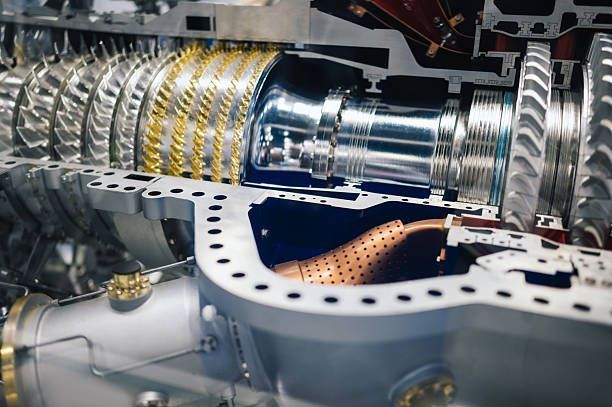
Gas turbines are mechanical systems designed to convert thermal energy from fuel combustion into rotational energy and usable power. They operate by drawing in air, compressing it, mixing it with fuel, and igniting the mixture to produce high-temperature gases that spin turbine blades. This motion drives generators, compressors, or mechanical equipment.
The technology exists to support reliable power generation, industrial processes, aviation propulsion, and energy system stability. Gas turbines are valued for their high power density, fast startup capability, and adaptability across multiple applications. Over time, they have evolved to meet increasing efficiency, operational flexibility, and environmental performance expectations.
Modern gas turbines are no longer limited to simple power generation. They now play a role in hybrid energy systems, grid balancing, and advanced thermal cycles, making them a foundational component of contemporary energy infrastructure.
Importance: Why Gas Turbines Matter Today
Gas turbines remain relevant due to their ability to respond quickly to changing energy demand and integrate with diverse power systems. As electricity networks incorporate variable renewable sources, flexible generation technologies are increasingly important.
Key groups affected by gas turbine technology include:
-
Power system planners and grid operators
-
Industrial facility operators
-
Infrastructure developers
-
Environmental regulators
-
Energy technology researchers
The problems gas turbines help address include:
-
Grid stability during demand fluctuations
-
Reliable power in remote or high-load environments
-
Efficient conversion of fuel into usable energy
-
Transitional support in lower-emission energy pathways
Compared with many legacy systems, gas turbines can reach higher thermal efficiency, particularly when used in combined cycle power plant configurations. Their modular design also allows scalability across small distributed units and large utility-scale installations.
Recent Updates: Technology and Industry Developments
Over the past year, gas turbine development has focused on efficiency gains, fuel flexibility, and digital optimization.
Hydrogen-capable turbine designs (2025)
Manufacturers have continued testing turbines capable of operating on higher hydrogen blends. These developments aim to reduce carbon intensity while maintaining operational reliability. Research emphasizes combustion stability and materials compatibility.
Advanced materials and cooling systems
Improved ceramic matrix composites and thermal barrier coatings are being applied to turbine blades. These materials allow higher firing temperatures, which directly improve gas turbine efficiency and output.
Digital monitoring and predictive analytics
Artificial intelligence and machine learning tools are now widely used for turbine condition monitoring. Digital twins simulate turbine behavior, helping operators detect performance degradation earlier and reduce unplanned downtime.
Growth of flexible and fast-start turbines
Recent designs emphasize rapid ramp-up and ramp-down capability. This trend supports grid balancing where intermittent energy sources create variability in supply.
Laws or Policies: Regulatory and Framework Considerations
Gas turbine deployment is influenced by environmental standards, energy transition frameworks, and international technical guidelines rather than a single unified regulation.
Common policy areas affecting gas turbines include:
-
Emission performance thresholds for nitrogen oxides and carbon output
-
Efficiency benchmarks for thermal power systems
-
Safety standards for high-pressure and high-temperature machinery
-
Fuel flexibility and alternative fuel research programs
International engineering bodies publish design and safety standards that guide turbine manufacturing and operation. Environmental reporting frameworks also require transparent measurement of fuel usage and emission intensity.
In many regions, policy frameworks encourage improved efficiency and lower-emission operation without mandating a specific technology, allowing gas turbines to evolve through innovation rather than replacement.
Tools and Resources: Practical Knowledge Support
Several tools and resources support understanding, analysis, and optimization of gas turbine systems.
Simulation and modeling tools
-
Thermodynamic cycle simulators for gas turbine performance analysis
-
Combined cycle modeling software for efficiency comparison
Monitoring and diagnostics platforms
-
Digital twin systems for operational forecasting
-
Sensor-based condition monitoring dashboards
Technical references
-
Open engineering handbooks on turbine thermodynamics
-
Peer-reviewed journals covering combustion and materials science
Data and benchmarking resources
-
Public efficiency and performance datasets
-
Emission factor calculation references
Gas Turbine Performance Overview (Table)
| Parameter | Simple Cycle Turbine | Combined Cycle Turbine |
|---|---|---|
| Thermal Efficiency | Moderate | High |
| Startup Time | Very fast | Fast |
| System Complexity | Lower | Higher |
| Typical Applications | Peaking power, industry | Base and mid-load power |
| Fuel Flexibility | High | High |
Efficiency Trend Illustration (Textual Graph)
Thermal efficiency improvement trend (conceptual):
-
Early designs
-
Improved materials era
-
Advanced cooling systems
-
Combined cycle integration
This progression highlights how design improvements and system integration contribute to higher overall efficiency.
FAQs: Common Questions About Gas Turbines
What is a gas turbine used for?
Gas turbines are used for electricity generation, mechanical drive applications, and aircraft propulsion. They are especially valued for fast response and high power output.
How does a combined cycle power plant improve efficiency?
It captures waste heat from the gas turbine exhaust to produce additional power through a steam cycle, increasing total energy utilization.
Are gas turbines compatible with alternative fuels?
Modern designs support a range of fuels, including blends with hydrogen and synthetic fuels, depending on system configuration.
What determines gas turbine efficiency?
Key factors include firing temperature, pressure ratio, blade materials, cooling methods, and cycle design.
How long can a gas turbine operate?
Operational lifespan depends on maintenance practices, operating conditions, and material quality. Regular inspection and monitoring are essential.
Conclusion: Practical Perspective on Gas Turbine Trends
Gas turbines continue to adapt to changing energy needs through technological advancement rather than obsolescence. Their role has expanded beyond traditional power generation into grid stabilization, hybrid systems, and advanced thermal applications.
Ongoing improvements in efficiency, materials, digital monitoring, and fuel adaptability reinforce their relevance in modern energy systems. From a practical standpoint, gas turbines represent a balance between proven engineering and continuous innovation, supporting reliability while responding to evolving environmental and operational expectations.