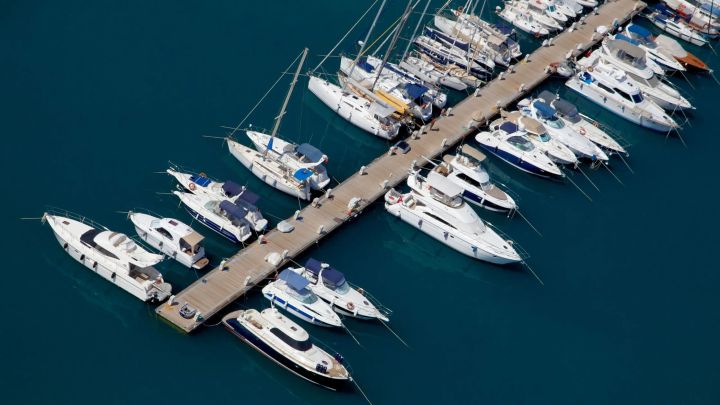
Explore Yacht Rental Planning: Complete Guide, Basics, and Key Facts
Yacht rental planning refers to the structured process of preparing for the temporary use of a yacht for leisure, travel, or events on water. It exists to help individuals and groups navigate choices around vessel types, routes, timing, safety expectations, and documentation without confusion. Unlike casual boating, yachts involve larger vessels, professional crews, navigation rules, and environmental responsibilities, which makes planning essential.
At its core, yacht rental planning brings clarity to complex variables. These include weather patterns, maritime rules, onboard amenities, passenger limits, and itinerary feasibility. A planned approach helps align expectations with real-world conditions, ensuring that time on the water is organized, compliant, and predictable.
Why Yacht Rental Planning Matters Today
Interest in marine recreation has broadened in recent years, with more people exploring coastal and open-water experiences. Yacht rental planning matters because it affects safety, environmental care, and efficient use of maritime infrastructure.
This topic affects travelers, event organizers, families, and corporate groups who prefer structured water-based experiences. It also influences crew members, marina operators, and coastal communities that rely on orderly marine traffic.
Key problems addressed by yacht rental planning include:
-
Misunderstanding vessel capacity and safety requirements
-
Route planning errors caused by tides, weather, or restricted zones
-
Documentation gaps related to maritime compliance
-
Environmental impact from unplanned anchoring or waste handling
By addressing these areas in advance, planning reduces risk and supports responsible boating practices.
Recent Developments and Industry Trends
Over the past year, yacht rental planning has evolved alongside technology and sustainability awareness. In mid-2025, digital itinerary tools became more common, allowing planners to map routes with real-time weather overlays and port availability. These tools emphasize fuel efficiency and time management rather than speed.
Another notable update from late-2025 is the growing use of electronic documentation. Digital charter agreements, crew certifications, and passenger manifests are increasingly accepted by port authorities, reducing paperwork delays.
Sustainability has also shaped planning decisions. Throughout 2025, environmental agencies highlighted low-impact anchoring techniques and waste tracking systems. As a result, planning now often includes designated anchorage zones and onboard waste protocols to protect marine ecosystems.
Laws and Policies Affecting Yacht Rental Planning
Yacht rental planning is influenced by maritime laws and port authority rules that apply across international waters and coastal regions. These rules are designed to maintain safety, protect the environment, and manage shared waterways.
Common regulatory considerations include:
-
Vessel registration and seaworthiness certification
-
Crew licensing and training standards
-
Passenger safety equipment requirements
-
Environmental protections related to emissions, waste, and anchoring
In many regions, maritime authorities align their rules with international conventions such as safety-of-life-at-sea frameworks and marine pollution prevention agreements. Planning must account for these standards, especially when routes cross multiple jurisdictions.
Government-backed maritime agencies often publish navigation notices and seasonal advisories. Incorporating these updates into planning helps avoid restricted areas and temporary closures.
Helpful Tools and Resources for Planning
Modern yacht rental planning relies on a mix of digital tools and reference materials that simplify decision-making.
Navigation and Route Planning Tools
-
Digital nautical charts with depth and hazard markers
-
Weather forecasting platforms focused on marine conditions
-
Tidal and current prediction calculators
Documentation and Compliance Resources
-
Maritime authority portals for licensing and safety guidelines
-
Electronic logbook templates for voyage records
-
Checklists for onboard safety equipment
Environmental and Safety References
-
Marine conservation zone maps
-
Waste management guidelines for vessels
-
Emergency response procedure templates
These resources help planners align routes, schedules, and onboard practices with accepted maritime standards.
Yacht Types and Planning Considerations
Different yacht categories require different planning approaches. Understanding these differences supports realistic expectations.
| Yacht Category | Typical Use Case | Planning Focus |
|---|---|---|
| Motor Yacht | Short to medium routes | Fuel range, marina access |
| Sailing Yacht | Wind-dependent travel | Weather windows, sail handling |
| Catamaran | Stable group travel | Berthing width, shallow drafts |
| Expedition Yacht | Extended voyages | Supplies, maintenance intervals |
Each category introduces unique variables that influence route length, timing, and onboard logistics.
Seasonal Factors and Route Timing
Seasonality plays a major role in yacht rental planning. Weather systems, sea states, and daylight hours vary throughout the year, directly affecting navigation.
A simplified seasonal comparison illustrates this impact:
| Season | Sea Conditions | Planning Implication |
|---|---|---|
| Peak Season | Calm seas, high traffic | Early scheduling, port coordination |
| Shoulder Season | Variable conditions | Flexible itineraries |
| Off-Peak Season | Rougher seas | Conservative routing |
Planning with seasonal awareness helps balance comfort, safety, and navigational efficiency.
Common Planning Mistakes to Avoid
Even experienced planners can overlook critical details. Awareness of common issues improves outcomes.
-
Ignoring local navigation notices and temporary restrictions
-
Overestimating daily travel distances
-
Underplanning for weather changes
-
Skipping safety briefings for passengers
Addressing these points during planning reduces last-minute adjustments and improves onboard coordination.
Frequently Asked Questions
What is included in yacht rental planning?
It typically includes vessel selection, route mapping, safety preparation, documentation review, and scheduling based on weather and port access.
How far in advance should planning begin?
Planning timelines vary by season and route complexity, but earlier preparation allows better alignment with maritime advisories and port availability.
Are crews always required?
Crew requirements depend on vessel size and local maritime rules. Larger yachts generally require licensed professionals for navigation and safety.
How does weather affect planning decisions?
Weather influences route feasibility, travel speed, and anchorage choices. Marine forecasts are a core input during planning.
Why is environmental planning important?
Environmental planning helps protect marine habitats, ensures compliance with pollution rules, and supports sustainable use of waterways.
Key Facts at a Glance
-
Yacht rental planning integrates navigation, safety, and regulatory awareness
-
Digital tools have improved accuracy and documentation efficiency
-
Maritime laws emphasize safety, crew standards, and environmental care
-
Seasonal and yacht-type factors significantly affect planning outcomes
Conclusion
Yacht rental planning is a structured process that brings order and clarity to complex marine activities. By combining route analysis, safety preparation, regulatory awareness, and environmental responsibility, planning supports predictable and responsible time on the water. Recent digital advancements and sustainability trends have further strengthened planning practices, making them more transparent and data-driven. For anyone exploring yacht-based experiences, informed planning remains the foundation for safe navigation and smooth coordination across waterways.