Learn About Traveling to Vietnam: Detailed Guide, Insights, Knowledge, and Helpful Resources
Traveling to Vietnam has gained global attention over the past two decades due to the country’s diverse geography, cultural heritage, and historical significance. Located in Southeast Asia, Vietnam stretches along the eastern coast of the Indochina Peninsula and includes vibrant cities, coastal landscapes, and mountainous regions.
Tourism in Vietnam began expanding significantly in the late 1990s after economic reforms known as Đổi Mới opened the country to international trade and travel. These reforms helped improve infrastructure, transportation networks, and hospitality facilities.
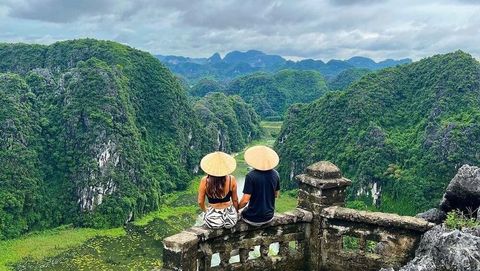
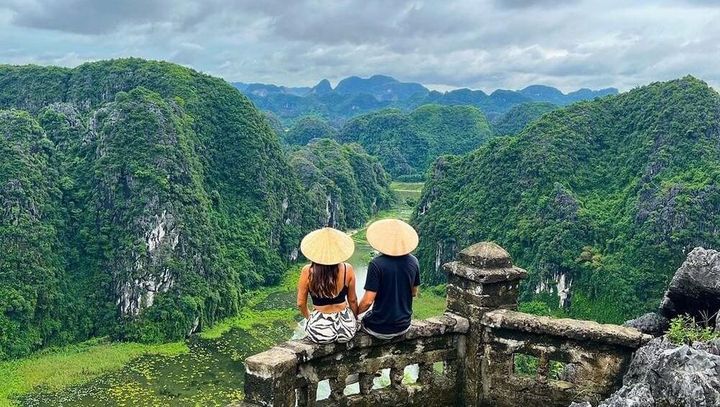
Today, Vietnam’s travel landscape includes major urban centers such as Hanoi and Ho Chi Minh City, along with natural attractions like Ha Long Bay and Phong Nha-Ke Bang National Park. These locations illustrate the country’s blend of urban development, traditional culture, and protected natural environments.
Travel to Vietnam typically involves exploring historical architecture, regional cuisine, and ecological areas. Visitors often learn about the country’s history through preserved monuments, museums, and UNESCO-recognized heritage sites.
Why Travel to Vietnam Matters in the Modern Tourism Landscape
Global tourism has evolved rapidly as travelers seek destinations that combine cultural heritage, nature, and cultural learning experiences. Vietnam has become an important example of how emerging tourism destinations can support economic development while preserving cultural identity.
Travel to Vietnam influences several sectors:
-
Economic development: Tourism contributes significantly to national revenue and supports infrastructure growth.
-
Cultural exchange: Visitors gain insight into Vietnamese traditions, language, and cuisine.
-
Environmental awareness: Many travel programs highlight conservation areas and biodiversity.
-
Regional connectivity: Vietnam acts as a gateway for travelers exploring Southeast Asia.
The tourism sector also supports industries such as transportation, hospitality, food production, and cultural preservation.
Travelers interested in history often explore heritage landmarks related to events such as the Vietnam War, while nature enthusiasts visit national parks, caves, and coastal ecosystems.
A simplified overview of common travel motivations can be illustrated below.
| Travel Motivation | Typical Activities |
|---|---|
| Cultural exploration | Museums, historic districts, temples |
| Nature tourism | National parks, coastal landscapes |
| Culinary discovery | Regional cuisine and markets |
| Historical learning | War museums and preserved sites |
These factors collectively explain why Vietnam remains a widely studied example in global tourism discussions.
Recent Developments and Tourism Trends
Over the past year, several developments have influenced travel patterns and tourism policies in Vietnam.
In August 2023, Vietnam expanded its electronic visa program, allowing travelers from a wider range of countries to apply for digital entry permits. This update increased the maximum duration of digital visas and simplified application procedures through the national immigration portal.
In 2024, tourism authorities introduced updated promotional campaigns focused on sustainable travel and heritage conservation. These initiatives aim to balance tourism growth with environmental protection.
Several infrastructure improvements were also reported:
-
Expansion of international flight routes to major airports.
-
Upgrades to rail transportation connecting major cities.
-
Increased investment in eco-tourism areas and protected landscapes.
Digital travel planning has also become more common. Travelers increasingly rely on mapping platforms, translation tools, and itinerary planning systems to navigate cities and rural areas.
These trends reflect a broader shift toward digital tourism planning, sustainable travel practices, and improved visitor management.
Regulations, Policies, and Government Programs
Travel to Vietnam is regulated by immigration laws, tourism regulations, and environmental policies. These rules help manage visitor flows while protecting cultural and natural resources.
The primary regulatory authority for tourism is the Vietnam National Administration of Tourism, which operates under the Ministry responsible for culture, sports, and tourism.
Key policy areas include:
Visa and Entry Requirements
Visitors typically need travel authorization before arrival. Vietnam offers several entry options:
-
Electronic visas issued through the official immigration system
-
Visa exemptions for certain nationalities
-
Short-term entry permits for transit travelers
Policies change periodically, so travelers often consult official government sources for updated requirements.
Environmental Protection Policies
Vietnam protects many natural areas through national park legislation and UNESCO heritage recognition. Sites such as Ha Long Bay are regulated to prevent environmental damage and overcrowding.
Tourism Development Strategies
Vietnam’s tourism development plans focus on three goals:
-
Sustainable tourism growth
-
Heritage preservation
-
Regional economic balance
These strategies guide investment in infrastructure, visitor education, and conservation programs.
Useful Digital Tools and Travel Resources
Modern travel planning often relies on digital tools that provide navigation support, translation assistance, and itinerary organization. Many travelers use these platforms to prepare routes and understand local conditions before visiting a destination.
Common travel resources include:
Navigation and Mapping Tools
-
Digital navigation platforms for route planning and location discovery
-
Offline mapping applications useful in areas with limited connectivity
Language and Communication Tools
-
Translation applications that assist with interpreting written text and spoken phrases
Travel Planning Platforms
-
Online travel information portals that provide destination insights, traveler experiences, and attraction details
-
Digital itinerary planners that compare transportation routes and schedules
Official Information Sources
-
Government tourism websites
-
National park information portals
-
Embassy or immigration guidance pages
A simplified comparison of resource types is shown below.
| Resource Type | Purpose |
|---|---|
| Navigation tools | Route planning and directions |
| Translation tools | Language support |
| Travel information platforms | Destination insights |
| Government information portals | Policy and entry requirements |
These tools help travelers understand logistics, cultural practices, and transportation systems before visiting.
Frequently Asked Questions
What is the typical climate in Vietnam?
Vietnam has a tropical and subtropical climate that varies by region. Northern areas experience cooler winters, while southern regions remain warm throughout the year. Seasonal rainfall is common during monsoon months.
Which destinations are commonly studied in travel guides?
Popular destinations include cities such as Hanoi and Ho Chi Minh City as well as natural landmarks like Ha Long Bay.
What transportation options are available within the country?
Travelers often use domestic flights, railways, buses, and ferries. Major cities also offer taxis, public transportation, and ride-sharing services.
How long do travelers usually stay in Vietnam?
Trip duration varies depending on itinerary plans. Many travelers spend between one and three weeks exploring different regions.
Is Vietnam known for cultural heritage sites?
Yes. Vietnam has several UNESCO-recognized heritage areas that preserve architecture, landscapes, and historical landmarks.
Conclusion
Traveling to Vietnam provides insight into a country with rich cultural traditions, complex history, and diverse natural environments. From bustling cities such as Hanoi to natural landmarks like Ha Long Bay, the country presents a wide range of experiences that illustrate Southeast Asia’s historical and environmental diversity.
Recent tourism developments, including expanded digital visa systems and infrastructure improvements, have made travel planning more accessible. At the same time, regulations and environmental policies aim to protect the nation’s heritage sites and ecosystems.
Using reliable travel information, official resources, and digital planning tools helps travelers understand entry requirements, transportation options, and regional conditions. With careful preparation and awareness of policies, travel to Vietnam can provide valuable educational and cultural experiences while supporting sustainable tourism practices.