Explore Hostels In Australia: Complete Guide, Tips, Insights, and Essential Travel Information
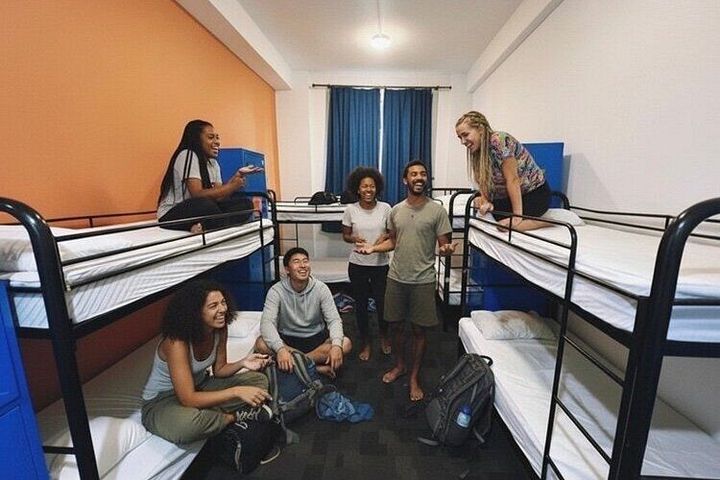
Hostels are shared accommodation environments designed to support travelers who prefer community-oriented lodging and flexible stays. Unlike traditional hotels, hostels typically provide shared dormitory rooms, communal kitchens, common lounges, and social activities that encourage interaction among travelers from different parts of the world.
Across Australia, hostels are an important part of the tourism landscape. They are commonly located in major cities such as Sydney, Melbourne, and Brisbane, as well as near coastal and nature-based destinations including Great Ocean Road and Gold Coast.
The concept of hostels began in the early twentieth century when youth travel organizations created affordable shared lodging spaces to encourage cultural exchange and educational travel. Over time, hostels evolved into a widely recognized accommodation category used by international travelers, students, and backpackers.
Modern hostels may include several types of accommodations:
-
Shared dormitory rooms with bunk beds
-
Small private rooms within hostel facilities
-
Community kitchens and dining areas
-
Shared lounges designed for social interaction
Travel research frequently focuses on informational topics such as budget travel accommodation insights, international travel insurance guidance, student travel planning strategies, backpacker travel accommodation trends, and travel safety knowledge for international visitors.
Why Hostel Travel Matters in Modern Tourism
Hostels have become increasingly important in global tourism because they address several challenges faced by modern travelers. These include long travel distances, increasing urban accommodation demand, and the desire for community-focused travel experiences.
Within Australia’s tourism environment, hostels support flexible travel across large geographic distances. Travelers often move between multiple cities and natural attractions during a single journey, making short-term accommodation arrangements useful.
Several traveler groups frequently use hostels:
-
International students exploring new destinations
-
Backpackers traveling across regions over extended periods
-
Solo travelers seeking social environments
-
Remote workers combining travel and digital work
Hostels also encourage efficient resource use through shared spaces and communal facilities. Shared kitchens, living areas, and dormitory layouts reduce resource consumption compared with traditional lodging environments.
The hostel environment helps address common travel challenges.
| Travel Challenge | Hostel Environment Response |
|---|---|
| Meeting other travelers | Shared lounges and social areas |
| Flexible travel schedules | Short stay accommodation options |
| Learning about local attractions | Community notice boards |
| Managing travel logistics | Central city locations |
Hostels also support tourism mobility by providing base locations for travelers exploring major attractions such as Uluru and Great Barrier Reef.
Recent Trends and Developments in Hostel Travel
Over the past year, the global hostel sector has experienced several developments related to travel patterns, sustainability awareness, and digital technology.
One major trend observed during 2024–2025 is the growing popularity of long-term travel lifestyles. Some travelers combine remote work with international exploration, creating demand for accommodation spaces that include work-friendly environments and shared collaborative areas.
Environmental sustainability has also become an important focus in the hostel sector. Many hostels now adopt practices designed to reduce environmental impact, such as:
-
Energy-efficient lighting systems
-
Water conservation initiatives
-
Waste reduction and recycling practices
-
Partnerships with eco-tourism programs
Tourism research published during late 2025 indicates increasing interest in community-focused accommodation. Travelers are often seeking shared cultural experiences rather than purely private lodging environments.
Technology also plays an important role in hostel travel planning. Travelers commonly use digital maps, itinerary planning platforms, and accommodation comparison tools when researching destinations.
The following illustrative chart shows common digital planning behaviors among travelers researching hostel stays:
Travel Planning Methods (Illustrative)

Accommodation Research      ███████████████
Destination Mapping         ████████████
Transport Route Planning    █████████
Digital Itinerary Tracking  ███████
Travel Community Forums     █████
These developments highlight how technology and sustainability are shaping the future of hostel travel worldwide.
Regulations and Policies Affecting Hostels
Hostels operating in Australia must follow hospitality regulations designed to ensure safety, sanitation, and proper accommodation standards.
Local authorities and tourism departments establish rules related to:
-
Fire safety systems and emergency exits
-
Hygiene and sanitation requirements
-
Maximum occupancy limits for dormitory rooms
-
Safety training procedures
Local planning regulations may also influence where hostels can operate in cities such as Perth and Adelaide.
Tourism initiatives coordinated by Tourism Australia promote international travel and encourage exploration of regional destinations. Youth travel programs and backpacker tourism campaigns often highlight destinations with strong hostel networks.
Travelers entering Australia must also follow immigration and travel policies related to international entry. These may include visa requirements, identification verification, and travel documentation procedures depending on the duration and purpose of the visit.
Travel research topics often associated with hostel planning include:
-
international travel documentation guidelines
-
travel insurance policy information
-
global tourism safety standards
-
international student travel requirements
These regulations help maintain safe tourism environments while supporting international travel activity.
Tools and Resources for Hostel Travelers
Planning a hostel-based journey often involves digital tools that assist with route planning, destination research, and travel organization.
Travelers commonly rely on the following types of resources:
-
Digital mapping and navigation tools
-
Travel itinerary planners
-
Transport route comparison platforms
-
Accommodation research directories
-
Travel budgeting worksheets
These resources help travelers evaluate key aspects of a hostel stay, including:
-
proximity to public transportation
-
access to tourist attractions
-
traveler reviews and safety indicators
-
local transport connections
A simple travel planning framework may include the following elements:
| Travel Planning Element | Example Entry |
|---|---|
| Destination City | Sydney |
| Arrival Date | Day 1 |
| Transport Options | Rail, bus, ferry |
| Nearby Attractions | Coastal areas, museums |
| Travel Documentation | Passport and entry approval |
Mapping tools also help travelers visualize routes across the country. Many travel itineraries connect major cities such as Sydney, Melbourne, and Brisbane while including coastal and natural destinations.
Travel research frequently includes informational keywords such as international travel insurance information, student travel planning guidance, global accommodation comparison research, and backpacker travel safety knowledge.
Frequently Asked Questions About Hostels in Australia
What types of rooms are commonly available in hostels?
Hostels typically provide dormitory-style rooms with bunk beds. Some hostels also include smaller private rooms while maintaining shared facilities such as kitchens and lounges.
Are hostels suitable for solo travelers?
Yes. Hostels often encourage interaction among travelers through shared spaces and community activities, making them popular among individuals traveling alone.
How do travelers evaluate hostel environments before staying?
Travelers usually review facility descriptions, cleanliness indicators, safety features, and traveler feedback available through travel research platforms.
Do hostels provide storage for personal belongings?
Many hostels provide lockers or secure storage spaces where travelers can keep luggage and personal items during their stay.
Are hostels available across major travel destinations in Australia?
Yes. Hostels are widely available in large cities and tourist regions, particularly along coastal travel routes and in areas popular with backpackers and international visitors.
Conclusion
Hostels play an important role in global travel by providing shared accommodation environments that support flexible journeys and cultural interaction. In Australia, hostels contribute significantly to the tourism infrastructure by helping travelers explore major cities, coastal routes, and natural landscapes.
Modern hostel travel is shaped by evolving tourism trends such as digital travel planning, sustainability awareness, and community-focused accommodation experiences. Regulations ensure safety and operational standards, while travel tools help visitors organize journeys efficiently.
As international travel continues to grow, hostels remain a valuable option for travelers seeking accessible lodging, social experiences, and opportunities to explore diverse destinations across Australia.