Learn About Resort Trips: Explanation, Important Facts, Planning Tips, and Travel Resources
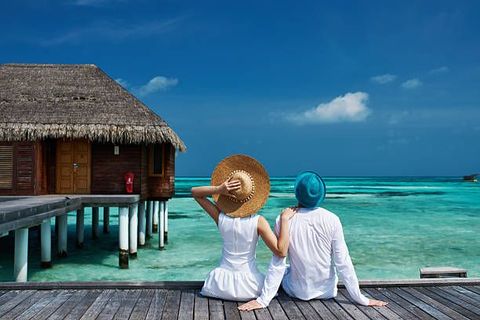
Resort trips refer to travel experiences where visitors stay at a resort property that provides accommodation, recreation, dining, and leisure activities within a single location. Resorts are typically designed to offer a complete travel environment, allowing guests to relax, participate in activities, and explore natural or cultural surroundings without needing extensive travel outside the property.
Resort destinations often exist in areas known for natural beauty, coastal landscapes, mountain environments, or tropical climates. The concept of resort travel developed as tourism expanded globally, creating spaces where travelers could combine lodging with entertainment, wellness, and recreational facilities.
Common types of resort environments include:
-
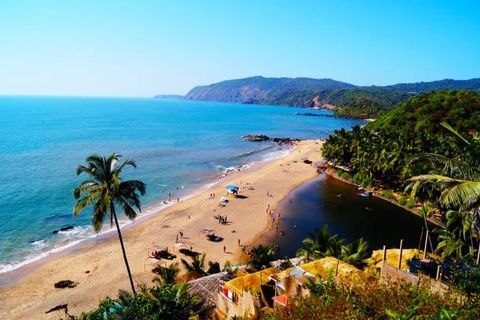
Beach resorts near coastal areas
-
Mountain or ski resorts in alpine regions
-
Wellness resorts focusing on relaxation and health
-
Family resorts offering recreational activities
-
Luxury resorts designed for high-end hospitality experiences
Resorts often integrate multiple services and amenities in one location. Typical resort infrastructure includes:
| Resort Feature | Description |
|---|---|
| Accommodation | Rooms, villas, or suites designed for extended stays |
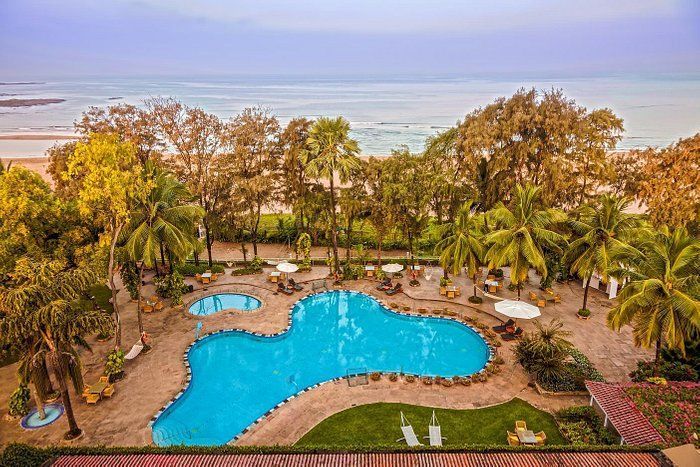
| Recreation | Pools, sports facilities, guided activities |
| Dining | Restaurants, cafes, and specialty dining options |
| Wellness | Spa, fitness centers, wellness programs |
| Entertainment | Cultural programs, shows, and outdoor excursions |
Travel planning keywords frequently associated with this topic include resort vacation planning, luxury resort destinations, all-inclusive resort travel, travel planning guide, and resort travel experiences.
Why Resort Trips Are Important in Modern Travel
Resort trips have become an important segment of the global tourism industry. They offer structured travel experiences where accommodation, recreation, and leisure activities are organized within a controlled environment.
This model of travel is particularly appealing for travelers seeking convenience, structured activities, and relaxation within a single destination.
Resort travel matters today for several reasons:
-
It supports regional tourism economies
-
It encourages organized leisure travel experiences
-
It provides infrastructure for recreation and wellness tourism
-
It supports long-stay travel trends
Resorts also play a role in environmental and cultural tourism. Many modern resorts incorporate local cultural experiences, eco-friendly design, and community tourism programs.
Travel researchers studying hospitality management, tourism economics, and sustainable tourism development often analyze resort tourism as a distinct travel category.
The travel sector has also seen a rise in travelers seeking experiences rather than only transportation-based tourism. Resort environments provide curated activities such as:
-
Guided nature excursions
-
Cultural workshops
-
wellness and spa programs
-
water sports and outdoor recreation
Because of this, resort travel is often associated with high-value tourism sectors such as luxury travel experiences, sustainable tourism programs, and destination resort planning.
Recent Developments and Trends in Resort Travel
Over the past year, travel and hospitality research has identified several trends influencing resort travel experiences. These changes reflect evolving traveler preferences, technology adoption, and environmental awareness.
In 2025, tourism industry reports noted increased interest in experiential travel and nature-based destinations. Resorts in coastal and mountain regions reported higher demand for outdoor recreation and wellness-focused stays.
Key trends observed during 2025–2026 include:
| Trend | Description |
|---|---|
| Eco-friendly resorts | Resorts adopting renewable energy, water conservation, and eco-design |
| Wellness tourism | Programs focused on health retreats, meditation, and fitness |
| Digital travel planning | Travelers using travel platforms and itinerary planners |
| Remote work travel | Resorts adapting spaces for extended stays and remote work |
Another trend involves digital travel planning tools. Travelers increasingly rely on online travel research platforms, digital itinerary planners, and mapping services to organize resort trips.
Industry analysts also reported an increase in interest in sustainable resort tourism, where resorts implement environmental conservation practices and community tourism initiatives.
The tourism sector also experienced growth in “slow travel,” where visitors stay longer at one destination rather than moving between multiple cities. Resort properties often support this type of travel due to their wide range of activities and amenities.
Regulations and Policies Affecting Resort Tourism
Resort tourism is influenced by national tourism regulations, environmental protection policies, and hospitality industry standards. These rules help ensure traveler safety, environmental protection, and fair business practices within the tourism sector.
Government tourism departments often establish regulations related to:
-
hotel and resort classification standards
-
environmental impact assessments
-
coastal development rules
-
health and safety requirements
-
traveler protection policies
Environmental regulations are particularly relevant for resort development in coastal or protected natural areas. Many countries require environmental assessments before new resort construction can begin.
Another important area involves sustainable tourism policies. These policies encourage resorts to:
-
reduce energy consumption
-
manage waste responsibly
-
protect surrounding ecosystems
-
promote responsible tourism behavior
Tourism authorities may also maintain certification programs recognizing resorts that follow environmental and sustainability guidelines.
These policies aim to balance tourism development with environmental conservation and local community protection.
Tools and Resources for Planning Resort Trips
Travelers researching resort trips often use a combination of digital tools and informational resources to plan their trips effectively.
Modern travel planning frequently involves online platforms, travel research websites, and itinerary organization tools.
Common tools used for resort trip planning include:
Travel research platforms
-
destination guides
-
travel review platforms
-
travel blogs and tourism portals
Travel planning apps
-
itinerary organizers
-
flight and accommodation trackers
-
travel budgeting tools
Mapping and navigation tools
-
digital maps for destination exploration
-
local transportation planners
-
navigation apps for nearby attractions
Travel documentation resources
-
digital travel checklists
-
travel insurance information guides
-
international travel advisory websites
Below is a simple example of a travel planning checklist that many travelers use when preparing for resort trips:
| Planning Stage | Key Actions |
|---|---|
| Research | Explore resort destinations and travel seasons |
| Preparation | Organize documents and travel itinerary |
| Booking | Confirm accommodation and transportation |
| Packing | Prepare clothing, travel essentials, and documents |
| Arrival | Review resort amenities and activity schedules |
Many travel planners also track seasonal tourism patterns, climate conditions, and local cultural events before choosing a resort destination.
Frequently Asked Questions About Resort Trips
What is a resort trip?
A resort trip involves traveling to a destination where accommodation, leisure activities, and recreational services are offered within a single property or surrounding area.
How are resorts different from hotels?
Hotels primarily provide accommodation, while resorts usually combine lodging with recreation, entertainment, wellness programs, and dining facilities in one location.
What activities are commonly available at resorts?
Activities vary depending on the destination but may include water sports, hiking, cultural events, spa programs, fitness sessions, and guided excursions.
Are resorts suitable for different types of travelers?
Yes. Resorts may cater to families, couples, wellness travelers, and individuals seeking relaxation or outdoor activities.
How do travelers choose a resort destination?
Travelers typically consider factors such as climate, available activities, accommodation options, transportation access, and seasonal tourism patterns.
Conclusion
Resort trips represent an important segment of global tourism that combines accommodation, recreation, and leisure experiences within a single destination environment. These travel experiences have evolved over time as tourism infrastructure expanded and travelers began seeking convenient and immersive vacation settings.
Modern resort travel reflects several broader trends in the tourism industry, including wellness tourism, sustainable travel practices, and digital trip planning. Resorts now integrate recreational facilities, cultural activities, and natural surroundings to create comprehensive travel environments.
Understanding resort trips involves exploring how tourism infrastructure operates, how policies influence travel destinations, and how travelers use digital tools to plan their journeys.
As travel trends continue to evolve, resort tourism remains a significant part of the hospitality sector, offering structured travel environments that combine relaxation, recreation, and exploration in a single destination.