Explore LED Designs: Complete Guide, Basics, Tips, and Key Insights
Light Emitting Diode (LED) designs refer to structured lighting systems developed using semiconductor-based light sources. Unlike traditional incandescent or fluorescent lighting, LED lighting systems generate illumination through electroluminescence. This process allows higher efficiency, lower heat output, and extended operational lifespan.
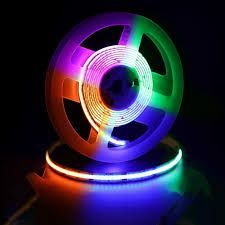
LED designs exist to address rising energy consumption, performance reliability challenges, and sustainability objectives. Modern architectural lighting design integrates LEDs into residential interiors, commercial buildings, outdoor infrastructure, and industrial environments. Their flexibility supports applications such as recessed fixtures, panel systems, linear strip lighting, and high-bay industrial lighting systems.
Over time, LED lighting systems have evolved from basic indicator lights to advanced commercial lighting solutions integrated with automation and energy monitoring technologies. Today’s designs focus on optimized brightness, improved color accuracy, and minimal energy waste.
Why LED Designs Matter Today
Energy efficiency is a major global infrastructure priority. LED lighting systems significantly reduce electricity demand compared to conventional lighting technologies.
Key advantages include:
-
Reduced power consumption
-
Lower carbon footprint
-
Longer lifespan with fewer replacement cycles
-
Compatibility with smart lighting technology
-
Enhanced lighting quality with adjustable color temperature
LED designs benefit:
-
Commercial real estate developments
-
Industrial manufacturing facilities
-
Healthcare and educational institutions
-
Smart infrastructure projects
These systems help solve issues such as overheating, high operational energy loads, and inconsistent illumination. Industrial lighting systems now deliver uniform brightness with minimal glare, improving productivity and safety standards.
The table below compares common lighting technologies:
| Feature | Incandescent | Fluorescent | LED Lighting Systems |
|---|---|---|---|
| Energy Efficiency | Low | Moderate | High |
| Lifespan (Hours) | ~1,000 | ~8,000 | 25,000–50,000+ |
| Heat Emission | High | Medium | Low |
| Smart Integration | Limited | Limited | Advanced |
| Environmental Impact | Higher | Moderate | Lower |
Sustainable lighting solutions are increasingly integrated into building design strategies due to measurable energy performance improvements.
Recent Developments in LED Lighting Technology
Recent advancements in 2025 highlight continued innovation in smart lighting technology and architectural lighting design.
Major trends include:
-
Human-centric lighting aligned with circadian rhythm research
-
Tunable white LEDs for adaptive environments
-
Integration with IoT-based building management systems
-
Micro-LED advancements for precision applications
-
Improved thermal management materials
Lighting manufacturers continue refining LED drivers for higher efficiency and more accurate dimming capabilities. Smart dashboards now allow real-time monitoring of lighting energy performance in commercial lighting solutions.
Regulatory Standards and Compliance Frameworks
LED lighting systems are governed by energy efficiency regulations, safety standards, and environmental compliance requirements. These frameworks ensure lighting products meet performance and sustainability benchmarks.
Common regulatory requirements include:
-
Minimum lumens-per-watt efficiency thresholds
-
Electrical safety certifications
-
Product labeling for transparency
-
Restrictions on hazardous materials
Environmental building certifications frequently emphasize energy efficient lighting as part of sustainable construction standards. Compliance with lighting compliance standards ensures installations align with energy performance objectives.
Organizations implementing commercial lighting solutions must verify that systems meet electrical safety codes and industry guidelines. Adherence to compliance standards helps reduce operational risks and ensures long-term reliability.
Tools and Resources for LED Design Planning
Effective LED lighting system planning relies on digital simulation tools and technical evaluation resources.
Widely used lighting design platforms include:
-
DIALux – Lighting simulation and energy calculation tool
-
Relux – Professional lighting layout software
-
Illuminating Engineering Society – Provides lighting performance guidelines
Common evaluation metrics in LED lighting design:
-
Lumens – Total light output
-
Lux – Illumination intensity per area
-
Color Rendering Index (CRI) – Color accuracy
-
Correlated Color Temperature (CCT) – Warm or cool appearance
-
Power factor – Electrical efficiency indicator
Reference table:
| Metric | Measurement Focus | Practical Impact |
|---|---|---|
| Lumens | Brightness output | Determines visibility level |
| Lux | Area illumination | Ensures task accuracy |
| CRI | Color quality | Important for retail & healthcare |
| CCT | Light tone | Influences environment mood |
Using simulation software helps align architectural lighting design with lighting compliance standards and energy performance objectives.
Frequently Asked Questions
What makes LED lighting systems energy efficient?
LEDs convert a greater portion of electricity into visible light instead of heat, reducing overall power consumption.
How long do LED fixtures operate?
Most high-performance LED lighting systems function between 25,000 and 50,000 hours under standard operating conditions.
Are LED designs suitable for industrial environments?
Yes. Industrial lighting systems using LED high-bay fixtures provide consistent illumination with high durability and efficiency.
What is smart lighting technology?
Smart lighting integrates LED systems with sensors, automation controls, and connected management platforms for adaptive operation.
Do LED lighting systems require certification?
Yes. Many jurisdictions require lighting products to meet electrical safety and energy efficiency standards before installation.
Conclusion
LED designs have transformed modern lighting infrastructure through energy efficiency, long lifespan, and compatibility with smart systems. Commercial lighting solutions and industrial lighting systems increasingly rely on advanced LED lighting systems to meet sustainability and operational goals.
Recent technological progress, including adaptive lighting controls and IoT integration, continues to expand capabilities. Compliance frameworks ensure safety, performance transparency, and environmental responsibility.
Understanding lighting metrics, regulatory standards, and planning tools enables informed decisions when implementing sustainable lighting solutions in residential, commercial, and industrial settings.