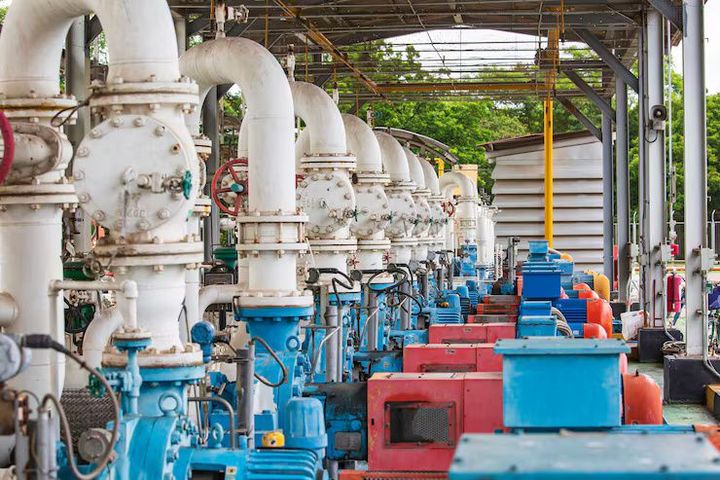
Explore Industrial Pumps With Equipment Insights And Essential Details
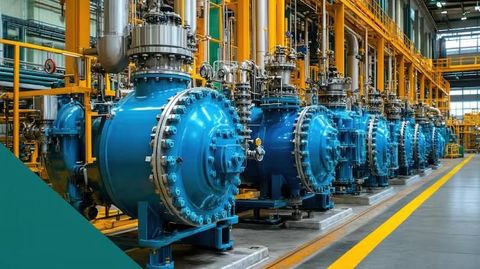
Industrial pumps are among the most important pieces of equipment used across modern industries. These systems are designed to move liquids, slurries, chemicals, oils, water, and other fluids from one location to another. Industrial pumps support countless industrial processes by maintaining fluid flow, controlling pressure, and ensuring that production systems operate efficiently. Without industrial pumps, many manufacturing, processing, energy, and infrastructure operations would face significant operational challenges.
As industrial facilities continue expanding and adopting advanced technologies, the importance of industrial pumps has increased. According to global industrial research, fluid handling systems remain a critical component of production efficiency, resource management, and operational reliability. Industrial pumps are used in environments ranging from manufacturing plants and processing facilities to water treatment systems and energy operations. Their ability to transport fluids safely and efficiently makes them essential for modern industry.
The impact of industrial pumps extends beyond fluid movement. Industrial pumps contribute to production consistency, equipment protection, workplace safety, and resource management. Understanding industrial pumps, their components, applications, and operating principles helps engineers, technicians, facility managers, business owners, and students gain valuable knowledge about industrial systems. Before exploring the various pump types, it is useful to understand who relies on industrial pumps and the challenges these systems help solve.
Who It Affects & Problems It Solves
Industrial pumps affect a broad range of industries and operational environments. Manufacturing facilities use industrial pumps to move fluids through production systems. Processing plants rely on industrial pumps to handle chemicals, ingredients, and process liquids. Energy operations, water management systems, mining facilities, agricultural operations, and infrastructure projects also depend heavily on industrial pumps.
Without reliable industrial pumps, organizations would struggle to maintain consistent fluid flow and process efficiency. Fluid transfer interruptions can lead to production delays, equipment damage, quality control issues, and increased operational costs. Industrial pumps help solve these challenges by ensuring controlled and dependable fluid movement throughout industrial systems.
Another common issue involves managing different fluid characteristics. Some applications require handling clean water, while others involve thick slurries, corrosive chemicals, or high-temperature liquids. Industrial pumps are designed to address these varying requirements through specialized designs and operating principles. Understanding the capabilities of industrial pumps helps organizations select appropriate equipment for specific applications. Recent technological developments have further expanded the performance and efficiency of industrial pump systems.
Recent Updates
Over the past year, industrial pump manufacturers have continued focusing on energy efficiency. Organizations worldwide are seeking ways to reduce operating costs while maintaining reliable performance. As a result, many industrial pumps now incorporate improved motor technologies and optimized hydraulic designs that help reduce energy consumption.
Another important trend involves smart monitoring systems. Modern industrial pumps increasingly feature sensors and digital monitoring capabilities that provide real-time performance information. These technologies help operators identify maintenance needs, monitor efficiency, and detect potential failures before they cause operational disruptions.
Automation integration has also become more common. Industrial pumps are increasingly connected to automated control systems that adjust performance based on changing operational requirements. This approach improves efficiency while reducing the need for manual intervention.
Sustainability initiatives continue influencing industrial pump development as well. Manufacturers are investing in designs that reduce resource consumption, improve durability, and support long-term operational efficiency. These developments provide valuable context for understanding the major types of industrial pumps used today.
Comparison Table
The following table highlights common industrial pump types and their primary applications.
| Pump Type | Primary Function | Common Application |
|---|---|---|
| Centrifugal Pumps | Continuous fluid movement | Water and process systems |
| Positive Displacement Pumps | Accurate fluid transfer | Chemical processing |
| Diaphragm Pumps | Handling sensitive fluids | Chemical and industrial operations |
| Gear Pumps | Transfer viscous liquids | Oil and lubrication systems |
| Piston Pumps | High-pressure fluid movement | Hydraulic applications |
| Submersible Pumps | Underwater fluid transfer | Drainage and water management |
| Peristaltic Pumps | Controlled fluid dosing | Processing operations |
| Screw Pumps | Smooth fluid movement | Industrial fluid transport |
| Vacuum Pumps | Air and gas removal | Manufacturing processes |
| Slurry Pumps | Transport abrasive materials | Mining and processing operations |
The table demonstrates that industrial pumps serve a wide range of fluid handling requirements. Selecting the correct pump type depends on the characteristics of the fluid, pressure requirements, flow rates, and operating conditions.
Components Information
Industrial pumps consist of several important components that work together to move fluids efficiently. The impeller is one of the most critical components in many industrial pumps. It generates the force necessary to move liquids through the pump system. The design of the impeller directly influences flow rate and performance.
Pump casings are another essential component. The casing houses internal parts and helps direct fluid movement through the pump. Different casing designs are used depending on the intended application and operating requirements.
Seals and bearings play important roles in maintaining reliability. Seals help prevent fluid leakage, while bearings support rotating components and reduce friction. Proper maintenance of these components contributes significantly to pump longevity and operational performance.
Motors, shafts, valves, and control systems also contribute to effective pump operation. Motors provide the power required to drive industrial pumps, while control systems regulate performance based on process requirements. Together, these components allow industrial pumps to operate efficiently across a wide range of industrial applications.
Regulations & Practical Guidance
Industrial pumps are generally subject to safety, quality, and performance standards in most countries. Regulatory frameworks often address equipment reliability, workplace safety, environmental considerations, and operational efficiency. Compliance with applicable standards helps ensure that industrial pumps operate safely and effectively.
Routine maintenance is essential for maximizing pump performance and lifespan. Regular inspections, lubrication, seal replacement, vibration monitoring, and performance testing can help identify issues before they lead to equipment failures. Preventive maintenance programs are commonly used to improve reliability and reduce downtime.
Proper pump selection is equally important. Industrial pumps should be chosen based on fluid properties, operating temperatures, flow requirements, pressure conditions, and environmental factors. Selecting the appropriate industrial pumps helps improve efficiency while reducing maintenance requirements and operational risks.
Which Option Suits Your Situation?
Manufacturing facilities requiring continuous fluid movement often utilize centrifugal pumps because they provide reliable flow for many industrial processes. These industrial pumps are widely used due to their versatility and efficiency.
Organizations handling chemicals or precise fluid dosing requirements frequently choose positive displacement pumps or diaphragm pumps. These industrial pumps offer greater control when managing specialized fluids.
Mining and processing operations often rely on slurry pumps because these industrial pumps are designed to handle abrasive materials and challenging operating conditions. Their specialized construction helps maintain performance in demanding environments.
Facilities managing drainage, water transfer, or wastewater systems commonly utilize submersible pumps. These industrial pumps operate directly within fluids and provide effective performance for water-related applications. Understanding these requirements naturally leads to exploring useful tools and resources associated with industrial pumps.
Tools & Resources
Several resources can help organizations better understand and manage industrial pumps.
Pump Selection Calculators — Assist in identifying suitable industrial pumps based on operational requirements.
Flow Rate Calculation Tools — Help estimate fluid movement requirements for industrial systems.
Maintenance Management Software — Supports inspection scheduling and maintenance planning.
Energy Efficiency Assessment Tools — Evaluate pump performance and energy usage.
Condition Monitoring Systems — Provide real-time information about industrial pump operation.
Engineering Reference Guides — Explain industrial pump principles, applications, and system design.
Technical Documentation Libraries — Offer specifications, maintenance instructions, and operational guidance.
These resources help organizations improve decision-making, support maintenance planning, and optimize industrial pump performance. They also address many common questions regarding industrial pumps.
Frequently Asked Questions
What are industrial pumps?
Industrial pumps are mechanical devices designed to move liquids, slurries, chemicals, oils, and other fluids through industrial systems. Industrial pumps are widely used in manufacturing, processing, water management, energy production, and infrastructure applications.
Why are industrial pumps important?
Industrial pumps support fluid transfer, pressure management, production processes, and resource distribution. Without industrial pumps, many industrial operations would experience reduced efficiency, equipment issues, and operational disruptions. Industrial pumps help maintain reliable system performance.
What is the most common type of industrial pump?
Centrifugal pumps are among the most commonly used industrial pumps because they are suitable for a wide variety of fluid handling applications. Their simplicity, efficiency, and versatility make them popular across many industries.
How often should industrial pumps be maintained?
Maintenance schedules vary depending on operating conditions, fluid characteristics, and manufacturer recommendations. Regular inspections, lubrication, component checks, and performance monitoring are generally recommended to keep industrial pumps operating efficiently.
Are industrial pumps used only in manufacturing?
No. Industrial pumps are used in many sectors including water treatment, agriculture, mining, energy production, infrastructure, processing facilities, and environmental management. Industrial pumps support fluid handling wherever reliable movement of liquids is required.
Conclusion
Industrial pumps are essential components of modern industrial systems. These industrial pumps support fluid transfer, process efficiency, equipment protection, and operational reliability across numerous industries. From centrifugal pumps and diaphragm pumps to slurry pumps and submersible pumps, industrial pumps are designed to address a wide range of fluid handling challenges.
The most important takeaway is that selecting the appropriate industrial pumps and maintaining them properly can significantly improve system performance and operational efficiency. Understanding pump types, components, applications, and maintenance requirements helps organizations make informed equipment decisions.
As industries continue advancing through automation, monitoring technologies, and efficiency improvements, industrial pumps will likely become increasingly intelligent, efficient, and reliable, supporting the evolving needs of modern industrial operations.