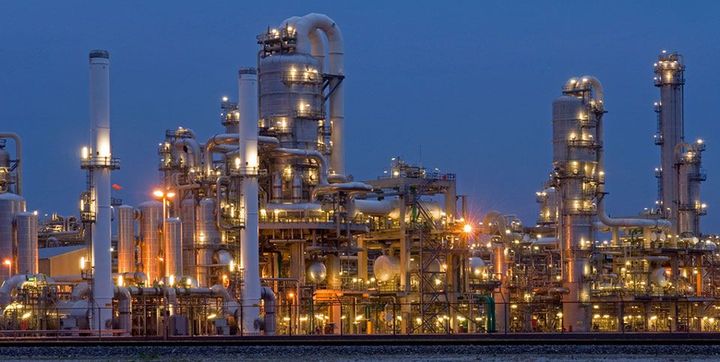
Explore Industrial Chemicals: Advice, Suggestions, Insights, Information, Facts, and Learning Resources
Industrial chemicals are substances used in manufacturing, processing, research, construction, agriculture, healthcare, energy production, and many other sectors. These chemicals serve as essential building blocks for countless products and processes that support modern life.
Industrial chemicals can include acids, alkalis, solvents, polymers, catalysts, pigments, additives, specialty compounds, and raw materials used in production environments. Their development and application have evolved alongside technological progress, helping industries improve efficiency, product quality, and operational consistency.
The industrial chemical sector exists because many manufacturing and processing activities require materials with specific physical and chemical properties. Whether producing electronics, pharmaceuticals, construction materials, textiles, or packaging, industries depend on carefully formulated chemical inputs to achieve desired outcomes.
Industrial chemicals range from widely used bulk chemicals produced in large volumes to specialized compounds developed for highly specific applications. Their diversity makes them one of the most important foundations of global industrial activity.
Why Industrial Chemicals Matter
Industrial chemicals influence nearly every aspect of modern infrastructure and production systems. They contribute to the creation of materials, technologies, and products used daily by individuals, businesses, and governments.
Some of the major areas affected by industrial chemicals include:
- Manufacturing and production
- Construction and infrastructure
- Energy generation and storage
- Water treatment and purification
- Agriculture and food processing
- Healthcare and pharmaceuticals
- Transportation and automotive industries
- Electronics and telecommunications
Industrial chemicals help solve several important challenges, including:
| Challenge | Chemical Contribution |
|---|---|
| Water contamination | Treatment chemicals improve water quality |
| Material durability | Protective coatings extend lifespan |
| Food preservation | Processing aids support product stability |
| Energy efficiency | Advanced materials improve performance |
| Industrial productivity | Process chemicals increase efficiency |
| Environmental management | Specialized compounds assist waste treatment |
Their significance continues to grow as industries seek safer materials, greater efficiency, and lower environmental impact.
Major Categories of Industrial Chemicals
Understanding common categories helps explain how industrial chemicals are used across different sectors.
| Category | Examples | Common Uses |
| Basic Chemicals | Sulfuric acid, chlorine | Manufacturing processes |
| Specialty Chemicals | Adhesives, coatings | Performance applications |
| Petrochemicals | Ethylene, propylene | Plastics and polymers |
| Agrochemicals | Fertilizer ingredients | Agricultural productivity |
| Industrial Solvents | Alcohols, ketones | Cleaning and processing |
| Performance Materials | Resins, composites | Advanced manufacturing |
Each category supports different industrial objectives while contributing to broader economic and technological development.
Recent Updates and Industry Trends
The industrial chemical sector has experienced notable developments during 2025 and early 2026. Several trends continue to shape research, production methods, and regulatory priorities.
One significant trend involves increased investment in sustainable chemical manufacturing. Many organizations are exploring lower-emission production techniques and alternative feedstocks to reduce environmental impact.
During 2025, advances in digital monitoring systems expanded across chemical processing facilities. Smart sensors, automation platforms, and predictive maintenance technologies became more common, helping improve operational visibility and safety management.
The adoption of artificial intelligence within chemical research also accelerated throughout 2025. AI-assisted modeling tools are increasingly used to analyze formulations, optimize production processes, and improve resource efficiency.
Another important development involves circular economy initiatives. Manufacturers are studying ways to recover, recycle, and reuse chemical materials that were previously discarded as waste.
The following chart illustrates major industry priorities observed across recent reports and market analyses.
| Industry Priority | Relative Industry Focus |
| Sustainability | High |
| Process Automation | High |
| Chemical Safety | High |
| Resource Efficiency | Medium-High |
| Recycling Technologies | Medium-High |
| Digital Monitoring | Medium |
| Supply Chain Resilience | Medium |
Researchers and policymakers continue examining methods for balancing industrial growth with environmental responsibility, making sustainability one of the most discussed topics in the chemical sector.
Regulations, Laws, and Policy Considerations
Industrial chemicals operate within regulatory frameworks designed to protect public health, workplace safety, and the environment.
Different countries maintain their own chemical management systems, but several common objectives appear across most regulatory programs:
- Hazard identification
- Chemical classification
- Safe transportation requirements
- Environmental protection measures
- Workplace exposure controls
- Product labeling standards
- Waste management requirements
Regulatory agencies often require manufacturers and users to maintain documentation regarding chemical properties, handling procedures, and risk assessments.
Environmental regulations increasingly focus on emissions monitoring, waste reduction, and responsible chemical disposal. Companies are also encouraged to adopt practices that minimize ecological impact throughout a product's lifecycle.
In many jurisdictions, chemical inventories and registration programs help authorities track substances used within industrial supply chains. These frameworks support transparency and informed decision-making regarding chemical management.
Organizations involved with industrial chemicals typically monitor regulatory updates regularly to ensure compliance with evolving standards and reporting requirements.
Tools and Learning Resources
A variety of digital resources can help students, researchers, professionals, and interested readers understand industrial chemicals more effectively.
Helpful educational resources include:
- Chemical safety databases
- Material Safety Data Sheet (MSDS) repositories
- Regulatory guidance portals
- Chemical property reference libraries
- Scientific journals
- Industrial standards documentation
- Environmental compliance resources
- Academic research databases
Useful tools often include:
- Chemical compatibility charts
- Hazard communication templates
- Exposure assessment calculators
- Environmental impact calculators
- Process simulation software
- Chemical inventory management systems
- Laboratory documentation templates
- Risk assessment frameworks
Learning approaches that support understanding include:
- Technical publications
- Industry reports
- Educational webinars
- University courses
- Professional certification programs
- Scientific conferences
- Research articles
- Training workshops
These resources can help users better understand chemical properties, industrial applications, safety considerations, and emerging technologies.
Safety and Environmental Considerations
Safety remains a central priority throughout the industrial chemical lifecycle. Proper handling, storage, transportation, and disposal procedures help reduce risks associated with chemical use.
Key safety principles include:
- Understanding chemical hazards
- Following handling instructions
- Using appropriate protective equipment
- Maintaining proper ventilation
- Monitoring exposure levels
- Storing chemicals according to compatibility guidelines
- Implementing emergency response procedures
Environmental stewardship is also becoming increasingly important. Many organizations are adopting cleaner production methods and evaluating opportunities to reduce waste generation.
Examples of environmental strategies include:
- Resource conservation
- Process optimization
- Waste minimization
- Recycling initiatives
- Energy efficiency improvements
- Emissions reduction programs
These efforts support broader sustainability objectives while promoting responsible industrial development.
Frequently Asked Questions
What are industrial chemicals?
Industrial chemicals are substances used in manufacturing, processing, construction, agriculture, healthcare, energy production, and many other industrial activities. They serve as essential materials for producing goods and supporting industrial operations.
Are industrial chemicals regulated?
Yes. Most countries regulate industrial chemicals through laws and policies covering safety, environmental protection, transportation, labeling, storage, and workplace exposure requirements.
What industries use industrial chemicals?
Industrial chemicals are commonly used in manufacturing, construction, energy, water treatment, agriculture, pharmaceuticals, automotive production, electronics, and consumer goods industries.
Why is chemical safety important?
Chemical safety helps protect workers, communities, and the environment by reducing risks associated with handling, storage, transportation, and disposal of potentially hazardous substances.
What are sustainable chemicals?
Sustainable chemicals generally refer to substances and production methods designed to reduce environmental impact, improve resource efficiency, and support long-term sustainability goals.
How is technology changing the chemical industry?
Technologies such as artificial intelligence, automation, digital monitoring systems, predictive analytics, and advanced process controls are helping improve efficiency, safety, and environmental performance.
Conclusion
Industrial chemicals form an essential foundation of modern society, supporting manufacturing, infrastructure, healthcare, agriculture, energy systems, and technological innovation. Their applications extend across numerous industries, making them critical to economic activity and everyday life.
Recent developments in sustainability, automation, digital monitoring, and resource efficiency continue to influence how industrial chemicals are developed and managed. At the same time, regulations and safety frameworks play an important role in ensuring responsible use and environmental protection.
By understanding the fundamentals of industrial chemicals, their applications, regulatory landscape, and emerging trends, readers can gain a clearer perspective on a sector that quietly supports many aspects of contemporary life. Continued learning through reputable resources, research publications, and educational tools can help individuals stay informed about this important and evolving field.