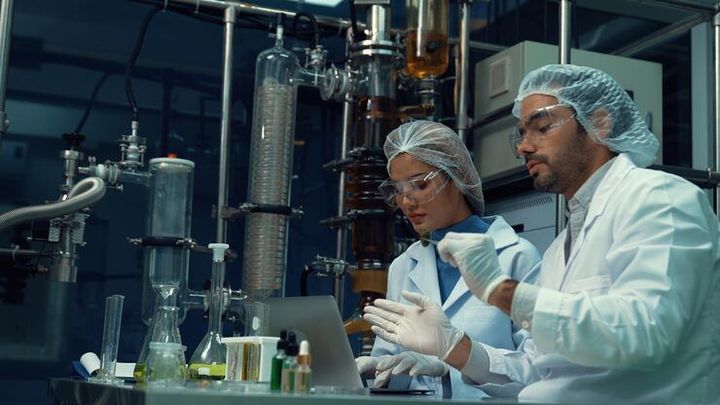
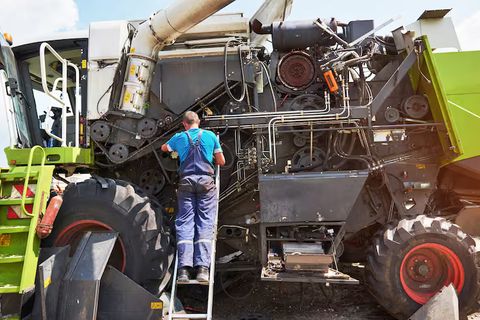
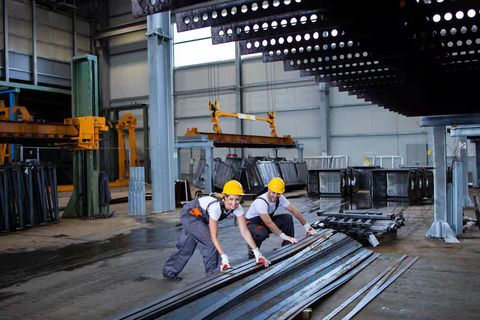
The importance of chemical manufacturing has increased due to industrial growth, global demand for materials, and the need for sustainable production methods. Industries are focusing on improving efficiency, reducing waste, and optimizing resource utilization.
Recent trends include automation, digital monitoring systems, and green chemistry practices. These developments enable safer operations, lower environmental impact, and improved productivity. Understanding chemical manufacturing techniques is essential for efficient and responsible industrial production.
Who It Affects and What Problems It Solves
Chemical manufacturing is relevant for engineers, plant operators, researchers, safety managers, and industrial planners. These professionals depend on efficient processes to produce high-quality materials and meet production targets.
Traditional methods may lead to inefficiencies, safety risks, and environmental challenges. Modern techniques address these issues through improved control and optimization.
Problems It Helps Solve
-
Inefficient production processes
-
High energy consumption
-
Environmental pollution and waste generation
-
Inconsistent product quality
-
Safety risks in chemical handling
-
Difficulty scaling production
Recent Updates and Trends
In the past year, chemical manufacturing has evolved with the integration of digital technologies and sustainability initiatives. Process automation and real-time monitoring systems are being widely adopted to improve accuracy and efficiency.
Green chemistry is gaining importance, focusing on reducing hazardous substances and minimizing environmental impact. Renewable raw materials and energy-efficient processes are being incorporated into production systems.
Artificial intelligence and data analytics are being used to optimize process parameters and predict equipment performance. This improves productivity and reduces downtime.
Continuous manufacturing techniques are replacing traditional batch processes in some industries, enabling faster and more consistent production.
Additionally, stricter environmental regulations are driving innovation in waste management and emission control technologies.
Types of Chemical Manufacturing Processes
| Process Type | Description | Application | Outcome |
|---|
| Batch Processing | Production in discrete steps | Pharmaceuticals | Flexibility |
| Continuous Processing | Ongoing production | Petrochemicals | High efficiency |
| Semi-Batch Processing | Combination of batch and continuous | Specialty chemicals | Controlled reactions |
| Catalytic Processes | Use of catalysts to accelerate reactions | Refining and synthesis | Improved yield |
| Biochemical Processes | Use of biological systems | Biotechnology | Sustainable production |
Each process type is selected based on product requirements.
Key Stages in Chemical Manufacturing
| Stage | Description | Key Action | Result |
|---|
| Raw Material Preparation | Processing of inputs | Cleaning and mixing | Ready materials |
| Reaction | Chemical transformation | Controlled conditions | Product formation |
| Separation | Isolate desired product | Filtration or distillation | Purified output |
| Purification | Remove impurities | Refining processes | High quality |
| Packaging | Prepare for distribution | Storage and handling | Market-ready product |
These stages ensure efficient production.
Equipment Used in Chemical Manufacturing
| Equipment Type | Description | Function | Outcome |
|---|
| Reactors | Vessels for chemical reactions | Enable transformation | Product formation |
| Distillation Columns | Separate components | Purification | High-quality output |
| Heat Exchangers | Transfer heat | Temperature control | Energy efficiency |
| Pumps and Compressors | Move fluids and gases | Flow management | Process continuity |
| Storage Tanks | Store raw materials and products | Inventory management | Stability |
These systems support manufacturing operations.
Performance Factors and Optimization
| Factor | Description | Importance | Result |
|---|
| Reaction Efficiency | Conversion rate of raw materials | Maximizes output | Cost savings |
| Energy Consumption | Power usage | Affects sustainability | Reduced costs |
| Process Control | Monitoring and adjustment | Ensures consistency | Quality assurance |
| Safety Measures | Risk management | Prevents accidents | Safe operations |
| Waste Management | Handling by-products | Environmental impact | Compliance |
Optimizing these factors improves overall efficiency.
Applications Across Industries
Chemical manufacturing supports a wide range of industries.
In pharmaceuticals, it enables the production of medicines and healthcare products. In agriculture, it supports fertilizers and pesticides.
The automotive and construction industries rely on polymers, coatings, and adhesives produced through chemical processes. Energy sectors use chemical manufacturing for fuels and refining.
These applications demonstrate the critical role of chemical manufacturing in modern industry.
Maintenance and Best Practices
Proper maintenance ensures the reliability and safety of chemical manufacturing systems. Regular inspection of equipment helps identify wear and potential issues.
Cleaning and calibration of systems maintain efficiency and product quality. Following standard operating procedures ensures consistent performance.
Training personnel in safety and operational practices reduces risks. Monitoring systems help track performance and schedule maintenance.
Implementing preventive maintenance strategies improves long-term reliability.
Laws and Policies Related to Chemical Manufacturing
Chemical manufacturing is governed by strict safety and environmental regulations. These policies ensure safe handling of chemicals, proper waste management, and compliance with environmental standards.
In India, chemical industries must follow guidelines set by the Central Pollution Control Board. These regulations address emissions, waste disposal, and environmental protection.
Practical Guidance Table
| Situation | Recommended Approach | Practical Benefit |
|---|
| High Production Demand | Use continuous processes | Efficiency |
| Safety Concerns | Implement strict safety protocols | Risk reduction |
| Environmental Compliance | Adopt green chemistry practices | Sustainability |
| Process Optimization | Use automation and monitoring | Improved performance |
Tools and Resources for Chemical Manufacturing
Chemical manufacturing relies on various tools and systems for efficient operation.
Common Tools and Resources
-
Process control systems
-
Data analytics platforms
-
Safety monitoring tools
-
Maintenance management software
-
Training and simulation programs
Tools Comparison Table
| Tool Type | Functionality | Best Use Case |
|---|
| Control Systems | Monitor and adjust processes | Automation |
| Analytics Tools | Analyze data | Optimization |
| Safety Tools | Detect hazards | Risk management |
| Maintenance Software | Manage schedules | Equipment care |
| Training Programs | Improve skills | Workforce development |
Frequently Asked Questions
What is chemical manufacturing?
It is the process of converting raw materials into useful products through chemical reactions.
What are common manufacturing processes?
Batch, continuous, and catalytic processes are widely used.
Why is process control important?
It ensures consistent quality and safe operations.
How is sustainability achieved in chemical manufacturing?
Through green chemistry and efficient resource use.
What industries use chemical manufacturing?
Pharmaceuticals, agriculture, energy, and manufacturing industries.
Conclusion
Chemical manufacturing techniques are essential for producing a wide range of products that support modern industries. By using advanced processes and technologies, industries can achieve efficient and reliable production.
Recent advancements in automation, data analytics, and sustainable practices have improved manufacturing efficiency and reduced environmental impact. These developments support safer and more responsible operations.
A data-driven approach indicates that optimizing process efficiency, ensuring safety, and adopting modern technologies are key to successful chemical manufacturing. By implementing these strategies, industries can enhance productivity and maintain high standards of quality and sustainability.