Everything You Need to Know Before Choosing a Ditch Witch Rod Machine
Underground utility installation has become an important part of modern infrastructure development. From telecommunications and water lines to electrical conduits and gas pipelines, many projects require accurate underground boring and drilling equipment.
Among the components used in horizontal directional drilling operations, the Ditch Witch Rod plays a significant role in helping drilling systems navigate underground paths efficiently.
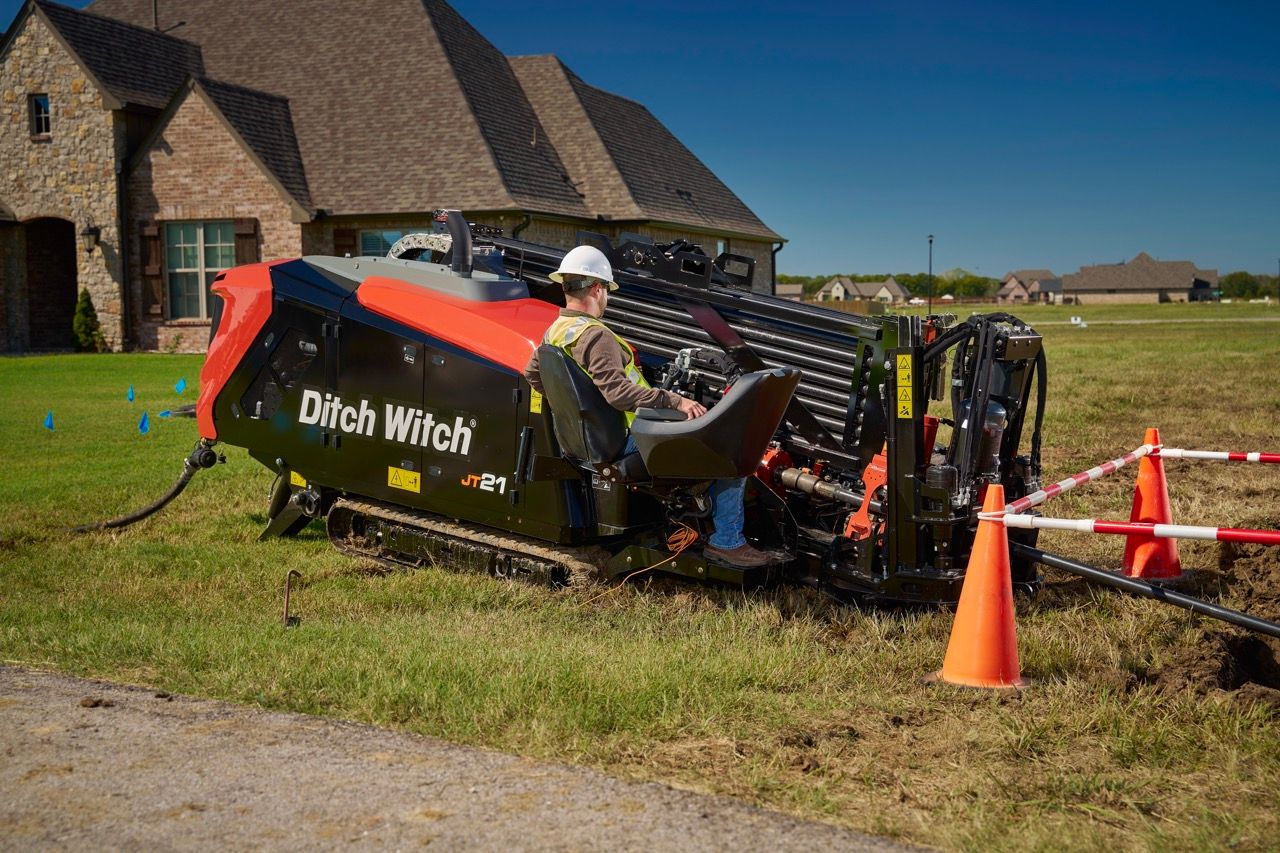
For contractors, project managers, utility planners, and individuals involved in underground construction, understanding drilling rods and their applications is essential. Selecting an appropriate rod involves evaluating durability, compatibility, project requirements, and operating conditions.
This guide explores the fundamentals of a Ditch Witch Rod, how it works, key features, important selection considerations, maintenance practices, and common applications.
Understanding a Ditch Witch Rod
A drilling rod is a specialized component used in horizontal directional drilling (HDD) equipment. It connects sections of drilling systems and transfers rotational force and thrust during underground drilling operations.
The Ditch Witch Rod is designed to help create underground pathways while supporting drilling accuracy and stability. These rods are typically manufactured from durable materials capable of handling challenging ground conditions.
During drilling operations, multiple rods are connected together to extend drilling distance and reach target locations beneath the surface.
Why Drilling Rods Matter in Underground Construction
Underground installation projects often require precise drilling paths.
Drilling rods help support:
Directional control
Force transmission
Bore stability
Equipment efficiency
Underground navigation
Without reliable drilling rods, achieving accurate underground pathways can become more difficult.
The rod serves as a critical link between drilling equipment and the underground drilling head.
Common Applications of Ditch Witch Rods
Drilling rods are used across various industries and infrastructure projects.
Common applications include:
Telecommunications
Installation of fiber optic and communication cables.
Electrical Infrastructure
Placement of underground electrical conduits.
Water Distribution
Construction of water supply pipelines.
Gas Utilities
Installation of underground gas distribution systems.
Municipal Infrastructure
Support for urban utility expansion projects.
Transportation Projects
Utility relocation and installation beneath roads and highways.
These applications highlight the importance of dependable drilling equipment in modern construction.
Key Components of a Drilling Rod
Although designs may vary, drilling rods typically include several important features.
Rod Body
The primary structure that transmits force during drilling.
Threaded Connections
Allow multiple rod sections to connect securely.
Protective Coatings
Help reduce wear and environmental exposure.
Strength-Enhanced Materials
Provide durability under demanding operating conditions.
Each component contributes to the rod's overall performance and longevity.
How a Ditch Witch Rod Works
The operation of a drilling rod is relatively straightforward.
During drilling:
The rod connects to the drilling machine.
Rotational force travels through the rod.
The drilling head advances underground.
Additional rods are connected as drilling distance increases.
Directional adjustments are made throughout the process.
This system enables operators to create underground pathways while minimizing surface disruption.
The ability to guide drilling accurately is one reason horizontal directional drilling has become widely used.
Factors to Consider Before Choosing a Ditch Witch Rod
Selecting a drilling rod requires careful evaluation of project requirements.
Several factors can influence suitability.
Compatibility with Equipment
The rod should match the specifications of the drilling machine.
Project Length
Longer drilling distances may require different rod configurations.
Ground Conditions
Soil composition can affect rod performance.
Strength Requirements
Projects involving difficult terrain may require stronger rod designs.
Operational Demands
Frequent drilling activities may influence durability requirements.
Understanding these considerations helps improve project planning and equipment selection.
Importance of Material Quality
Material quality directly impacts drilling performance.
High-quality drilling rods often provide:
Improved durability
Better resistance to wear
Enhanced structural integrity
Consistent performance
Because drilling operations involve significant stress and force, material strength plays a major role in long-term reliability.
Operators frequently evaluate manufacturing quality before selecting drilling components.
Understanding Rod Length and Diameter
Rod dimensions can influence project efficiency.
Rod Length
Longer rods may reduce the number of connections required during drilling.
Rod Diameter
Diameter influences strength and drilling performance.
The appropriate dimensions depend on:
Project size
Drilling equipment specifications
Ground conditions
Utility installation requirements
Matching rod dimensions to project needs helps support efficient operations.
Maintenance Practices for Drilling Rods
Proper maintenance contributes to equipment longevity and operational reliability.
Important maintenance activities include:
Regular Inspection
Check rods for signs of wear or damage.
Thread Cleaning
Keep connection points free from debris.
Lubrication
Maintain smooth operation of threaded sections.
Storage Protection
Store rods in clean and dry environments.
Damage Assessment
Replace heavily worn components when necessary.
Routine maintenance helps reduce unexpected operational interruptions.
Common Challenges During Drilling Operations
Underground drilling projects can present several challenges.
These may include:
Abrasive Soil Conditions
Certain soils increase equipment wear.
Rock Formations
Hard materials can create additional stress on drilling systems.
Misalignment Risks
Accurate guidance is essential throughout drilling.
Connection Wear
Repeated use may affect threaded sections.
Environmental Factors
Weather and site conditions can influence operations.
Understanding these challenges helps operators prepare appropriate maintenance and operational strategies.
Safety Considerations
Safety remains a priority in underground construction projects.
Important considerations include:
Equipment inspections before operation
Proper operator training
Adherence to project guidelines
Utility location verification
Use of protective equipment
Safe practices help protect workers and support successful project outcomes.
Well-maintained drilling equipment also contributes to safer operations.
Technological Advancements in Drilling Equipment
Modern drilling technology continues evolving.
Recent developments include:
Enhanced Materials
Improved metallurgy supports greater durability.
Advanced Tracking Systems
Operators can monitor drilling paths more accurately.
Improved Connection Designs
Enhanced threading systems improve reliability.
Digital Monitoring
Equipment performance can be tracked more effectively.
Precision Guidance Technology
Advanced navigation tools support accurate underground installations.
These innovations continue improving efficiency across the drilling industry.
Benefits of Choosing the Right Drilling Rod
Selecting an appropriate drilling rod can contribute to:
Better drilling accuracy
Improved operational efficiency
Reduced equipment downtime
Enhanced project consistency
Greater durability during demanding applications
Careful evaluation helps ensure the rod aligns with project objectives and equipment requirements.
Future Outlook for Underground Utility Installation
Infrastructure development continues expanding worldwide.
Growing demand for:
Telecommunications networks
Utility modernization
Urban infrastructure projects
Renewable energy systems
Smart city initiatives
is expected to increase the importance of horizontal directional drilling technologies.
As projects become more complex, drilling equipment and rod technology will likely continue advancing to meet evolving requirements.
Conclusion
The Ditch Witch Rod plays an important role in horizontal directional drilling operations by supporting underground navigation, force transmission, and drilling accuracy. Understanding its components, applications, maintenance requirements, and selection factors can help contractors and project planners make informed decisions.
Whether the goal is utility installation, telecommunications expansion, water infrastructure development, or municipal construction, choosing the appropriate drilling rod contributes to efficient project execution and reliable underground operations. Careful planning and proper maintenance remain essential for achieving consistent performance in demanding construction environments.