ERP Software Explained: Discover Features, Benefits, Advice, and Practical Tips
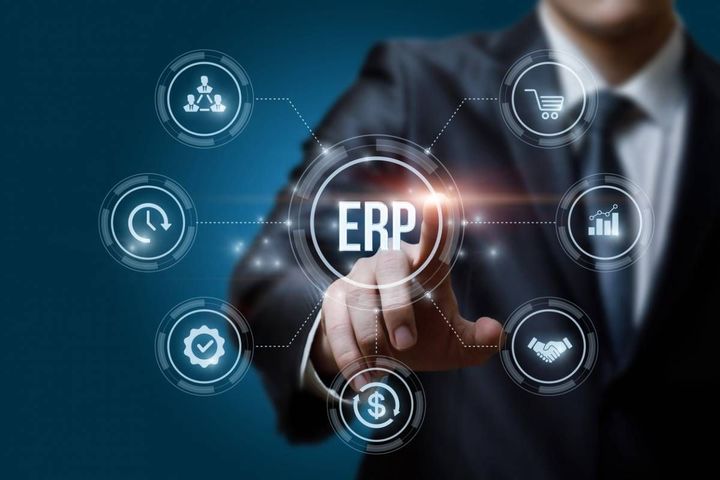
Enterprise Resource Planning (ERP) software refers to integrated enterprise systems designed to manage and coordinate business operations across multiple departments within a single digital platform. ERP systems combine data from finance, accounting, supply chain management, procurement, inventory, manufacturing, and human resources into one centralized database.
Historically, organizations relied on separate software tools for each operational function. Finance teams used accounting software, operations teams used inventory management tools, and HR departments used separate payroll systems. This fragmentation created data silos and reduced visibility across departments.
ERP software emerged to solve these issues by connecting business processes through a unified information system. Modern ERP platforms automate data flows between departments, allowing organizations to track operations, monitor performance metrics, and analyze enterprise data in real time.
Core ERP functionality generally includes:
-
Financial management systems
-
Supply chain management modules
-
Customer relationship management integration
-
Inventory and warehouse tracking
-
Human capital management
-
Procurement and vendor management
-
Business analytics and reporting tools
These systems typically operate through cloud-based infrastructure or enterprise data centers, enabling scalable enterprise technology environments.
ERP platforms are widely used across industries such as manufacturing, healthcare systems, financial institutions, logistics networks, retail operations, and public sector organizations. The primary objective is operational efficiency, accurate data reporting, and improved decision-making.
Why ERP Systems Matter in Modern Organizations
ERP technology has become increasingly important as organizations generate large volumes of operational data. Managing these data streams without integrated enterprise software can lead to inefficiencies, reporting errors, and operational delays.
A centralized ERP platform improves visibility across an organization’s operations by consolidating information into one structured database.
Common operational challenges addressed by ERP systems include:
-
Data fragmentation between departments
-
Manual data entry and reporting errors
-
Limited visibility into supply chain activities
-
Difficulty forecasting demand or resources
-
Delayed financial reporting cycles
By integrating workflows and data pipelines, ERP software supports data-driven decision making and improved enterprise governance.
Below is a simplified comparison of traditional software environments versus ERP-enabled systems.
| Operational Feature | Separate Systems | ERP Integrated System |
|---|---|---|
| Data Storage | Multiple databases | Unified database |
| Reporting | Manual consolidation | Automated reporting |
| Department Communication | Limited integration | Shared information system |
| Process Automation | Low automation | High automation |
| Data Accuracy | Higher risk of errors | Standardized records |
ERP technology also supports business intelligence tools that analyze historical and real-time operational data. These insights help organizations evaluate performance metrics, monitor compliance indicators, and identify operational risks.
As digital transformation strategies continue expanding across industries, enterprise systems like ERP platforms play a critical role in modern IT infrastructure.
ERP Technology Trends and Developments
Over the past year, several developments have influenced the evolution of ERP software platforms. Many organizations are transitioning from legacy on-premise ERP systems to cloud-based enterprise applications.
Cloud ERP adoption accelerated significantly during 2024–2025, driven by the need for scalable infrastructure and remote system accessibility. Cloud architecture allows organizations to deploy ERP platforms without maintaining complex internal server environments.
Key technology trends shaping ERP platforms include:
• Artificial intelligence integration for predictive analytics
• Machine learning models for demand forecasting
• Cloud-native ERP deployment frameworks
• Robotic process automation (RPA) for financial workflows
• API-based integration with third-party enterprise tools
Modern ERP systems increasingly include advanced data analytics dashboards that visualize operational metrics.
Another emerging trend involves modular ERP architecture. Instead of deploying a single large enterprise suite, organizations can implement individual ERP modules that integrate gradually over time.
Industry analysts in 2025 also noted growth in sector-specific ERP platforms designed for industries such as healthcare administration, financial compliance, and supply chain logistics.
Cybersecurity is another area receiving increased attention. ERP vendors have expanded security frameworks including:
-
multi-factor authentication
-
data encryption standards
-
audit logs for compliance monitoring
-
identity access management systems
These features help organizations protect sensitive financial and operational data within enterprise systems.
Regulatory and Compliance Considerations
ERP software itself is not typically regulated as a single product category, but it operates within regulatory frameworks related to data governance, financial reporting, and enterprise cybersecurity.
Organizations that implement ERP platforms must ensure compliance with various regulatory policies depending on their industry and geographic jurisdiction.
Common regulatory areas affecting ERP usage include:
• Financial reporting standards
• corporate governance requirements
• cybersecurity regulations
• data protection and privacy laws
• audit and compliance reporting frameworks
ERP platforms often include compliance management modules that help organizations track regulatory requirements.
For example, financial ERP modules typically support standardized accounting frameworks used for financial reporting and audit preparation. These tools help maintain structured financial records and automated audit trails.
Compliance dashboards within ERP systems often include metrics such as:
| Compliance Metric | Purpose |
|---|---|
| Audit logs | Track system activity |
| Access control reports | Monitor user permissions |
| Financial transaction records | Maintain accounting integrity |
| Data retention tracking | Ensure regulatory storage requirements |
Government agencies and regulatory authorities in many regions have also encouraged digital reporting systems, which has indirectly increased ERP adoption across industries.
Organizations operating in regulated sectors such as finance, healthcare administration, and public services typically rely on ERP software to maintain standardized compliance documentation.
Helpful ERP Tools and Educational Resources
Several digital tools and resources can help organizations understand ERP systems and evaluate enterprise software frameworks.
Educational platforms and enterprise technology documentation often provide ERP training materials, system architecture guides, and analytics tutorials.
Common ERP-related resources include:
• enterprise architecture frameworks
• ERP implementation templates
• financial reporting dashboards
• workflow automation tools
• project planning frameworks for system deployment
Some widely referenced enterprise technology platforms include:
-
SAP ERP documentation portals
-
Oracle enterprise systems knowledge bases
-
Microsoft Dynamics ERP training resources
-
ERP system architecture templates
-
enterprise data analytics dashboards
These resources help IT professionals and business analysts understand ERP implementation strategies and enterprise data management structures.
Organizations often conduct ERP readiness assessments before adopting these systems. These assessments evaluate:
-
existing IT infrastructure
-
data migration complexity
-
department workflow structures
-
system integration requirements
The assessment results help determine which ERP modules may be most relevant for organizational operations.
Frequently Asked Questions About ERP Software
What does ERP software actually do?
ERP software integrates multiple business processes into a unified enterprise platform. It allows organizations to manage finance, inventory, procurement, HR operations, and analytics through a centralized system.
Is ERP software only used by large enterprises?
Although ERP systems were originally designed for large corporations, modern cloud ERP platforms are used by organizations of many sizes. Modular ERP tools allow companies to implement selected features without deploying a full enterprise suite.
How does ERP improve operational efficiency?
ERP platforms automate workflows, reduce duplicate data entry, and provide centralized reporting dashboards. This allows departments to share accurate data and coordinate operations more effectively.
What is the difference between ERP and CRM systems?
ERP systems manage internal business operations such as finance, supply chain management, and inventory. CRM systems focus on customer interactions, sales pipelines, and marketing data. Many ERP platforms integrate CRM modules within the broader enterprise system.
How long does ERP implementation usually take?
ERP deployment timelines vary depending on system complexity, data migration requirements, and organizational size. Large enterprise deployments may take several months, while modular cloud ERP systems can be implemented more gradually.
Conclusion
ERP software represents a foundational component of modern enterprise technology infrastructure. By integrating business operations into a unified information system, ERP platforms help organizations improve data accuracy, automate workflows, and strengthen operational visibility.
As digital transformation continues across industries, ERP systems are evolving with cloud architecture, advanced analytics, and artificial intelligence capabilities. These technologies support more efficient enterprise data management and improved strategic decision-making.
Organizations implementing ERP platforms must also consider regulatory requirements related to financial reporting, cybersecurity, and data governance. Compliance dashboards and structured reporting frameworks built into ERP systems help maintain accurate records and audit transparency.
Understanding ERP software involves examining its technological foundations, operational benefits, compliance considerations, and evolving digital capabilities. As enterprise environments become increasingly data-driven, integrated systems like ERP platforms remain essential for managing complex organizational processes.