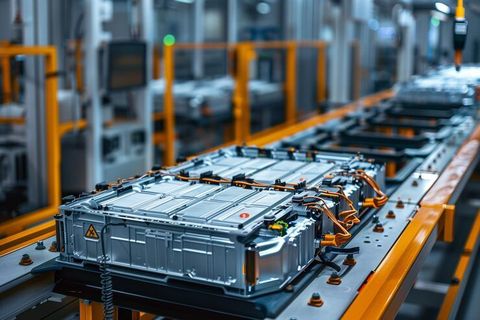
Electric Motor Controllers: Learn About Smart Motor Management Solutions
Electric motor controllers are essential devices used to regulate the operation of electric motors in industrial, commercial, transportation, and residential environments. These controllers manage how motors start, stop, accelerate, decelerate, and maintain speed. By controlling electrical power delivered to a motor, they help improve efficiency, reliability, safety, and overall system performance.
As industries increasingly adopt automation and energy-efficient technologies, electric motor controllers have become a critical component of modern machinery and infrastructure. From manufacturing equipment and conveyor systems to electric vehicles and HVAC installations, motor controllers support precise motion control and optimized energy consumption.
Understanding Electric Motor Controllers
An electric motor controller is an electronic or electromechanical device designed to govern the performance of an electric motor. It acts as an intermediary between the power source and the motor, ensuring that the motor operates according to specific requirements.
Motor controllers can perform several functions, including:
Key Functions
Starting and stopping motors
Regulating motor speed
Controlling torque output
Managing motor direction
Protecting against overload conditions
Monitoring operational performance
Improving energy efficiency
The complexity of a controller varies depending on the application. Simple controllers may only provide basic on-off functionality, while advanced systems can continuously adjust motor performance using sensors, software, and communication networks.
How Electric Motor Controllers Work
Electric motor controllers regulate electrical current and voltage supplied to a motor. The controller receives input commands from operators, sensors, programmable logic controllers (PLCs), or automation systems.
The typical operational sequence includes:
Operating Process
Receiving a control signal
Processing operational requirements
Adjusting voltage or frequency
Delivering controlled power to the motor
Monitoring motor performance
Responding to changing load conditions
Activating protection mechanisms when necessary
Modern controllers often use microprocessors and digital communication technologies to achieve highly accurate control and diagnostics.
Major Types of Electric Motor Controllers
Different motor applications require different control approaches.
| Controller Type | Primary Function | Common Applications |
|---|---|---|
| Manual Starter | Basic motor start and stop | Small machinery |
| Magnetic Starter | Automated motor switching | Industrial equipment |
| Soft Starter | Reduces startup current | Pumps and compressors |
| Variable Frequency Drive (VFD) | Controls speed and torque | Manufacturing systems |
| Servo Controller | Precision motion control | Robotics and CNC equipment |
| DC Motor Controller | Regulates DC motor operation | Electric mobility systems |
| Smart Motor Controller | Advanced monitoring and analytics | Industrial automation |
Each controller type provides unique advantages depending on operational requirements and performance objectives.
Core Components of Motor Controllers
Motor controllers contain several integrated components that work together to regulate motor performance.
Main Components
Power electronics modules
Control processors
Input and output interfaces
Sensors and feedback systems
Protection circuits
Communication modules
Cooling systems
Human-machine interfaces
These components enable accurate control while protecting motors from electrical and mechanical stress.
Importance of Electric Motor Controllers
Motor controllers play a significant role in improving operational efficiency and equipment reliability.
Key Benefits
Reduced energy consumption
Improved process accuracy
Enhanced equipment lifespan
Better operational safety
Reduced maintenance requirements
Lower electrical stress during startup
Improved productivity in automated systems
Many industrial facilities achieve substantial energy savings by implementing advanced motor control technologies, particularly variable frequency drives and intelligent control systems.
Industrial and Commercial Applications
Electric motor controllers are used across numerous industries where controlled motion and power management are essential.
Common Applications
Manufacturing production lines
Conveyor systems
HVAC equipment
Water treatment facilities
Agricultural machinery
Mining operations
Oil and gas installations
Robotics systems
Electric vehicles
Renewable energy equipment
In modern factories, motor controllers often communicate with automation networks to support real-time monitoring and predictive maintenance programs.
Challenges Solved by Motor Controllers
Without proper motor control, systems may experience inefficiencies, mechanical wear, and operational instability.
Common Problems Addressed
Excessive startup current
Energy waste
Speed fluctuations
Motor overheating
Equipment wear and tear
Unexpected shutdowns
Process inconsistency
Limited operational visibility
Advanced motor controllers help organizations maintain stable operations while reducing downtime and maintenance burdens.
Smart Technologies Transforming Motor Control
The motor control industry continues to evolve through digital transformation and intelligent automation.
Emerging Technologies
Internet of Things (IoT) integration
Artificial intelligence diagnostics
Predictive maintenance analytics
Cloud-based monitoring platforms
Edge computing solutions
Digital twin technology
Wireless communication systems
Advanced energy management tools
These innovations enable organizations to monitor motor performance continuously and identify potential issues before failures occur.
Recent Developments and Industry Trends
Several significant developments have influenced the motor controller market during 2025 and 2026.
Recent Trends
Expanded adoption of intelligent motor control platforms
Increased use of energy-efficient variable frequency drives
Growth of electric vehicle motor control technologies
Wider deployment of predictive maintenance systems
Enhanced cybersecurity features for connected industrial equipment
Greater integration with Industry 4.0 environments
Development of compact high-performance power electronics
Increased use of silicon carbide semiconductor technology
Manufacturers are focusing on improving efficiency, reliability, connectivity, and sustainability while supporting advanced automation requirements.
Standards, Regulations, and Compliance
Electric motor controllers must comply with various technical and safety standards depending on their intended use and location.
Common Standards
IEC 60947 low-voltage switchgear and controlgear requirements
IEC 61800 standards for adjustable speed drive systems
NEMA motor control equipment guidelines
UL safety certification requirements
IEC 60204 machinery electrical safety standards
Energy efficiency regulations for industrial equipment
Compliance helps ensure safe operation, equipment compatibility, and consistent performance across industrial environments.
Useful Tools and Learning Resources
Professionals seeking deeper knowledge of motor control technologies can benefit from various educational and technical resources.
Recommended Resources
Manufacturer technical documentation
Industrial automation training programs
Electrical engineering reference manuals
PLC programming courses
Motion control simulation software
Energy management platforms
Industry standards publications
Engineering association learning materials
These resources support understanding of motor control principles, system design, troubleshooting, and optimization techniques.
FAQs
What is the main purpose of an electric motor controller?
An electric motor controller regulates motor operation by controlling starting, stopping, speed, direction, torque, and protection functions. It helps improve efficiency, safety, and performance.
How does a variable frequency drive differ from a soft starter?
A soft starter primarily reduces startup current and mechanical stress during motor startup. A variable frequency drive continuously controls motor speed and torque throughout operation.
Why are motor controllers important for energy efficiency?
Motor controllers optimize power usage by matching motor output to operational requirements, reducing unnecessary energy consumption and improving system performance.
Can motor controllers be connected to automation systems?
Yes. Modern motor controllers often integrate with industrial automation platforms, programmable logic controllers, and monitoring networks for advanced control and diagnostics.
What industries use electric motor controllers?
Motor controllers are widely used in manufacturing, transportation, agriculture, mining, utilities, HVAC systems, robotics, renewable energy installations, and electric mobility applications.
Conclusion
Electric motor controllers are fundamental components in modern electrical and automation systems. They provide the intelligence and control necessary to operate motors efficiently, safely, and reliably across countless applications. By managing speed, torque, startup conditions, and protection functions, these controllers help improve productivity, reduce energy consumption, and extend equipment life.
Advances in digital technologies, intelligent monitoring, predictive maintenance, and connected industrial systems continue to expand the capabilities of motor controllers. As automation and energy efficiency remain priorities across industries, electric motor controllers will continue to play a central role in supporting modern infrastructure, manufacturing processes, transportation systems, and sustainable technological development.