Discover Steel Industry Operations With Industrial Development Facts
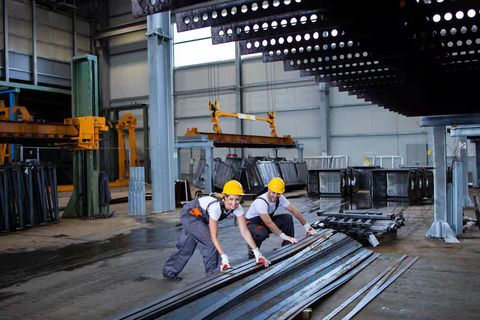
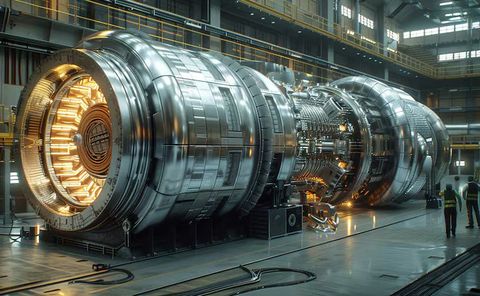
The steel industry is one of the most important sectors supporting modern industrial development, infrastructure expansion, transportation systems, construction projects, and manufacturing operations worldwide. Steel production involves transforming raw materials such as iron ore, recycled metal, and alloying elements into durable products used across many industries. Modern steel operations include mining, material processing, smelting, refining, casting, rolling, and finishing processes designed to produce different grades and forms of steel for commercial and industrial use. Because steel combines strength, durability, and versatility, it remains one of the most widely used engineering materials globally.
This comparison matters internationally because steel production continues influencing economic growth, urban development, energy infrastructure, and industrial modernization across many regions. According to global industrial research, steel demand remains closely connected to transportation expansion, renewable energy systems, manufacturing investment, and large-scale infrastructure projects. As industries continue adopting automation and sustainability-focused technologies, steel producers are also adapting operations to improve efficiency, reduce emissions, and strengthen long-term resource management strategies.
The real-world impact of steel industry operations extends beyond heavy manufacturing alone. Steel is essential for buildings, bridges, vehicles, machinery, pipelines, appliances, renewable energy equipment, and transportation networks used by billions of people worldwide. Production efficiency, supply chain stability, and technological innovation within the steel industry directly influence construction timelines, industrial output, and infrastructure reliability. Understanding how steel operations function helps businesses and individuals make more informed decisions about industrial development and manufacturing trends, which naturally leads into who this industry affects and the common challenges it aims to address.
Who It Affects & Problems It Solves
Steel industry operations affect a wide range of industries and professionals globally. Construction companies rely on structural steel for commercial buildings, bridges, and transportation infrastructure. Automotive manufacturers use steel components for vehicle frames, safety systems, and mechanical parts. Energy industries depend on steel for pipelines, wind turbines, industrial equipment, and power generation systems. Manufacturing facilities, shipbuilding operations, rail transportation systems, and heavy engineering sectors also rely heavily on steel products for durability and operational reliability.
Without strong steel production systems, many industries worldwide would struggle to support infrastructure development, industrial expansion, and equipment manufacturing at large scale. Steel operations help solve these challenges by producing standardized, high-strength materials suitable for demanding industrial applications. Different steel grades are designed for specific purposes, including corrosion resistance, heat tolerance, flexibility, or structural reinforcement. These specialized materials support safer buildings, stronger machinery, and more efficient industrial systems across many sectors.
A common mistake people make is assuming that all steel products are manufactured using identical processes or materials. In reality, steel production methods vary significantly depending on intended applications, alloy composition, and quality requirements. Another issue involves overlooking the complexity of supply chains involved in mining, recycling, refining, and transporting steel materials globally. As industrial demand and environmental expectations continue evolving, steel manufacturers are investing more heavily in cleaner technologies, automation, and advanced production systems, which connects naturally to recent updates shaping the steel industry worldwide.
Recent Updates
Over the past year, global steel industries have increased focus on sustainability and lower-emission manufacturing technologies. Many steel producers are exploring energy-efficient furnaces, hydrogen-assisted production systems, and expanded recycling operations to reduce environmental impact while maintaining industrial output. Sustainability discussions have become increasingly important because steel production is closely connected to broader global efforts aimed at improving industrial energy efficiency and emissions management.
In early 2025, automation and digital monitoring technologies continued expanding across steel manufacturing facilities. Advanced robotics, predictive maintenance systems, and artificial intelligence-based quality monitoring are becoming more common because manufacturers require higher production consistency and operational efficiency. Smart factory systems now help improve equipment monitoring, reduce waste, and support more accurate material processing throughout steel production lines.
Another important development involves growing investment in recycled steel and circular manufacturing systems. Many industrial operators are increasing the use of scrap metal recycling to reduce dependence on raw material extraction and improve resource efficiency. Recycled steel has become increasingly valuable because it supports sustainability objectives while still meeting many industrial quality standards required for construction and manufacturing applications.
At the same time, global infrastructure and renewable energy projects continue influencing steel demand patterns. Wind energy systems, electric transportation infrastructure, industrial automation equipment, and urban development projects all require significant amounts of specialized steel materials. These ongoing developments make it easier to compare different steel production approaches and understand how industrial operations continue evolving internationally.
Comparison Table
The table below compares several common steel production methods and operational characteristics. These comparison factors matter globally because different industries require different balances of efficiency, quality, sustainability, and production scale.
| Production Method | Main Application | Key Advantage | Limitation | Typical Output Scale |
|---|---|---|---|---|
| Blast Furnace Process | Large-scale steel production | High production volume | Higher energy use | Very large |
| Electric Arc Furnace | Recycled steel manufacturing | Strong recycling capability | Electricity dependency | Medium to large |
| Basic Oxygen Furnace | Industrial steel refinement | Fast production speed | Requires molten iron input | Very large |
| Continuous Casting | Steel shaping operations | Improved production efficiency | Equipment complexity | Large |
| Hot Rolling Process | Structural steel products | High shaping flexibility | Surface oxidation risks | Large |
| Cold Rolling Process | Precision steel products | Better surface finish | Higher processing cost | Medium to large |
| Alloy Steel Production | Specialized engineering materials | Enhanced material properties | Complex composition control | Medium |
| Stainless Steel Production | Corrosion-resistant products | Strong durability | Higher material costs | Medium to large |
| Powder Metallurgy | Precision component manufacturing | Material efficiency | Limited large-scale use | Small to medium |
| Recycled Steel Processing | Circular manufacturing systems | Resource conservation | Scrap quality variation | Medium to large |
The comparison table shows that steel manufacturing methods vary significantly depending on operational goals, production scale, and material requirements. Some systems focus on mass production efficiency, while others prioritize recycling, precision finishing, or specialized alloy performance. Understanding these differences creates an important transition into regulations and practical industrial guidance.
Regulations & Practical Guidance
In most countries, steel manufacturing operations are regulated under broader industrial safety, environmental protection, and manufacturing quality standards. Regulatory authorities globally generally require steel producers to follow operational guidelines related to worker safety, emissions management, equipment maintenance, and waste handling practices. Industrial facilities are often expected to maintain strict monitoring procedures because steel production involves high temperatures, heavy machinery, and large-scale material processing systems.
International engineering and manufacturing standards also commonly require steel products to meet performance specifications related to strength, durability, composition, and structural reliability. Most jurisdictions apply operational rules concerning environmental emissions, recycling procedures, and industrial energy usage because steel production can significantly influence resource consumption and environmental conditions. Proper quality testing and certification are especially important for steel used in infrastructure, transportation, and safety-critical applications.
Another important practical consideration involves balancing production efficiency with sustainability goals. Engineers and industrial planners globally emphasize evaluating energy usage, raw material sourcing, recycling integration, and long-term maintenance requirements when developing steel production systems. Facilities are also encouraged to invest in automation, predictive maintenance, and operational monitoring technologies to improve productivity and reduce downtime across manufacturing operations.
Which Option Suits Your Situation?
A large infrastructure or construction project may benefit most from blast furnace or continuous casting production systems because these approaches are commonly optimized for high-volume structural steel manufacturing and industrial-scale output.
An organization prioritizing sustainability and recycled material integration may prefer electric arc furnace operations designed to process recycled steel efficiently while supporting circular manufacturing strategies.
A manufacturer producing corrosion-resistant equipment or food-processing machinery may require stainless steel production systems capable of supporting specialized alloy compositions and long-term durability requirements.
An engineering company producing precision components or advanced industrial machinery may benefit from cold rolling processes or alloy steel production designed for higher accuracy, improved surface quality, and specialized mechanical properties. These industrial considerations naturally connect to the tools and engineering resources available for steel manufacturing and operational planning today.
Tools & Resources
Several globally accessible industrial and engineering resources can help businesses and professionals better understand steel manufacturing operations, material technologies, and industrial development systems.
World Steel Association Educational Resources — provide information related to steel production trends, sustainability efforts, and industrial market developments.
Engineering Toolbox — offers technical references related to metallurgy, heat transfer, and industrial engineering concepts.
Manufacturing Automation Publications — explain robotics, smart factory systems, and industrial process optimization strategies.
Material Property Databases — help engineers compare steel grades, mechanical properties, and industrial material performance characteristics.
Industrial Maintenance Platforms — support equipment monitoring, predictive maintenance planning, and operational efficiency management.
CAD and Engineering Simulation Software — assist with structural analysis, production planning, and manufacturing system visualization.
Industrial Safety Training Resources — provide educational guidance related to heavy manufacturing safety, furnace operations, and equipment handling practices.
These resources support informed industrial planning and stronger engineering decision-making, which naturally leads into the most common questions people ask about steel industry operations and manufacturing systems.
Frequently Asked Questions
What is the steel industry responsible for?
The steel industry is responsible for producing steel materials used in construction, transportation, manufacturing, infrastructure development, machinery, and industrial systems. Steel production supports many sectors globally because of the material’s strength, versatility, and durability across engineering and commercial applications.
Who benefits most from steel manufacturing operations?
Construction companies, automotive manufacturers, infrastructure developers, energy industries, and heavy engineering sectors benefit significantly from steel manufacturing operations. Steel products are essential for buildings, bridges, vehicles, pipelines, industrial equipment, and transportation systems used worldwide.
Are steel manufacturing systems regulated internationally?
In many regions globally, steel manufacturing facilities operate under industrial safety, environmental protection, and engineering quality standards. Producers are generally expected to follow operational guidelines related to emissions management, worker safety, product testing, and resource handling depending on the type of production process involved.
Is recycled steel lower quality than newly produced steel?
A common misconception is that recycled steel is always lower in quality than newly produced material. In reality, recycled steel can often meet strict industrial standards when processed and refined correctly. Many modern manufacturing systems successfully use recycled steel for construction, automotive, and industrial applications.
When should a company upgrade steel production systems?
Organizations may consider upgrading production systems when existing operations become inefficient, environmentally outdated, or unable to meet modern quality and automation requirements. Advanced technologies may improve energy efficiency, production accuracy, predictive maintenance capabilities, and long-term operational sustainability.
Conclusion
Steel industry operations remain essential to modern industrial development because they support infrastructure growth, manufacturing systems, transportation networks, and engineering innovation across many sectors. The most important takeaway is that steel production methods vary significantly depending on operational priorities such as production scale, sustainability, recycling integration, and material performance requirements. Proper process selection and operational planning help improve efficiency, product quality, and long-term industrial reliability.
For most organizations, the best approach involves balancing productivity, environmental responsibility, automation investment, and resource efficiency when evaluating steel manufacturing systems. Facilities that prioritize modernization, predictive maintenance, and sustainable material strategies generally position themselves more effectively for long-term industrial growth.
As global infrastructure development and advanced manufacturing technologies continue evolving, future steel industry operations will likely become even more automated, energy-efficient, and integrated with sustainable production and smart industrial monitoring systems.