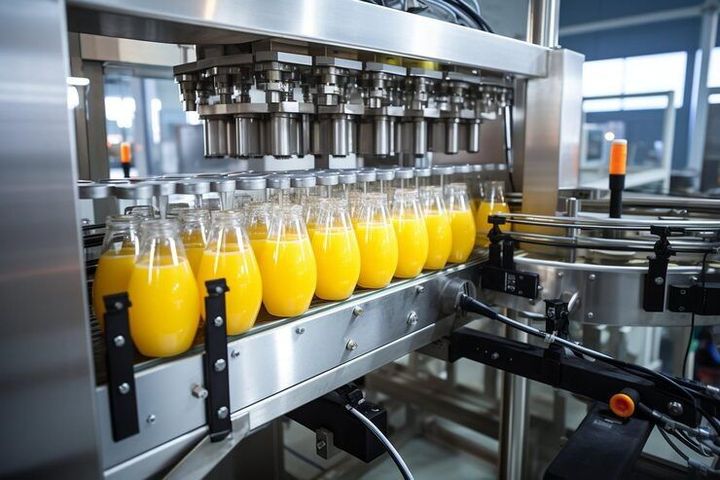
Discover Modern Juice Filling Machine Packaging Systems
Juice filling machines are industrial systems designed to fill liquid beverages into containers such as bottles, pouches, cartons, and cans. These machines are commonly used in beverage manufacturing facilities where speed, hygiene, and accuracy are important parts of production.
The development of automated liquid packaging systems began as beverage demand increased globally. Manual filling methods were often slow, inconsistent, and difficult to manage for large-scale production. As a result, manufacturers introduced automated filling technologies capable of handling high production volumes while maintaining quality standards.
Modern juice filling machines now include several integrated functions such as rinsing, filling, capping, sealing, labeling, and inspection. Many systems also support digital monitoring and automated controls to reduce operational errors and maintain packaging consistency.
Different filling technologies are used depending on the type of juice product. These may include:
- Gravity filling systems
- Piston filling machines
- Vacuum filling technology
- Hot-fill packaging systems
- Aseptic filling solutions
The choice of filling system depends on factors such as liquid viscosity, packaging material, shelf-life requirements, and production capacity.
Why Automated Liquid Packaging Systems Matter Today
The global beverage industry has experienced significant growth due to changing consumer preferences, urbanization, and increasing interest in packaged drinks. Automated juice filling systems help manufacturers respond to this demand efficiently.
One major advantage of automated filling technology is production consistency. Automated systems can fill thousands of containers per hour while maintaining accurate liquid levels. This helps reduce waste and supports quality control requirements.
Food safety is another important factor driving the adoption of advanced filling systems. Beverage packaging environments must remain clean to prevent contamination. Modern machines often use enclosed systems, sterile airflow, and automated sanitation processes to support hygienic production conditions.
Automated liquid packaging systems also help businesses manage operational challenges such as:
| Operational Challenge | Automated Packaging Solution |
|---|---|
| Inconsistent filling levels | Precision volume control |
| Product contamination risks | Hygienic filling environments |
| High production demand | High-speed automation |
| Packaging material variation | Adjustable machine settings |
| Product waste | Accurate filling technology |
These systems affect multiple industries and professionals, including:
- Beverage manufacturing facilities
- Food processing industries
- Packaging technology providers
- Supply chain operations
- Quality control specialists
- Industrial automation sectors
The growing focus on sustainable packaging has also influenced juice filling technology. Many manufacturers are adopting lightweight packaging materials and energy-efficient production systems to reduce environmental impact.
Recent Developments in Juice Filling Technology
During 2025 and early 2026, several developments influenced the liquid packaging and beverage automation industry. Many manufacturers increased investments in smart factory systems and industrial automation platforms.
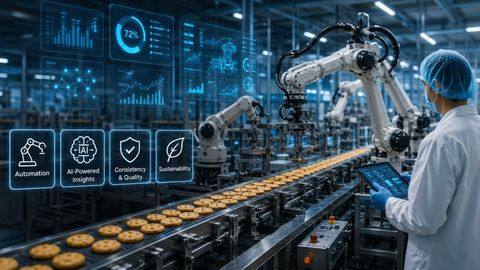
One important trend has been the integration of Industrial Internet of Things (IIoT) technologies into filling equipment. Smart sensors now help monitor machine performance, liquid flow rates, temperature stability, and maintenance schedules in real time.
Another major development is the expansion of aseptic filling technology. Aseptic systems are designed to package beverages in sterile environments without preservatives. This technology became increasingly important in 2025 as demand for healthier beverage products continued to grow.
The packaging industry has also seen increased adoption of robotic handling systems for bottle movement, inspection, and palletizing operations. Automated robotics can improve operational efficiency and reduce manual handling risks.
The following table highlights recent packaging technology trends:
| Recent Trend | Industry Impact |
|---|---|
| Smart sensor monitoring | Improved machine efficiency |
| Aseptic beverage filling | Longer product shelf life |
| AI-based inspection systems | Better packaging accuracy |
| Sustainable packaging focus | Reduced material waste |
| Digital production tracking | Improved operational monitoring |
In late 2025, several food processing sectors also emphasized predictive maintenance systems. These technologies use machine data analysis to identify equipment issues before major breakdowns occur.
Another visible trend involves flexible filling systems capable of handling multiple packaging sizes and formats. Beverage manufacturers increasingly require adaptable machinery to meet changing consumer packaging preferences.
Regulations and Policies Affecting Juice Filling Systems
Juice filling machines operate within strict food safety and packaging regulations. Government agencies in different countries establish standards to ensure beverage safety, hygiene, and product labeling compliance.
In India, food processing operations are influenced by regulations under the Food Safety and Standards Authority of India (FSSAI). Beverage manufacturers must follow hygiene, sanitation, and packaging guidelines during production and filling processes.
Key compliance areas often include:
- Food-grade material usage
- Sanitation and cleaning procedures
- Packaging safety standards
- Product traceability systems
- Labeling accuracy requirements
Internationally, beverage packaging facilities may also follow standards connected to:
- Hazard Analysis and Critical Control Points (HACCP)
- Good Manufacturing Practices (GMP)
- ISO food safety frameworks
- Environmental packaging regulations
Environmental sustainability policies have become increasingly important since 2025. Many governments now encourage industries to reduce plastic waste and improve recyclable packaging adoption.
The following chart explains common compliance focus areas in beverage packaging:
| Compliance Area | Purpose |
|---|---|
| Hygiene regulations | Prevent contamination |
| Packaging standards | Improve product safety |
| Traceability systems | Support product tracking |
| Environmental policies | Reduce packaging waste |
| Equipment inspections | Maintain operational safety |
Automation systems also support compliance by recording production data digitally. These records can help manufacturers maintain transparency and monitor operational quality.
Useful Tools and Resources for Packaging Operations
Several tools and resources support modern liquid packaging operations and industrial automation management. These tools help improve production planning, equipment monitoring, and packaging efficiency.
Commonly used industrial resources include:
- Production monitoring dashboards
- Machine performance tracking software
- Packaging line efficiency calculators
- Preventive maintenance scheduling tools
- Industrial automation learning platforms
- Food safety compliance templates
- Packaging material testing systems
Digital monitoring systems have become increasingly common in beverage facilities. These systems collect real-time data related to filling speed, machine temperature, downtime frequency, and production output.
Industrial simulation software is another useful resource for packaging system planning. Engineers often use simulation tools to analyze production flow and improve equipment layout efficiency before installation.
Training resources are also important because modern filling systems involve advanced automation technologies. Many facilities use technical training programs to help operators understand machine controls, maintenance procedures, and safety protocols.
Key Components of Modern Juice Filling Systems
Modern filling systems contain several integrated components that work together during packaging operations.
Common machine components include:
- Conveyor systems
- Bottle rinsing units
- Liquid filling valves
- Capping mechanisms
- Inspection sensors
- Labeling equipment
- Control panels
- Sterilization units
The control system acts as the central management unit of the production line. Advanced machines often use touchscreen interfaces and programmable logic controllers to monitor operations.
Inspection systems are also becoming more advanced. Many packaging lines now include automated cameras capable of detecting improper filling levels, damaged caps, or label alignment issues.
Frequently Asked Questions About Juice Filling Machines
What is a juice filling machine used for?
A juice filling machine is used to fill liquid beverages into containers such as bottles, cartons, pouches, or cans during industrial packaging processes.
Why are automated filling systems important in beverage manufacturing?
Automated systems improve filling accuracy, maintain hygiene standards, reduce product waste, and support high-speed production requirements.
What is aseptic filling technology?
Aseptic filling technology packages beverages in sterile environments to extend shelf life while reducing contamination risks.
How do food safety regulations affect juice packaging systems?
Food safety regulations require manufacturers to maintain hygienic production conditions, use approved materials, and follow sanitation procedures during beverage processing.
What technologies are becoming common in modern filling systems?
Smart sensors, robotic handling systems, predictive maintenance tools, AI-based inspection systems, and digital monitoring platforms are becoming increasingly common.
Conclusion
Juice filling machines play an important role in modern automated liquid packaging systems. These technologies help beverage industries improve production efficiency, maintain food safety standards, and manage growing consumer demand for packaged drinks.
Recent developments in smart automation, aseptic packaging, and digital monitoring systems continue to shape the future of beverage processing. At the same time, environmental policies and food safety regulations are influencing how manufacturers design and operate packaging facilities.