Discover How Steel Storage Tanks Support Reliable Liquid Storage and Industrial Operations
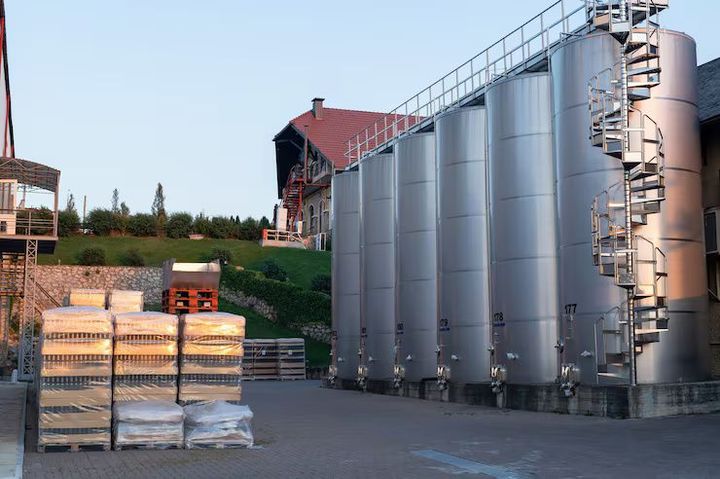
Steel storage tanks are industrial containers designed to safely store liquids, chemicals, water, fuels, and other process materials across a wide range of industries. These tanks are manufactured using durable steel materials that provide structural strength, corrosion resistance, and long-term reliability under demanding operational conditions. Steel tanks are widely used because they support secure storage while maintaining consistent material quality and operational safety.
Globally, the demand for reliable storage systems has increased due to growth in industrial manufacturing, energy production, agriculture, water management, and chemical processing operations. According to industry data, businesses are increasingly investing in advanced storage infrastructure that improves efficiency, safety, and environmental protection. This trend reflects the broader industrial movement toward durable and scalable material handling systems.
In practical applications, steel storage tanks are used in facilities such as manufacturing plants, oil and gas operations, food processing industries, water treatment systems, and agricultural storage sites. Their ability to handle large storage volumes and operate under different environmental conditions makes them essential for industrial continuity and supply management. Understanding how steel storage tanks function and support industrial operations highlights their growing importance in modern infrastructure systems.
Who It Affects & Problems It Solves
Steel storage tanks affect a wide global audience, including industrial manufacturers, utility providers, agricultural businesses, chemical processing facilities, and infrastructure operators. Industries that depend on reliable liquid storage systems rely on steel tanks to maintain stable operations, preserve material quality, and support continuous production processes. Engineers, maintenance professionals, and industrial planners also benefit from understanding storage system technologies.
Without durable storage systems, industries may face issues such as leakage risks, contamination, inconsistent supply management, and reduced operational efficiency. Inadequate storage infrastructure can also increase maintenance costs and create environmental or safety concerns. Steel storage tanks solve these challenges by providing strong containment structures and controlled storage environments for industrial liquids and materials.
A common scenario involves industrial facilities requiring large-scale storage for water, fuel, or processing liquids over extended periods. Using unsuitable storage systems may lead to corrosion, structural instability, or material loss. Steel storage tanks improve reliability by offering reinforced construction and adaptable storage capacities suited for demanding industrial conditions. These operational advantages naturally lead into recent developments shaping storage tank technology and industrial infrastructure systems.
Recent Updates
Over the past year, steel storage tank technology has advanced significantly through improved monitoring systems and material engineering. Modern tanks increasingly use digital sensors to monitor liquid levels, pressure conditions, and structural performance in real time. This helps operators identify maintenance needs early and improve operational safety.
Another important trend is the use of corrosion-resistant coatings and advanced steel alloys. Industry data suggests that manufacturers are focusing on extending tank lifespan while reducing maintenance requirements in challenging industrial environments. These developments support long-term durability and improved storage reliability.
Automation and remote monitoring systems are also becoming more common in large industrial storage operations. Connected monitoring platforms allow operators to track tank conditions and material usage more efficiently, improving inventory management and operational planning.
Additionally, environmental and sustainability considerations are influencing storage system design. Manufacturers are developing containment systems, leak prevention technologies, and energy-efficient insulation methods to improve environmental protection and operational efficiency. These developments provide useful context for comparing different steel storage tank types and their applications.
Comparison Table
The table below compares common steel storage tank types based on operational characteristics and industrial applications.
| Parameter | Above Ground Tank | Underground Tank | Vertical Steel Tank | Horizontal Steel Tank |
|---|---|---|---|---|
| Installation Position | Surface level | Buried installation | Upright structure | Horizontal layout |
| Storage Capacity | High | Moderate to high | Very high | Moderate |
| Space Efficiency | Moderate | High | High | Moderate |
| Inspection Accessibility | Easy | Limited | Easy | Easy |
| Maintenance Complexity | Moderate | High | Moderate | Moderate |
| Common Applications | Water and fuel storage | Fuel systems | Industrial liquid storage | Transport and mobile storage |
| Structural Stability | High | High | Very high | High |
| Installation Cost | Moderate | High | High | Moderate |
| Environmental Protection | Moderate | High | Moderate | Moderate |
| Operational Flexibility | High | Moderate | High | High |
The comparison shows that different tank designs are suited for different storage environments and operational requirements. Vertical tanks support large industrial capacities, while underground systems provide additional environmental protection and space efficiency. Understanding these differences naturally leads into practical guidance and operational considerations.
Regulations & Practical Guidance
In most countries, steel storage tanks are subject to industrial safety and environmental standards. These regulations generally focus on structural integrity, leak prevention, material compatibility, pressure management, and safe installation practices. Following these guidelines helps industries maintain safer and more reliable storage operations.
Globally, there is increasing emphasis on environmental protection and risk management in liquid storage systems. Businesses are adopting secondary containment systems, automated monitoring technologies, and regular inspection programs to reduce the likelihood of leaks or environmental contamination.
Regular maintenance and inspection are also essential for long-term tank performance. Since storage tanks may operate under varying pressure, temperature, and environmental conditions, preventive maintenance helps reduce corrosion, structural wear, and operational risks. Skilled operators and maintenance teams are important for monitoring tank conditions and ensuring safe operation throughout the storage lifecycle.
Which Option Suits Your Situation?
For large industrial facilities requiring high-capacity liquid storage, vertical steel tanks are often the most suitable option. They support efficient space utilization and stable long-term storage performance.
For facilities prioritizing environmental protection or limited surface space, underground tanks may provide practical advantages. These systems help protect stored materials while reducing visible infrastructure requirements.
For operations involving transportation or flexible installation layouts, horizontal steel tanks offer adaptable storage solutions. They are commonly used for mobile or moderate-capacity storage applications.
For businesses managing water treatment, fuel storage, or industrial process liquids, above ground tanks provide easier inspection access and simplified maintenance procedures. Choosing the right tank depends on storage volume, environmental conditions, and operational goals. These considerations naturally lead into useful tools and resources.
Tools & Resources
Several tools and resources can help industrial operators and businesses better understand and manage steel storage tank systems effectively.
Tank Monitoring Software — tracks liquid levels, pressure conditions, and operational performance.
Corrosion Inspection Tools — support structural analysis and preventive maintenance planning.
Maintenance Management Platforms — help schedule inspections and monitor servicing activities.
Industrial Safety Training Programs — provide education on storage system operation and safety practices.
Leak Detection Systems — assist in identifying containment issues and improving environmental protection.
Industry Communities — enable professionals to exchange storage management insights and operational best practices.
These resources support informed storage planning and efficient infrastructure management, leading naturally into frequently asked questions.
Frequently Asked Questions
What are steel storage tanks?
Steel storage tanks are industrial containers designed to safely store liquids, fuels, chemicals, water, and other materials used in industrial and commercial operations.
Why are steel tanks commonly used for liquid storage?
Steel tanks provide durability, structural strength, corrosion resistance, and reliable containment for large-scale industrial storage applications.
What industries use steel storage tanks?
Steel storage tanks are widely used in manufacturing, energy production, agriculture, water treatment, chemical processing, and food production industries.
What is a common misconception about steel storage tanks?
A common misconception is that storage tanks only serve as simple containers. In reality, modern tanks often include monitoring systems, insulation technologies, and safety controls for industrial operations.
How do operators maintain steel storage tank performance?
Operators maintain performance through regular inspections, corrosion monitoring, leak detection, cleaning, structural testing, and preventive maintenance procedures.
Conclusion
Steel storage tanks play a major role in modern industrial infrastructure by supporting reliable liquid storage, material handling, and operational continuity across multiple industries. Their durability and adaptability make them essential for safe and efficient storage management.
For most businesses, selecting the right storage tank involves balancing capacity, environmental protection, installation requirements, and long-term maintenance considerations. Proper inspection and system management help improve operational reliability and reduce storage risks over time.
As global industries continue to expand and modernize, steel storage tank technologies are expected to become more automated, environmentally efficient, and digitally integrated, supporting the future development of advanced industrial storage systems.