Diamond Jewellery Knowledge: Materials, Settings, and Contemporary Trends
Diamond jewellery refers to decorative ornaments that feature diamonds as their primary gemstone. These pieces are crafted for personal adornment, cultural significance, commemorative occasions, and fashion purposes. Diamonds have remained one of the most valued gemstones for centuries due to their durability, brilliance, and versatility.
Diamond jewellery includes rings, necklaces, earrings, bracelets, pendants, and other ornamental pieces. The combination of precious metals and carefully cut diamonds creates designs suitable for both everyday wear and special occasions.
Today, diamond jewellery is available in a wide range of styles, from classic solitaires to contemporary designer collections that incorporate advanced manufacturing techniques and innovative settings.
How Diamond Jewellery Is Structured
The creation of diamond jewellery involves multiple stages, including diamond selection, cutting, grading, setting, and final finishing.
A typical piece consists of:
- A diamond or multiple diamonds
- A metal framework
- A setting mechanism
- Decorative design elements
- Polished finishing
Diamonds are secured using various setting techniques that influence appearance, durability, and light performance.
| Component | Purpose |
|---|---|
| Diamond Stone | Provides brilliance and visual appeal |
| Metal Setting | Holds diamonds securely in place |
| Prongs or Bezel | Protects and positions the stone |
| Band or Chain | Supports the overall structure |
| Finish and Polish | Enhances appearance and comfort |
Why Diamond Jewellery Remains Important
Diamond jewellery continues to hold significance across cultures and generations. It symbolizes celebration, commitment, achievement, and personal expression.
Its importance includes:
- Long-lasting durability
- Timeless aesthetic appeal
- Versatility across fashion styles
- Cultural and ceremonial significance
- Ability to preserve craftsmanship traditions
Many individuals choose diamond jewellery to commemorate milestones such as anniversaries, weddings, graduations, and family celebrations.
Types of Diamond Jewellery
Rings
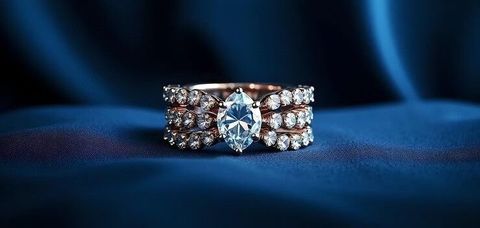
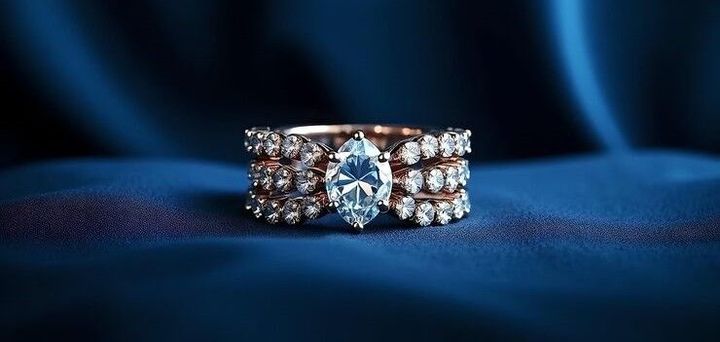
Diamond rings are among the most recognized jewellery categories.
They may feature single diamonds, multiple stones, or intricate settings that emphasize brilliance.
Earrings
Diamond earrings range from simple studs to elaborate drop designs.
They are valued for their versatility and suitability for formal and casual occasions.
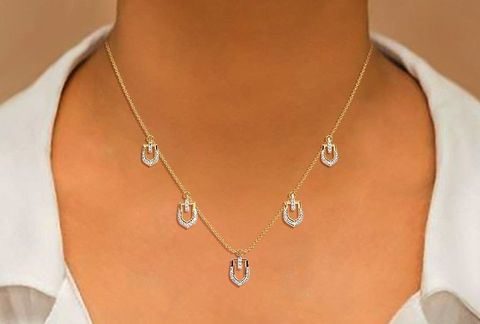
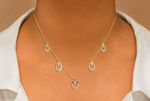
Necklaces and Pendants
These pieces often feature a central diamond or multiple stones arranged in decorative patterns.
They can complement various fashion styles and personal preferences.
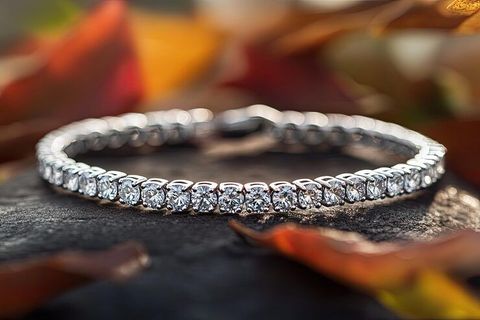
Bracelets
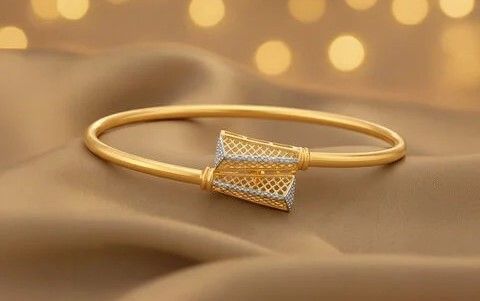
Diamond bracelets incorporate gemstones into chain, bangle, or flexible designs.
They are often worn as statement accessories.
Bridal Jewellery
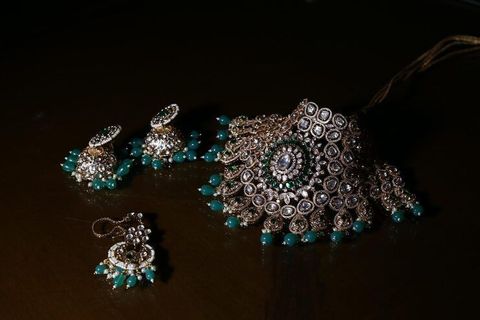
Bridal collections frequently include coordinated sets featuring rings, necklaces, earrings, and bracelets designed for wedding ceremonies and celebrations.
Understanding Diamond Quality
The quality of a diamond is commonly evaluated using the internationally recognized Four Cs.
Cut
Cut determines how effectively a diamond reflects light.
A well-cut diamond exhibits greater brilliance and sparkle.
Color
Diamonds are graded based on the absence of color.
Less color generally indicates higher quality in traditional white diamonds.
Clarity
Clarity measures the presence of internal characteristics or surface features formed during natural creation.
Carat
Carat represents the weight of a diamond.
Larger diamonds typically attract greater attention, though overall appearance depends on all quality factors.
Professional grading laboratories provide certification reports that help standardize quality assessment.
Common Diamond Settings
The setting influences both appearance and protection.
Prong Setting
- Maximizes light exposure
- Highlights the diamond
- Common in engagement rings
Bezel Setting
- Surrounds the diamond with metal
- Provides strong protection
- Suitable for active lifestyles
Pavé Setting
- Uses multiple small diamonds
- Creates a continuous sparkling effect
- Popular in modern designs
Channel Setting
- Diamonds are placed within metal channels
- Offers a clean and contemporary appearance
- Provides additional protection
Halo Setting
- Features a central diamond surrounded by smaller stones
- Enhances visual size and brilliance
- Frequently used in luxury jewellery designs
Real-World Applications and Uses
Diamond jewellery serves various purposes beyond decoration.
Personal Expression
- Many people use jewellery to reflect their personality, style preferences, and cultural identity.
- Diamond pieces are frequently associated with weddings, anniversaries, and formal celebrations.
- Certain jewellery items are passed between generations, preserving sentimental and historical value.
- Fashion designers regularly incorporate diamond jewellery into collections, runway presentations, and luxury accessories.
- Specially designed pieces may commemorate accomplishments, milestones, or significant life events.
Modern Manufacturing and Craftsmanship
The jewellery industry increasingly combines traditional craftsmanship with advanced technology.
Modern production methods include:
- Computer-aided design (CAD)
- 3D modelling
- Precision laser cutting
- Digital gemstone mapping
- Advanced polishing techniques
These technologies allow jewellers to create highly detailed and customized designs while maintaining accuracy and consistency.
Recent Trends and Developments (2025–2026)
The diamond jewellery industry has experienced several notable developments during the past year.
Growing Interest in Lab-Grown Diamonds
Throughout 2025 and early 2026, lab-grown diamonds continued gaining attention due to advancements in production technology and increased consumer awareness. These diamonds possess the same physical and chemical properties as natural diamonds.
Sustainable Jewellery Practices
Manufacturers are increasingly focusing on responsible sourcing, ethical supply chains, and environmental transparency.
Personalized Designs
Customized jewellery featuring initials, meaningful symbols, birthstones, and unique diamond arrangements remains a significant trend.
Mixed Metal Collections
Designers increasingly combine platinum, white gold, yellow gold, and rose gold within single pieces to create contemporary aesthetics.
Smart Design Integration
Advanced design software and precision manufacturing tools have enabled more intricate patterns and highly detailed craftsmanship.
Regulations and Industry Standards
The diamond jewellery sector follows various international standards designed to promote transparency and consumer confidence.
Important areas include:
- Diamond grading standards
- Hallmarking requirements for precious metals
- Consumer protection regulations
- Ethical sourcing guidelines
- Anti-conflict diamond initiatives
The Kimberley Process continues to support efforts aimed at reducing the trade of conflict diamonds through international certification measures.
Many reputable grading organizations also provide detailed certification reports that document diamond characteristics and quality factors.
Useful Tools, Platforms, and Learning Resources
Individuals interested in learning more about diamond jewellery can explore educational resources and professional tools.
Educational Resources
- Gemological Institute educational materials
- Jewellery design publications
- Gemology textbooks
- Industry trade journals
- Museum collections and exhibitions
Professional Tools
- Diamond grading reports
- CAD jewellery design software
- Gemstone analysis equipment
- Digital magnification systems
- Jewellery authentication technologies
Learning Platforms
- Gemology training programs
- Jewellery design courses
- Manufacturing workshops
- Industry certification programs
- Professional jewellery associations
Frequently Asked Questions
What makes diamonds suitable for jewellery?
Diamonds are highly valued because of their exceptional hardness, brilliance, durability, and ability to maintain their appearance over long periods.
What is the difference between natural and lab-grown diamonds?
Natural diamonds form over millions of years within the Earth, while lab-grown diamonds are created using advanced technological processes. Both share the same fundamental physical and chemical properties.
Why is diamond certification important?
Certification provides an independent assessment of a diamond's characteristics, including cut, color, clarity, and carat weight, helping establish transparency and consistency.
Which metal is commonly used with diamond jewellery?
Popular metals include platinum, white gold, yellow gold, and rose gold. Each offers unique visual characteristics and durability.
How should diamond jewellery be maintained?
Regular cleaning, careful storage, and periodic professional inspection help preserve appearance and ensure settings remain secure.
Conclusion
Diamond jewellery continues to represent a unique combination of artistry, craftsmanship, and enduring appeal. From classic rings and elegant necklaces to contemporary designer collections, these pieces serve both decorative and cultural purposes.
Advances in manufacturing technology, growing interest in sustainability, and evolving design preferences have expanded the possibilities available within the jewellery industry. Understanding diamond quality, settings, materials, and industry standards enables individuals to appreciate the craftsmanship behind each piece while recognizing its significance in fashion, heritage, and personal expression.