Construction Materials Guide for Modern Building Projects
Modern construction projects rely on materials that improve durability, efficiency, sustainability, and overall building performance. From residential towers to industrial facilities, the selection of construction materials directly affects safety, energy efficiency, maintenance requirements, and long-term structural strength. Today’s builders and architects focus on modern construction materials that support environmental goals while maintaining quality and design flexibility.
The construction industry has evolved significantly over the last decade. Traditional materials such as concrete, steel, and wood are now being combined with advanced construction materials that offer better thermal insulation, reduced environmental impact, and improved resilience. Understanding the characteristics of different building materials helps project planners make informed decisions for modern building projects.
Understanding Modern Construction Materials
Modern construction materials are designed to meet the changing demands of urban development, environmental standards, and technological innovation. These materials improve structural performance while supporting faster and more efficient construction methods.
Commercial construction materials used in offices, shopping complexes, hospitals, and educational facilities often focus on durability, fire resistance, and energy efficiency. Industrial building materials, on the other hand, prioritize strength, corrosion resistance, and the ability to withstand heavy operational loads.
Some commonly used modern materials include:
- Reinforced concrete
- Structural steel
- Engineered wood
- Fiber cement panels
- Glass composites
- Insulated concrete forms
- Recycled metal products
These materials support modern architectural designs while reducing long-term maintenance concerns.
Importance of Material Selection in Building Projects
Selecting suitable building materials is one of the most important stages in construction planning. Every material contributes differently to the structural integrity, indoor comfort, environmental impact, and appearance of a building.
Premium construction materials are often selected for projects requiring enhanced longevity and aesthetic value. High-performance materials may also improve acoustic insulation, moisture resistance, and thermal control.
Key factors influencing material selection include:
| Factor | Importance in Construction |
|---|---|
| Durability | Helps structures withstand weather and wear |
| Sustainability | Reduces environmental impact |
| Fire Resistance | Improves building safety |
| Energy Efficiency | Supports lower energy consumption |
| Maintenance Needs | Influences long-term upkeep |
| Structural Strength | Ensures building stability |
| Design Flexibility | Supports modern architecture |
The right combination of materials creates buildings that are functional, safe, and environmentally responsible.
Sustainable Construction Materials in Modern Architecture
Sustainability has become a central focus in the global construction sector. Sustainable construction materials are developed to reduce waste, conserve natural resources, and lower carbon emissions during manufacturing and usage.
Builders increasingly use recycled and renewable materials to support environmentally conscious construction practices. Sustainable materials also contribute to better indoor air quality and energy efficiency.
Common sustainable construction materials include:
- Bamboo
- Recycled steel
- Reclaimed wood
- Fly ash concrete
- Recycled plastic composites
- Low-carbon cement
- Cork insulation
These materials help reduce dependence on non-renewable resources while maintaining structural reliability.
Benefits of Sustainable Materials
Sustainable construction materials provide several advantages for modern building projects. One major benefit is reduced environmental impact. Many sustainable materials require less energy during production and generate lower greenhouse gas emissions.
Another important advantage is energy efficiency. Materials with strong thermal insulation properties help maintain indoor temperatures and reduce heating or cooling demands. This supports lower operational energy usage over time.
Sustainable materials also contribute to healthier indoor environments by reducing harmful chemical emissions and improving ventilation performance.
Commercial Construction Materials for Large Projects
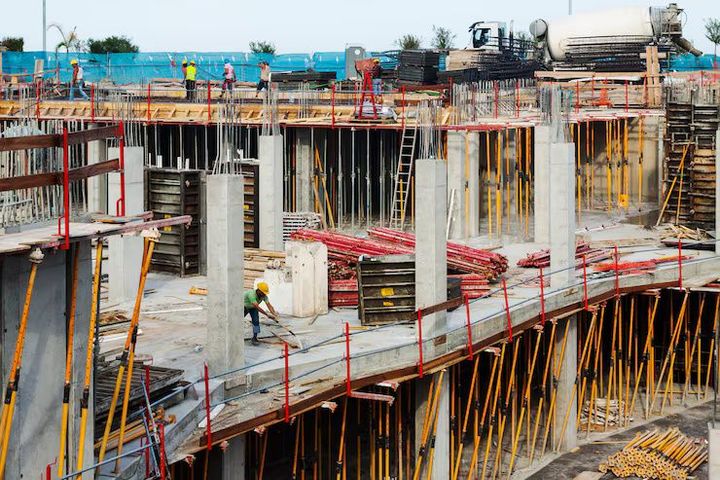
Commercial buildings require materials that can support heavy occupancy, continuous use, and strict safety regulations. Commercial construction materials must provide durability while allowing flexibility in architectural design.
Steel remains one of the most widely used materials in commercial construction because of its strength-to-weight ratio and versatility. Reinforced concrete is also common due to its durability and fire resistance.
Glass is another important material in commercial architecture. Modern glass technologies improve insulation and natural lighting while supporting attractive building exteriors.
Additional materials commonly used in commercial projects include:
- Aluminum framing systems
- Acoustic ceiling panels
- Composite cladding systems
- Precast concrete components
- Fire-resistant drywall
These materials help improve building efficiency, occupant comfort, and long-term reliability.
Industrial Building Materials and Structural Performance
Industrial facilities require highly durable materials capable of handling demanding environments. Industrial building materials are selected based on strength, resistance to chemicals, moisture protection, and operational efficiency.
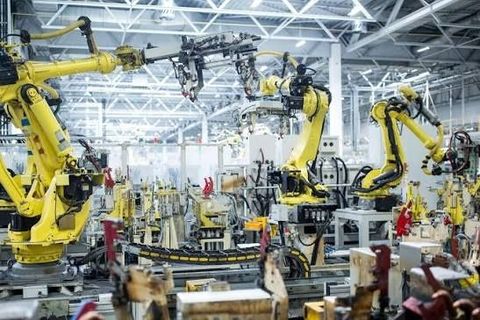
Warehouses, manufacturing plants, logistics centers, and processing facilities often use steel frameworks because they support large open spaces without extensive internal supports. Concrete flooring systems are also essential due to their load-bearing capacity and durability.
Industrial projects commonly incorporate:
- Galvanized steel
- Heavy-duty concrete
- Insulated metal panels
- Corrosion-resistant coatings
- Industrial-grade roofing systems
These materials ensure that facilities remain functional under constant operational stress.
Role of Advanced Construction Materials
Advanced construction materials are transforming the way buildings are designed and constructed. These materials are engineered to improve performance, reduce environmental impact, and increase efficiency.
Examples of advanced materials include self-healing concrete, aerogels, smart glass, and carbon fiber composites. Self-healing concrete can repair minor cracks automatically, extending the lifespan of structures. Smart glass adjusts transparency based on light conditions, improving energy management.
Carbon fiber composites provide exceptional strength while remaining lightweight. Aerogels offer extremely high insulation performance, making them useful in energy-efficient buildings.
The use of advanced materials supports innovation in both commercial and residential construction sectors.
Energy Efficiency and Thermal Performance
Energy efficiency has become a major objective in modern construction. Building materials now play a critical role in regulating indoor temperatures and minimizing energy consumption.
Materials with strong insulation properties reduce heat transfer and improve thermal stability. This helps maintain comfortable indoor conditions throughout the year.
Examples of energy-efficient materials include:
- Insulated concrete forms
- Structural insulated panels
- Double-glazed glass
- Reflective roofing materials
- Mineral wool insulation
These materials contribute to sustainable building practices and help support environmental standards.
Durability and Long-Term Building Performance
Durability remains a key consideration in modern building projects. Construction materials must withstand changing weather conditions, moisture exposure, temperature fluctuations, and long-term wear.
Concrete continues to be valued for its strength and longevity. Steel offers high structural reliability, while engineered wood products provide flexibility and improved resistance to warping.
Weather-resistant coatings and protective treatments also improve material lifespan by reducing corrosion and moisture damage.
Buildings constructed with durable materials generally require less maintenance and maintain structural stability for longer periods.
Smart Technology and Material Innovation
Technological advancements continue to influence the development of building materials. Smart construction materials can interact with environmental conditions and improve overall building performance.
Examples include:
- Phase-change materials for temperature regulation
- Photovoltaic glass for solar energy generation
- Self-cleaning coatings
- Sensor-integrated concrete systems
These innovations improve efficiency and support intelligent building management systems.
Modern construction increasingly combines traditional materials with digital technologies to create more adaptive and sustainable structures.
Challenges in Material Selection
Although modern construction materials provide many advantages, selecting the right materials can still be challenging. Builders must balance performance, sustainability, local climate conditions, and project requirements.
Some advanced materials may require specialized installation techniques or skilled labor. Availability can also vary depending on regional supply chains and manufacturing capabilities.
Project planners often evaluate materials based on:
- Structural requirements
- Environmental impact
- Maintenance expectations
- Local climate suitability
- Regulatory compliance
Careful planning helps ensure that materials align with the long-term goals of the project.
Future Trends in Construction Materials
The future of construction materials will likely focus on sustainability, automation, and resource efficiency. Researchers continue developing materials that reduce environmental impact while improving durability and energy performance.
Biodegradable composites, carbon-negative concrete, and recyclable insulation systems are gaining attention within the industry. Modular construction methods are also influencing material development by encouraging lightweight and prefabricated components.
As urban populations continue to grow, modern construction materials will remain essential for creating resilient, efficient, and environmentally responsible buildings.
Conclusion
Construction materials play a foundational role in every modern building project. From commercial construction materials used in high-rise developments to industrial building materials designed for demanding environments, material selection affects safety, sustainability, and long-term performance.
Sustainable construction materials and advanced construction materials are shaping the future of architecture by improving energy efficiency, reducing environmental impact, and supporting innovative design solutions. Builders and developers who understand the strengths and applications of modern building materials can create structures that meet both present and future construction demands.