Complete Guide to Stone Cutting Machines: Discover Technology, Maintenance Tips, and Practical Knowledge
Stone cutting machines are industrial devices designed to shape, size, and process natural and engineered stone materials such as granite, marble, limestone, sandstone, and quartz. These machines exist to ensure precision, efficiency, and consistency in construction and manufacturing projects where stone materials are required.
Historically, stone shaping was performed manually using chisels and mechanical tools. Over time, industrial cutting equipment evolved to include motorized saws, hydraulic systems, and advanced computer numerical control (CNC) systems. Today, stone fabrication machinery integrates automation, digital measurement, and advanced diamond blade technology to achieve accurate cuts with minimal material waste.
Stone cutting machines are widely used in sectors such as:
-
Construction and infrastructure development
-
Architectural design and interior finishing
-
Monument and sculpture production
-
Road and bridge engineering
-
Industrial stone processing plants
These machines help transform raw stone blocks into slabs, tiles, countertops, and customized structural components.
Why Stone Cutting Machines Matter in Modern Industry
Stone cutting technology plays a critical role in supporting large-scale construction and architectural projects. As urban development expands globally, the demand for durable building materials continues to increase. Stone materials remain popular due to their strength, aesthetic appeal, and long lifespan.
Key reasons why this technology is important today include:
-
Precision engineering: CNC stone cutting systems ensure millimeter-level accuracy.
-
Improved workplace safety: Modern machines reduce manual handling and exposure to dust.
-
Material efficiency: Automated cutting reduces waste and optimizes slab usage.
-
Scalability: Industrial automation enables high-volume processing.
-
Customization: Digital templates allow complex shapes and detailed designs.
Industries and professionals affected by this technology include:
-
Construction engineers
-
Stone fabricators
-
Infrastructure planners
-
Safety compliance officers
-
Industrial equipment operators
Without efficient stone fabrication machinery, project timelines may extend, and material inconsistencies may arise. Advanced machines address these challenges by standardizing production and reducing operational risks.
Types of Stone Cutting Machines and Core Technology
Stone cutting machines vary depending on scale, application, and technology level.
Common categories include:
-
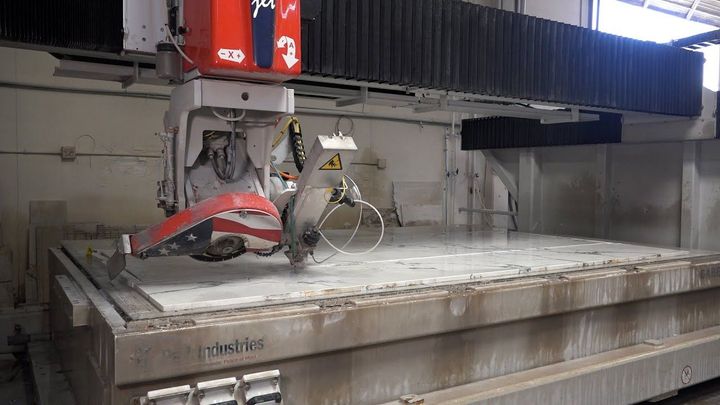
Bridge saw machines
-
CNC stone cutting machines
-
Waterjet cutting systems
-
Multi-blade block cutters
-
Handheld stone saws for small projects
Below is a simplified comparison of major machine types:
| Machine Type | Best For | Technology Used | Precision Level |
|---|---|---|---|
| Bridge Saw | Slab cutting | Diamond blade + motor | High |
| CNC Stone Cutting | Complex designs | Computer numerical control | Very High |
| Waterjet Cutting | Intricate patterns | High-pressure water + grit | Extremely High |
| Multi-Blade Cutter | Bulk block processing | Parallel blades | Moderate |
| Portable Stone Saw | On-site trimming | Manual motorized system | Moderate |
Diamond blade technology remains central to most stone cutting equipment. These blades use industrial-grade diamonds embedded in metal matrices to achieve clean and efficient cuts across dense materials.
CNC stone cutting systems integrate:
-
CAD (Computer-Aided Design) software
-
Digital calibration tools
-
Automated cutting paths
-
Touchscreen control panels
This integration improves workflow accuracy and reduces human error.
Maintenance Practices and Operational Knowledge
Proper maintenance of industrial cutting equipment ensures long-term performance and safety. Neglecting upkeep may lead to blade damage, misalignment, or motor strain.
Important maintenance practices include:
-
Regular blade inspection for wear or cracks
-
Cooling system monitoring to prevent overheating
-
Dust extraction system cleaning
-
Lubrication of moving components
-
Calibration of digital measurement systems
The following maintenance schedule illustrates general industry recommendations:
| Maintenance Task | Frequency |
|---|---|
| Blade inspection | Daily |
| Cooling system check | Weekly |
| Electrical system review | Monthly |
| Full machine calibration | Quarterly |
| Structural inspection | Annually |
Water management is also critical. Many machines use water to suppress dust and cool blades. Maintaining clean water circulation reduces residue buildup and enhances cutting performance.
Operators should receive training in:
-
Machine setup procedures
-
Safety lockout protocols
-
Emergency shutdown procedures
-
Software programming basics
Proper knowledge reduces equipment downtime and improves compliance with occupational safety standards.
Recent Updates and Industry Trends
Over the past year, stone cutting technology has seen notable developments in automation and environmental performance.
In 2025, manufacturers introduced:
-
AI-assisted cutting optimization systems that adjust blade speed automatically
-
Energy-efficient motor systems designed to reduce industrial power consumption
-
Improved dust control mechanisms aligned with updated occupational health guidelines
-
Cloud-based monitoring tools for predictive maintenance
Sustainability has become a focus area. Equipment designers are emphasizing water recycling systems and energy-efficient drives to meet stricter environmental compliance requirements introduced in 2025 across several industrial markets.
Another emerging trend involves digital twin technology. This allows operators to simulate cutting patterns before physical execution, minimizing errors and optimizing raw material usage.
Industrial automation integration continues to grow, especially in large fabrication plants where remote monitoring enhances operational efficiency.
Regulatory Framework and Compliance Considerations
Stone cutting machinery is subject to occupational safety and environmental regulations in most countries. These rules aim to protect workers and minimize environmental impact.
Key regulatory considerations typically include:
-
Workplace safety standards governing machinery operation
-
Dust emission limits and air quality regulations
-
Electrical safety compliance certifications
-
Noise exposure limits
-
Wastewater disposal guidelines
In 2025, several regulatory bodies updated workplace dust exposure limits to address silica-related health risks. As a result, many industrial cutting equipment manufacturers enhanced dust extraction systems and enclosed cutting chambers.
Compliance may require:
-
Certified protective equipment for operators
-
Machine guarding mechanisms
-
Emergency stop systems
-
Routine inspection documentation
Government programs in some regions also promote energy-efficient industrial equipment through sustainability initiatives. These programs encourage adoption of low-emission machinery without referencing specific commercial incentives.
Understanding local safety and environmental policies is essential for legal operation and risk mitigation.
Digital Tools and Professional Resources
Several digital tools support professionals working with stone fabrication machinery.
Useful resources include:
-
CAD design software for pattern creation
-
CNC programming simulators
-
Equipment calibration apps
-
Industrial safety compliance checklists
-
Maintenance tracking templates
Examples of commonly used software categories:
-
Computer-Aided Manufacturing (CAM) systems
-
Industrial automation dashboards
-
Dust monitoring sensors
-
Predictive maintenance analytics tools
Additionally, professional associations publish technical guidelines on safe stone processing, silica dust management, and machine certification standards.
Online educational platforms also provide structured training modules on CNC stone cutting, industrial automation basics, and diamond blade technology.
Safety and Risk Management Overview
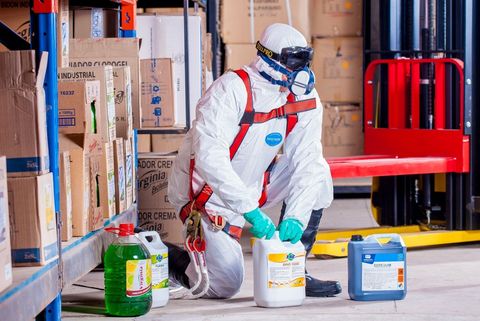
Stone cutting operations involve potential hazards such as dust inhalation, blade contact, and electrical risks.
Effective safety practices include:
-
Wearing certified respiratory protection
-
Using machine guards at all times
-
Ensuring proper grounding of electrical systems
-
Maintaining stable machine foundations
-
Conducting periodic risk assessments
A simplified safety risk table is shown below:
| Risk Factor | Mitigation Strategy |
|---|---|
| Silica dust exposure | Dust extraction + respirators |
| Blade breakage | Routine inspection and replacement |
| Electrical hazards | Grounding and circuit protection |
| Noise levels | Hearing protection equipment |
| Slab handling injuries | Mechanical lifting systems |
Clear documentation and adherence to industrial safety standards significantly reduce workplace incidents.
Frequently Asked Questions
What materials can stone cutting machines process?
Most machines can process granite, marble, limestone, sandstone, quartz, and engineered stone. Capability depends on blade type and motor capacity.
How does CNC stone cutting differ from traditional cutting?
CNC systems use computer programming to guide cutting paths, offering higher precision and complex pattern capabilities compared to manual systems.
Why is water used in stone cutting operations?
Water cools the blade, reduces friction, and suppresses dust particles. It also improves cut quality and blade lifespan.
What is diamond blade technology?
Diamond blade technology uses industrial diamonds embedded in a metal bond to cut dense materials efficiently and accurately.
How often should machines be calibrated?
Calibration frequency depends on usage intensity, but quarterly checks are common in industrial settings to maintain precision.
Conclusion
Stone cutting machines represent a critical component of modern construction, architecture, and industrial manufacturing. From bridge saw systems to advanced CNC stone cutting solutions, these machines enhance accuracy, efficiency, and workplace safety.
Recent advancements in automation, dust control, and energy efficiency reflect the industry's shift toward sustainable and technology-driven operations. Regulatory updates in occupational safety and environmental standards further shape how stone fabrication machinery is designed and operated.
By understanding maintenance requirements, compliance obligations, and digital integration tools, professionals can ensure optimal performance and responsible operation. As infrastructure development continues worldwide, stone cutting technology remains essential for delivering durable and precisely engineered structures.