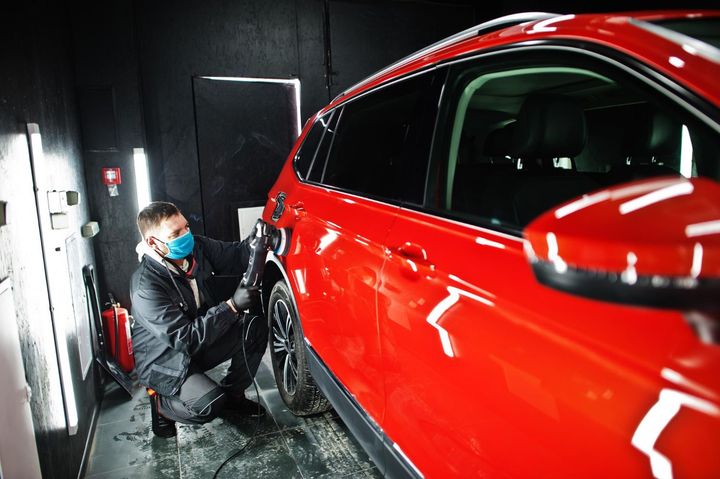
Car Paint Protection Overview: Films, Ceramic Coatings, Facts, Advice, and Maintenance Tips
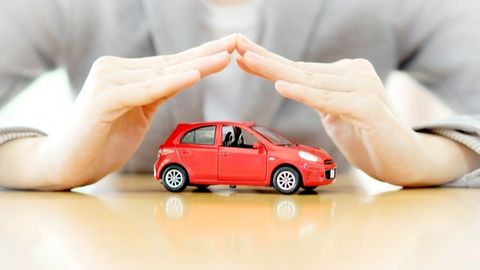
Car paint protection refers to specialized technologies and materials designed to preserve the exterior finish of vehicles. Over time, vehicle paint can be affected by environmental elements such as ultraviolet rays, dust, road debris, and chemical contaminants. To address these challenges, the automotive detailing industry developed protective solutions such as car paint protection film, ceramic coating for cars, and nano ceramic coating for cars.
Understanding Car Paint Protection and Why It Exists
Modern vehicles often feature complex paint finishes that combine multiple layers, including primer, color coat, and clear coat. While these layers provide durability, they are still vulnerable to gradual wear. Protective technologies are applied to enhance the resistance of the paint surface and maintain its visual appearance.
Two of the most widely recognized solutions in automotive care are automotive paint protection film and professional ceramic coating. Paint protection film forms a transparent barrier that shields paint from physical impact, while ceramic coatings create a chemical bond with the vehicle’s clear coat to improve surface durability and water repellency.
The growth of car detailing ceramic coating and paint protection film installation has been influenced by the increasing value of vehicle aesthetics and long-term maintenance awareness among vehicle owners.
Why Car Paint Protection Matters Today
Vehicle ownership has evolved beyond basic transportation. For many people, cars represent a significant investment, and maintaining exterior condition plays an important role in long-term preservation.
Several modern environmental factors contribute to paint degradation:
-
Increased urban pollution
-
Acidic contaminants such as bird droppings or tree sap
-
Sun exposure and UV radiation
-
Road debris and micro-scratches
These factors make protective technologies more relevant today than in earlier decades.
Paint protection film for luxury cars is particularly common because high-end vehicles often feature advanced paint finishes that require careful maintenance. However, these solutions are also used for everyday vehicles because they help reduce paint wear and simplify cleaning routines.
Car paint protection technologies help address issues such as:
-
Surface oxidation from sunlight
-
Minor abrasion caused by dust or washing
-
Chemical contamination from environmental pollutants
-
Water spotting and residue accumulation
As vehicle finishes become more sophisticated, protective coatings and films have become an important part of modern car detailing paint protection practices.
Different Types of Car Paint Protection
Car paint protection technologies generally fall into several categories. Each method offers unique characteristics and applications depending on vehicle use and environmental conditions.
Paint Protection Film (PPF)
Automotive paint protection film is a transparent urethane material applied to painted surfaces. It acts as a physical barrier between the vehicle paint and external elements.
Common characteristics include:
-
Flexible polyurethane structure
-
Transparent finish designed to preserve paint color
-
Resistance to small scratches and road debris
Typical areas where paint protection film installation is applied include:
-
Front bumpers
-
Hood edges
-
Side mirrors
-
Door edges
Ceramic Coating
Ceramic coating for cars is a liquid polymer that chemically bonds with the vehicle’s clear coat. Once cured, it forms a protective layer that improves surface hardness and hydrophobic properties.
Key features include:
-
Hydrophobic water-repelling behavior
-
Increased resistance to chemical contaminants
-
Enhanced gloss and paint clarity
Nano Ceramic Coating
Nano ceramic coating for cars uses microscopic particles that bond tightly with the paint surface. This technology is designed to improve coating durability and enhance resistance to environmental exposure.
Hybrid Protection Systems
Some modern detailing processes combine car detailing ceramic coating with automotive paint protection film. In these systems, paint protection film shields high-impact areas while ceramic coating protects exposed paint surfaces.
Benefits and Applications of Car Paint Protection
Car paint protection technologies offer several practical benefits related to vehicle maintenance and appearance.
Surface Protection
Protective coatings and films reduce exposure of the paint layer to:
-
Dust and dirt particles
-
Road debris
-
Chemical contamination
Hydrophobic Properties
Ceramic coatings create water-repelling surfaces that allow water droplets to slide off easily. This behavior helps reduce water spotting and residue accumulation.
Simplified Cleaning
Vehicles treated with car detailing paint protection often accumulate less surface contamination. As a result, routine washing may require less effort.
UV Resistance
Exposure to sunlight can gradually fade vehicle paint. Professional ceramic coating products often contain compounds designed to improve resistance to UV exposure.
Appearance Preservation
Paint protection technologies help maintain paint clarity and gloss by reducing oxidation and surface damage.
Applications include:
-
Passenger vehicles
-
Commercial fleets
-
Performance vehicles
-
Paint protection film for luxury cars
Leading Companies in the Car Paint Protection Industry
The automotive detailing industry includes several globally recognized manufacturers of paint protection materials and coating technologies.
| Company | Known For | Key Products |
|---|---|---|
| XPEL | Paint protection film innovation | Self-healing automotive films |
| 3M | Automotive surface technologies | Automotive paint protection film |
| Ceramic Pro | Nano ceramic coating technology | Professional ceramic coating |
| LLumar | Window and paint protection films | Automotive PPF solutions |
| Gtechniq | Advanced ceramic coatings | Car detailing ceramic coating products |
These companies focus on research and development related to protective materials used in vehicle detailing and maintenance.
Recent Trends and Updates in the Past Year
The car paint protection industry has experienced several developments between 2024 and early 2026.
Growth of hydrophobic coatings (2025)
Manufacturers introduced advanced hydrophobic coating formulas that improve water beading and resistance to chemical contaminants.
Self-healing paint protection films (2025)
Several manufacturers expanded technologies where heat exposure allows small surface marks on automotive paint protection film to gradually disappear.
Electric vehicle detailing trends (2024–2025)
With the growth of electric vehicles, detailing services increasingly include nano ceramic coating for cars designed to protect specialized paint finishes used by EV manufacturers.
Hybrid coating systems (2025)
Detailing professionals have increasingly adopted layered protection systems combining paint protection film installation with car detailing ceramic coating.
Industry reports also show increasing consumer awareness about long-term vehicle maintenance and paint preservation.
Regulations and Policies Affecting Vehicle Coatings
While paint protection technologies are generally permitted in most regions, several regulations influence their development and use.
Environmental regulations
Many countries regulate the chemical composition of automotive coatings through environmental standards that limit volatile organic compounds (VOCs).
Examples include:
-
Environmental protection guidelines for automotive chemicals
-
Industrial chemical safety regulations
-
Local environmental standards governing detailing products
Manufacturers of professional ceramic coating products must comply with these regulations to ensure safety and environmental compatibility.
Automotive modification rules
Some regions regulate modifications that affect vehicle appearance. Transparent coatings and films are generally allowed because they do not alter structural vehicle components.
Vehicle owners are typically advised to follow local automotive regulations related to coatings and films.
Tools and Resources Related to Car Paint Protection
Several digital tools and educational resources help people understand and manage vehicle paint protection.
Helpful resources include:
Automotive detailing calculators
-
Surface coverage estimators for paint protection film installation
-
Ceramic coating application calculators
Educational websites
-
Automotive detailing knowledge bases
-
Vehicle care resource centers
Mobile apps
-
Vehicle maintenance tracking applications
-
Car detailing record management tools
Industry organizations
-
Automotive detailing associations
-
Car care product research groups
These tools help vehicle owners and detailing professionals monitor paint condition and maintain protective treatments.
Example Comparison of Paint Protection Methods
| Feature | Paint Protection Film | Ceramic Coating |
|---|---|---|
| Protection Type | Physical barrier | Chemical bonding layer |
| Typical Thickness | Relatively thick polyurethane film | Thin nano-scale coating |
| Resistance | Road debris and scratches | Water, chemicals, UV |
| Surface Feel | Flexible film layer | Smooth hydrophobic finish |
| Application Areas | Impact zones | Entire painted surface |
Frequently Asked Questions
What is the difference between paint protection film and ceramic coating?
Paint protection film is a transparent polyurethane layer that protects against physical damage such as stone chips, while ceramic coating forms a chemical bond with the vehicle’s paint to improve water resistance and surface durability.
How long does a nano ceramic coating for cars typically last?
Durability depends on the product formulation, environmental conditions, and maintenance practices. Many coatings are designed to remain effective for extended periods when applied and maintained properly.
Can paint protection film be applied to any vehicle?
Yes, automotive paint protection film can generally be applied to most vehicles. It is often used on high-impact areas such as bumpers, hoods, and mirrors.
Is car detailing ceramic coating suitable for everyday vehicles?
Yes, ceramic coatings are commonly applied to both everyday vehicles and paint protection film for luxury cars as part of general car detailing paint protection practices.
Does paint protection eliminate the need for vehicle maintenance?
No. Protective coatings and films help reduce paint exposure to contaminants, but routine cleaning and proper care remain important for maintaining vehicle appearance.
Conclusion
Car paint protection technologies have become an important part of modern vehicle maintenance. As automotive finishes become more advanced, solutions such as car paint protection film, ceramic coating for cars, and nano ceramic coating for cars help reduce environmental damage and maintain the visual quality of vehicle paint.
From paint protection film installation to professional ceramic coating, these technologies are widely used across different vehicle categories, including passenger cars, commercial vehicles, and luxury automobiles. They provide protective layers that address common challenges such as UV exposure, chemical contaminants, and minor surface abrasion.
Recent advancements, including self-healing films and hybrid protection systems, continue to expand the capabilities of car detailing ceramic coating and automotive paint protection film technologies.
Informational note: Any references to pricing, packages, or durability in the car detailing industry may vary depending on geographic location, vehicle condition, and detailing practices. The information provided here is for general educational purposes and should not be interpreted as specific financial or service estimates.