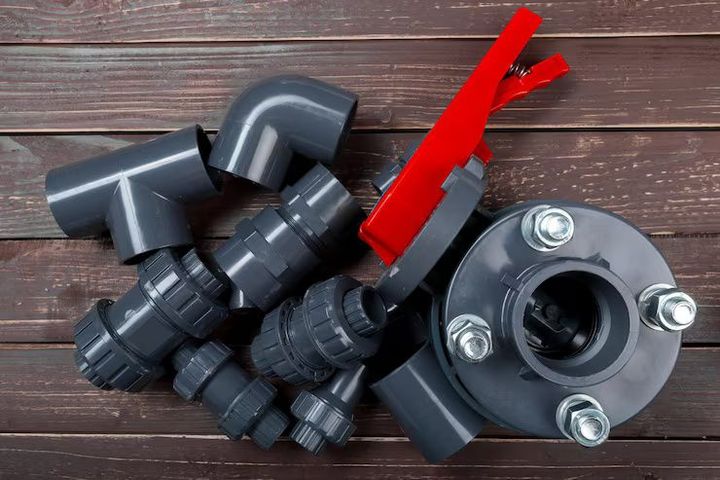
Best Plastic Valve Types Overview With Industrial Flow Insights
Plastic valves are flow-control components used to regulate, direct, or stop the movement of liquids and gases within industrial systems. Unlike traditional metal valves, plastic valves are manufactured using engineered polymers such as PVC, CPVC, polypropylene, and PVDF. These materials are commonly selected because of their corrosion resistance, lightweight structure, and compatibility with many chemical processing applications. Plastic valves are widely used in industries involving water treatment, chemical handling, agriculture, manufacturing, food processing, and industrial fluid management systems.
This comparison matters globally because industrial systems increasingly require cost-effective and corrosion-resistant flow control solutions. According to global manufacturing and industrial research, industries are placing greater emphasis on efficient maintenance, chemical resistance, and long-term operational reliability. As industrial infrastructure expands internationally, companies are evaluating valve materials more carefully to balance performance, environmental conditions, and operating costs. Plastic valves have gained attention because they often provide strong resistance to moisture, chemicals, and harsh operating environments without the weight associated with many metal systems.
The real-world impact of plastic valve selection can be seen across many industrial sectors. Poor valve choices may contribute to leakage, system inefficiency, corrosion damage, downtime, or increased maintenance costs. On the other hand, properly selected plastic valves may help improve fluid handling reliability, simplify maintenance, and support safer industrial operations. Understanding the different valve types and their practical applications helps businesses make more informed engineering decisions, which naturally leads into who these systems affect and the problems they are designed to solve.
Who It Affects & Problems It Solves
Plastic valve systems affect a broad range of industries and professionals globally. Water treatment facilities often use plastic valves because of their resistance to corrosion and chemical exposure. Agricultural irrigation systems commonly rely on lightweight plastic valves for efficient water flow management. Chemical processing plants may use specialized plastic valves when handling aggressive liquids that could damage standard metal components. Manufacturing facilities, laboratories, aquaculture systems, and food-processing operations also depend on reliable valve systems to maintain safe and consistent flow control.
Without suitable valve materials, many industrial systems worldwide may experience corrosion-related failures, maintenance complications, and reduced operational efficiency. Plastic valves help solve these problems by offering resistance to moisture, scale buildup, and many chemical compounds. Their lighter weight may also simplify installation and reduce strain on piping systems. In applications involving aggressive chemicals or humid environments, plastic valves may provide longer service life compared to some traditional materials, depending on operating conditions and pressure requirements.
A common mistake organizations make is selecting valve materials based only on initial cost without evaluating temperature tolerance, pressure compatibility, or chemical resistance. For example, a valve suitable for low-pressure irrigation may not perform effectively in high-temperature industrial processing systems. Another issue involves insufficient maintenance planning, even though plastic valves still require periodic inspection and operational monitoring. As industries place greater emphasis on reliability and operational efficiency, manufacturers continue improving valve designs and material technology, which connects naturally to recent developments shaping industrial flow systems worldwide.
Recent Updates
Over the past year, industrial valve manufacturers globally have increased focus on advanced polymer materials designed to improve durability and chemical resistance. Engineering discussions increasingly highlight the role of reinforced thermoplastics and specialized composite materials in extending valve lifespan within demanding industrial environments. These improvements are especially important for industries handling corrosive fluids or requiring lightweight infrastructure solutions.
In early 2025, sustainability and energy efficiency became more closely connected to industrial flow system discussions. Many organizations are evaluating how lighter plastic valve systems may contribute to reduced transportation weight, simplified installation, and lower maintenance requirements over time. At the same time, manufacturers are exploring recyclable materials and more efficient production methods to align with broader industrial sustainability goals.
Another important development involves the growing use of automation within industrial valve systems. Smart monitoring technologies and automated flow-control systems are increasingly integrated with plastic valves in water treatment facilities, manufacturing plants, and chemical processing operations. These systems may improve operational accuracy while helping organizations monitor pressure, flow rates, and maintenance schedules more effectively.
At the same time, industrial safety and compliance standards continue evolving internationally. Manufacturers and facility operators are placing greater emphasis on proper material compatibility testing, pressure ratings, and system certification requirements. This growing attention to operational reliability and safety makes it easier to compare different plastic valve types and their industrial applications across multiple sectors.
Comparison Table
The table below compares several common plastic valve types used in industrial flow-control systems. These comparison factors matter globally because different industries require different balances of pressure handling, chemical resistance, maintenance access, and operational flexibility.
| Valve Type | Main Function | Common Application | Main Advantage | Limitation |
|---|---|---|---|---|
| Ball Valve | On-off flow control | Water and chemical systems | Fast operation | Limited throttling precision |
| Butterfly Valve | Flow regulation | Large piping systems | Lightweight design | Moderate pressure limits |
| Check Valve | Prevents backflow | Pump systems | Automatic operation | Flow-direction dependent |
| Diaphragm Valve | Precise fluid isolation | Chemical processing | Strong chemical resistance | Moderate pressure handling |
| Gate Valve | Full flow isolation | Industrial pipelines | Low flow restriction | Slower operation |
| Globe Valve | Flow adjustment | Process control systems | Better throttling control | Higher flow resistance |
| Needle Valve | Precision flow control | Laboratory systems | Accurate adjustments | Lower flow capacity |
| Solenoid Valve | Automated control | Industrial automation | Remote operation support | Requires electrical systems |
| Pressure Relief Valve | Pressure protection | Safety systems | Prevents overpressure | Calibration required |
| Foot Valve | Maintains pump priming | Irrigation and pumping | Improves pump efficiency | Requires clean intake conditions |
The comparison table shows that different plastic valve types are designed for very different operational priorities. Some focus on precise flow regulation, while others prioritize backflow prevention, automation, or rapid shutoff capability. Understanding these distinctions creates an important transition into regulations and practical engineering guidance.
Regulations & Practical Guidance
In most countries, industrial valve systems are regulated under broader engineering safety, manufacturing quality, and industrial infrastructure standards. Regulatory authorities globally generally require industrial flow-control components to meet pressure, temperature, and material compatibility requirements appropriate for their intended applications. Certification and testing processes are commonly used to verify valve reliability, especially in systems involving chemicals, pressurized fluids, or critical industrial operations.
International engineering standards also typically require facilities to follow proper installation, maintenance, and inspection procedures for industrial valves. Most jurisdictions have operational guidelines related to leak prevention, pressure management, and material compatibility to reduce safety risks and environmental concerns. Facilities handling hazardous or corrosive materials often apply stricter monitoring procedures because valve failures may disrupt production systems or create operational hazards.
Another important practical consideration involves selecting the correct valve type for the intended operating environment. Engineers globally emphasize evaluating factors such as pressure ratings, fluid compatibility, temperature exposure, maintenance accessibility, and automation requirements before selecting valve systems. Proper sizing and installation practices are also important because even high-quality valves may perform poorly if used outside recommended operating conditions.
Which Option Suits Your Situation?
A water treatment facility or irrigation operation may benefit most from lightweight ball valves or butterfly valves because these systems often provide efficient flow control with relatively simple maintenance requirements. Corrosion resistance is especially valuable in moisture-heavy environments.
A chemical processing plant handling aggressive liquids may prefer diaphragm valves or specialized chemically resistant valve materials. These systems are often selected because they help isolate sensitive fluids while reducing the risk of corrosion-related damage.
An automated manufacturing facility may benefit from solenoid valves integrated with digital control systems. Automated flow management can improve operational consistency while supporting remote monitoring and production efficiency.
Laboratory or precision-processing environments may require needle valves or globe valves for accurate flow adjustments and controlled fluid handling. These systems are often used where precise regulation is more important than maximum flow volume. These engineering considerations naturally connect to the tools and industrial resources available for valve selection and system planning today.
Tools & Resources
Several globally accessible engineering resources can help businesses and technical professionals better understand plastic valves, industrial flow systems, and fluid management planning.
Engineering Toolbox — provides technical references related to fluid dynamics, pressure calculations, and industrial system design.
Flow Control Network — offers educational insights related to industrial valves, pumps, and water treatment technologies.
Valve Magazine Resources — covers industrial valve technologies, maintenance practices, and engineering developments.
CFD Flow Simulation Tools — help engineers analyze fluid movement and system efficiency during industrial design planning.
AutoCAD Plant Design Software — supports industrial piping layouts and engineering system visualization.
Maintenance Management Platforms — assist facilities with inspection scheduling, valve tracking, and preventive maintenance planning.
Industrial Safety Training Resources — provide educational materials related to pressure systems, leak prevention, and industrial operational safety.
These resources support more informed engineering decisions and stronger operational planning, which naturally leads into the most common questions people ask about plastic valve systems.
Frequently Asked Questions
What are plastic valves used for?
Plastic valves are used to control, regulate, or stop the movement of liquids and gases within industrial systems. They are commonly found in water treatment, irrigation, chemical processing, manufacturing, and fluid-handling applications. Many industries use plastic valves because of their corrosion resistance and lightweight construction.
Who benefits most from plastic valve systems?
Industries operating in corrosive or moisture-heavy environments often benefit significantly from plastic valve systems. Water treatment facilities, agricultural operations, chemical processing plants, and laboratories commonly use plastic valves because they may reduce corrosion risks and simplify maintenance compared to some metal alternatives.
Are industrial valve systems regulated internationally?
In many regions globally, industrial valve systems are regulated under engineering safety and manufacturing quality standards. Facilities are generally expected to follow guidelines related to pressure ratings, material compatibility, installation practices, and operational safety. Certification and testing procedures may also apply depending on the industry and application type.
Are plastic valves always better than metal valves?
A common misconception is that plastic valves are automatically superior to metal valves in every situation. In reality, the best material depends on factors such as pressure, temperature, chemical exposure, and operational requirements. Plastic valves may perform very well in corrosive environments, while metal valves may remain preferable for extremely high-pressure or high-temperature systems.
When should a company choose specialized valve types?
Organizations should consider specialized valve types when operating conditions involve unique requirements such as precise flow regulation, automated control, aggressive chemicals, or pressure protection. Selecting the correct valve design helps improve operational efficiency, maintenance reliability, and long-term system performance.
Conclusion
Plastic valve systems play an important role in modern industrial flow management because they offer corrosion resistance, lightweight handling, and application flexibility across many sectors. The most important takeaway is that different valve types are designed for different operational priorities, including flow regulation, isolation, pressure protection, and automation support. Proper valve selection helps improve efficiency, reduce maintenance concerns, and support safer industrial operations.
For most organizations, the best approach involves evaluating operating pressure, chemical compatibility, maintenance needs, and long-term system goals before selecting valve materials and designs. Facilities that prioritize correct engineering specifications and preventive maintenance planning generally experience more reliable flow-control performance over time.
As industrial infrastructure and automation technologies continue evolving globally, future plastic valve systems will likely become even more advanced, efficient, and integrated with digital monitoring and smart industrial control solutions.