Best 5G Phone: Complete Guide to Features, Performance, and Value
The best 5G phone can make a significant difference in everyday digital experiences.
Whether you use your device for streaming videos, online gaming, video calls, photography, or productivity, 5G technology helps deliver faster and more reliable connectivity.
As mobile networks continue to evolve, many people search for the best 5G smartphone that combines strong performance, advanced camera capabilities, long battery life, and excellent overall value. Understanding the key features of modern 5G devices can help users choose a phone that matches their needs and expectations.
This guide explains the essential aspects of 5G phones, how they work, their advantages, and the factors that matter most when comparing different models.
Understanding the Concept
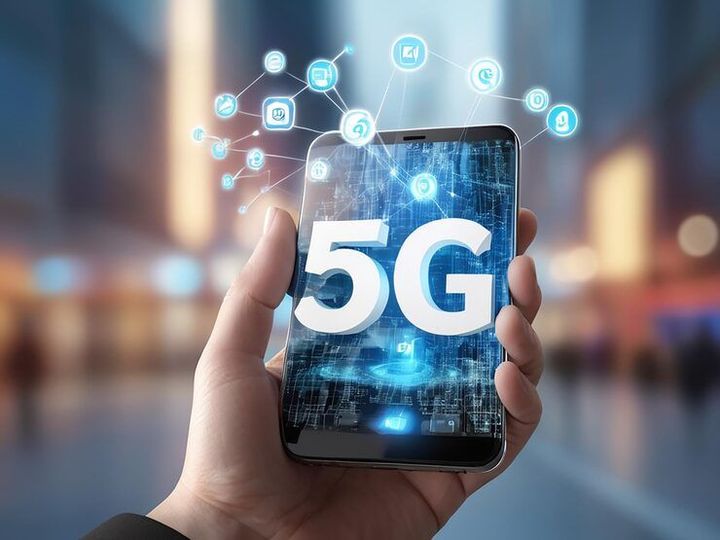
A 5G phone is a smartphone designed to connect to fifth-generation mobile networks. Compared to previous generations, 5G technology provides faster data transmission, lower latency, and improved network efficiency.
Latency refers to the time it takes for data to travel between devices. Lower latency creates smoother experiences during online gaming, video conferencing, and real-time applications.
The best smartphone is not always the one with the highest specifications. Instead, it is the device that delivers a balanced combination of performance, battery efficiency, camera quality, display technology, and connectivity.
Modern flagship phones and premium smartphones often include advanced processors, high-refresh-rate displays, AI camera systems, and enhanced security features that improve the overall user experience.
Key Types or Categories
Several categories of 5G phones are available to meet different user preferences.
Flagship 5G Phones
Flagship phones represent the highest level of smartphone technology.
Common features include:
- Advanced mobile processor
- Premium display technology
- Professional-grade camera system
- High-speed storage
- Enhanced security options
These devices focus on delivering top-tier performance and innovation.
Mid-Range 5G Phones
Mid-range devices balance performance and value.
Typical characteristics include:
- Efficient processor
- Good battery performance
- Quality camera setup
- Smooth display experience
- Reliable connectivity
These phones often meet the needs of most users without requiring premium-level specifications.
Gaming 5G Phones
Gaming-focused smartphones are designed for demanding applications.
Important features include:
- Powerful graphics processing
- High refresh rate screens
- Enhanced cooling systems
- Fast touch response
- Long gaming sessions without performance drops
Camera-Centric 5G Phones
Some smartphones prioritize photography and video recording.
Features may include:
- Multiple camera lenses
- Optical image stabilization
- Night photography capabilities
- AI image enhancement
- High-resolution sensors
Business and Productivity Phones
These devices emphasize productivity and multitasking.
Common advantages include:
- Strong battery endurance
- Large displays
- Secure authentication
- Efficient multitasking
- Productivity-focused tools
Important Subsections
Mobile Processor Performance
The processor acts as the brain of the smartphone.
A powerful chipset improves:
- Application speed
- Gaming performance
- Camera processing
- Battery efficiency
- Multitasking capabilities
Modern mobile processors also support advanced artificial intelligence functions that optimize performance automatically.
Display Technology
Display quality directly affects the user experience.
Popular display features include:
- OLED panels
- AMOLED technology
- High refresh rates
- HDR support
- Enhanced brightness levels
A higher refresh rate creates smoother scrolling and more responsive interactions.
Camera Innovation
Camera technology has become a major factor when evaluating the best 5G phone.
Important camera specifications include:
- Sensor quality
- Lens versatility
- Video recording capabilities
- Image stabilization
- Low-light photography performance
Many modern smartphones use AI-powered image processing to improve photo quality automatically.
Battery Life
Battery performance remains one of the most important considerations.
A strong battery supports:
- Streaming
- Gaming
- Navigation
- Video calls
- Productivity tasks
Fast charging technology also helps reduce downtime during busy days.
How It Works
A 5G phone operates through a series of connected technologies.
Step 1: Network Connection
The smartphone connects to a nearby 5G cellular tower.
This connection allows high-speed data communication between the device and the network.
Step 2: Signal Processing
The phone's modem receives and processes incoming signals.
The modem translates data into usable information for applications, websites, videos, and communication tools.
Step 3: Data Transmission
Information travels through the mobile network at high speeds.
This process supports:
- Video streaming
- Cloud storage access
- Online gaming
- Video conferencing
- Content downloads
Step 4: Device Optimization
The processor manages system resources efficiently.
Tasks such as gaming, photography, browsing, and multitasking are balanced to maintain smooth performance.
Step 5: User Interaction
The display, cameras, speakers, and sensors work together to create a complete smartphone experience.
Every component contributes to overall usability and satisfaction.
Benefits and Advantages
The best 5G phone provides several important advantages.
Faster Connectivity
5G technology enables quicker access to online content.
Users can enjoy:
- Faster downloads
- Smoother streaming
- Improved browsing
- Reduced buffering
Better Gaming Experience
Low latency supports competitive online gaming.
Gamers often experience:
- Faster response times
- Stable connections
- Reduced lag
- Improved multiplayer performance
Enhanced Video Communication
Video calls benefit from improved network speed and stability.
Clearer communication supports remote collaboration, education, and personal conversations.
Improved Productivity
Business users can access files, applications, and cloud-based platforms more efficiently.
This helps support flexible work environments and mobile productivity.
Future Readiness
As 5G coverage expands globally, compatible smartphones remain relevant for longer periods.
This makes 5G connectivity an important feature for long-term smartphone usage.
Real-World Examples or Applications
5G smartphones support a wide variety of everyday activities.
Content Streaming
Users can stream high-definition and ultra-high-definition content with minimal interruptions.
This improves entertainment experiences across multiple platforms.
Mobile Gaming
Competitive mobile games require fast response times and stable connectivity.
A high-performance 5G smartphone helps maintain smoother gameplay sessions.
Photography and Content Creation
Content creators often rely on advanced camera systems and fast connectivity.
They can:
- Capture high-quality images
- Record detailed videos
- Upload content quickly
- Share media efficiently
Remote Work
Professionals frequently use smartphones for communication and productivity.
Common tasks include:
- Virtual meetings
- Document sharing
- Email management
- Calendar organization
Smart Device Connectivity
Many smart home products connect through mobile applications.
A reliable smartphone helps manage:
- Security cameras
- Smart lighting
- Connected appliances
- Home automation systems
Important Factors to Understand
Several factors should be evaluated when choosing the best 5G smartphone.
Processor Capability
A powerful processor supports long-term performance and smooth operation.
Camera Requirements
Different users have different photography needs.
Consider:
- Portrait photography
- Landscape photography
- Video recording
- Night photography
Battery Endurance
Battery performance should align with daily usage patterns.
Heavy users often benefit from larger battery capacities and fast charging support.
Storage Capacity
Storage determines how many applications, photos, videos, and documents can be stored locally.
Users with extensive media collections may require higher storage configurations.
Display Preferences
Display size and quality affect viewing comfort.
Important considerations include:
- Resolution
- Brightness
- Refresh rate
- Color accuracy
Network Compatibility
A phone should support the 5G bands available in the user's region.
Compatibility helps ensure optimal connectivity performance.
Future Trends and Industry Insights
The smartphone industry continues to evolve rapidly.
Advanced AI Integration
Artificial intelligence is becoming more important in smartphones.
Future devices may improve:
- Photography
- Voice interaction
- Battery optimization
- Performance management
Improved Camera Systems
Manufacturers continue developing more sophisticated camera technologies.
Future innovations may include:
- Better zoom capabilities
- Enhanced low-light performance
- Smarter image processing
- Advanced video features
More Efficient Processors
Upcoming chipsets are expected to deliver:
- Greater efficiency
- Better thermal management
- Faster processing speeds
- Improved graphics performance
Expanded 5G Coverage
As network infrastructure grows, more regions will benefit from improved connectivity.
This expansion will support new digital experiences and applications.
Enhanced Device Security
Security remains a major focus for smartphone manufacturers.
Future devices may include stronger authentication methods and improved privacy protections.
Conclusion
The best 5G phone combines fast connectivity, reliable performance, strong battery life, advanced camera technology, and long-term value. While flagship phones often showcase the latest innovations, many mid-range smartphones also deliver excellent everyday experiences.
Understanding processor performance, display quality, battery endurance, camera capabilities, and network compatibility helps users make informed decisions. As 5G networks continue expanding and smartphone technology advances, modern devices will become even more capable and versatile.
Choosing the right 5G smartphone ultimately depends on personal priorities, usage habits, and desired features. A well-balanced device can support communication, entertainment, productivity, and content creation for years to come.