Bearing Maintenance Guide: Overview, Best Practices, and Practical Tips
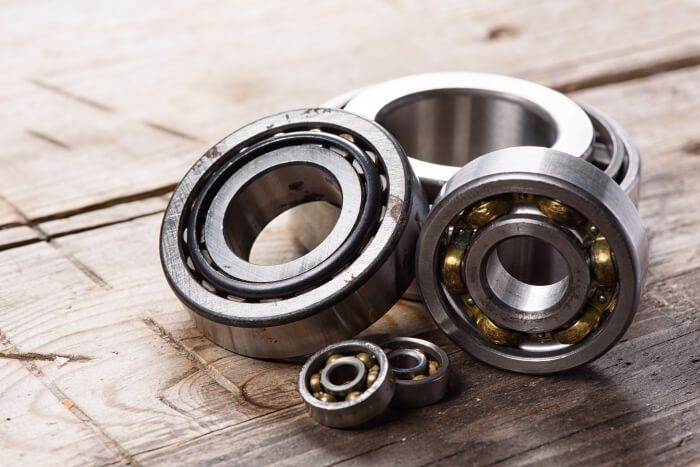
Bearing maintenance refers to the systematic care, inspection, lubrication, and monitoring of bearings used in mechanical systems. Bearings are essential components that reduce friction between moving parts and support rotational or linear motion. Because they operate under load, speed, heat, and environmental stress, bearings naturally experience wear over time.
The concept of bearing maintenance exists to extend equipment life, ensure smooth operation, and reduce unexpected mechanical failure. Without structured maintenance practices, even well-designed machinery can experience reduced efficiency or unplanned downtime. Bearing maintenance applies across industrial equipment, manufacturing systems, power transmission assemblies, rotating machinery, and heavy mechanical setups.
At its core, bearing maintenance focuses on preventive and condition-based actions rather than reactive responses after failure has already occurred.
Why Bearing Maintenance Matters in Modern Operations
Bearing maintenance has become increasingly important as equipment designs grow more complex and operating tolerances become tighter. Modern machinery often runs continuously, at higher speeds, and under variable loads, increasing the demand placed on bearings.
Key reasons bearing maintenance remains critical include:
-
Reduced risk of unexpected equipment stoppage
-
Improved operational reliability and consistency
-
Lower probability of secondary component damage
-
Better energy efficiency due to reduced friction
-
Extended service life of rotating assemblies
Industries that rely on motors, pumps, compressors, conveyors, turbines, and gearboxes are directly affected by bearing performance. When bearings degrade, vibration, heat buildup, noise, and alignment issues often follow, impacting the entire system.
Proper bearing maintenance solves common problems such as premature wear, lubrication failure, contamination ingress, and misalignment, all of which are leading contributors to mechanical breakdowns.
Recent Developments and Trends in Bearing Maintenance
Over the past year, bearing maintenance practices have continued to evolve, driven by reliability engineering, sensor technology, and predictive maintenance models.
In early 2025, condition monitoring systems gained broader adoption, especially vibration and temperature tracking tools integrated into industrial equipment. These systems allow early detection of bearing fatigue, surface damage, or lubrication degradation before failure symptoms become severe.
Another notable trend during mid-2025 has been the increased use of data-driven maintenance planning. Maintenance schedules are now more frequently based on real operating conditions rather than fixed time intervals. This shift reduces unnecessary interventions while improving accuracy.
Environmental considerations have also influenced bearing maintenance methods. Recent updates emphasize cleaner lubrication handling, improved sealing designs, and contamination control practices to reduce material waste and extend bearing usability.
Overall, the focus has moved toward predictive insights, standardized maintenance documentation, and technician skill development.
Regulatory and Policy Considerations Affecting Bearing Maintenance
Bearing maintenance is indirectly influenced by machinery safety regulations, workplace equipment standards, and operational compliance frameworks. While rules vary by region, common principles apply globally.
These policies typically require:
-
Safe operation and maintenance of mechanical equipment
-
Documented inspection and maintenance procedures
-
Risk mitigation for rotating machinery
-
Operator and technician competency standards
International standards organizations publish guidelines related to bearing installation, lubrication, and inspection practices. Equipment manufacturers also issue maintenance documentation that aligns with regulatory expectations for safe and reliable operation.
In regulated environments, bearing maintenance records may be reviewed during audits to verify compliance with mechanical safety and reliability requirements. Proper documentation, routine inspections, and adherence to recommended practices help meet these expectations.
Tools, Resources, and References for Bearing Maintenance
A range of tools and informational resources support effective bearing maintenance. These tools help with inspection accuracy, condition monitoring, and maintenance planning.
Common bearing maintenance tools include:
-
Bearing pullers and mounting sleeves
-
Torque measurement tools
-
Dial indicators for alignment checks
-
Vibration analysis instruments
-
Temperature monitoring devices
Digital and reference resources often used:
-
Bearing life calculation guides
-
Lubrication reference charts
-
Condition monitoring dashboards
-
Maintenance scheduling templates
-
Equipment operation manuals
Example table: Common Bearing Inspection Indicators
| Indicator Type | What It Measures | Maintenance Insight |
|---|---|---|
| Vibration | Rotational irregularities | Early wear or misalignment |
| Temperature | Heat generation | Lubrication or load issues |
| Noise | Surface damage | Raceway or rolling element wear |
| Visual check | Physical condition | Seal damage or contamination |
These tools support informed decision-making and reduce reliance on assumptions or reactive repairs.
Best Practices for Effective Bearing Maintenance
Applying structured best practices ensures consistency and reliability across maintenance activities.
Key best practices include:
-
Keeping bearings clean during handling and installation
-
Using the correct lubrication type and quantity
-
Following proper mounting and dismounting techniques
-
Monitoring operating conditions regularly
-
Storing bearings in controlled environments
Improper handling remains a common cause of early bearing failure. Even minor contamination introduced during installation can significantly reduce bearing life. Clear procedures and trained personnel help mitigate this risk.
Example lubrication reference table
| Bearing Speed | Load Condition | Lubrication Interval |
|---|---|---|
| Low | Heavy | Short, frequent |
| Medium | Normal | Moderate |
| High | Light | Condition-based |
Consistent documentation of maintenance actions also supports long-term reliability analysis.
Practical Tips for Long-Term Bearing Reliability
Small, consistent actions often have the greatest impact on bearing performance over time.
Practical guidance includes:
-
Avoid mixing lubrication types unless compatibility is confirmed
-
Replace seals when signs of wear or leakage appear
-
Check alignment after maintenance activities
-
Monitor changes in vibration patterns rather than absolute values
-
Train personnel on bearing fundamentals and handling
Visual inspections should not be overlooked. Discoloration, scoring, or uneven wear patterns often provide early warning signs that instruments may not immediately detect.
Frequently Asked Questions About Bearing Maintenance
What is the most common cause of bearing failure?
The most common causes include improper lubrication, contamination, misalignment, and incorrect installation practices.
How often should bearings be inspected?
Inspection frequency depends on operating conditions, speed, load, and environment. Condition-based monitoring is increasingly preferred over fixed intervals.
Can bearings operate without lubrication?
Most bearings require lubrication to reduce friction and heat. Operating without adequate lubrication significantly increases wear and failure risk.
What are early signs of bearing problems?
Common early indicators include increased vibration, unusual noise, rising temperature, and changes in operating smoothness.
Is bearing replacement always required when issues appear?
Not always. Early detection may allow corrective actions such as lubrication adjustment, alignment correction, or contamination control.
Conclusion: Building a Reliable Bearing Maintenance Strategy
Bearing maintenance plays a foundational role in mechanical reliability and equipment longevity. By understanding bearing behavior, applying consistent best practices, and using appropriate monitoring tools, organizations can significantly reduce operational disruptions.
Recent advancements emphasize predictive insights, data-based decision-making, and standardized procedures. When combined with proper documentation and adherence to safety expectations, bearing maintenance becomes a proactive discipline rather than a reactive task.
A structured, informed approach ensures bearings continue to perform their intended function efficiently, supporting the broader mechanical system over time.