Alternative Ceramic Coating Solutions With Surface Protection Insights
Alternative ceramic coating solutions refer to protective surface technologies designed to improve durability, resistance, and appearance across automotive, industrial, marine, aerospace, and household applications. Traditional ceramic coatings are commonly known for creating hard protective layers that help resist moisture, chemicals, oxidation, ultraviolet exposure, and surface contamination. However, modern industries and consumers now explore a wider range of alternative coating systems, including graphene coatings, polymer sealants, nano-coatings, hybrid ceramic sprays, and advanced composite surface protectants. These alternatives are often selected based on performance requirements, maintenance expectations, environmental exposure, and application costs.
This comparison matters globally because surface protection technologies continue evolving rapidly across manufacturing, transportation, infrastructure, and consumer care industries. According to global industrial materials research, organizations increasingly prioritize long-term durability, corrosion prevention, and maintenance reduction when selecting protective coating systems. As vehicles, machinery, electronics, and construction materials operate in more demanding environments, advanced coatings have become important for improving lifespan and reducing operational wear. At the same time, consumers are becoming more aware of the differences between marketing claims and actual coating performance.
The real-world impact of ceramic coating alternatives extends far beyond cosmetic appearance alone. Protective coatings may influence equipment lifespan, maintenance frequency, environmental resistance, cleaning efficiency, and long-term operational costs. Poor coating selection may result in premature surface degradation, corrosion, fading, or increased maintenance requirements, while properly matched protective systems may improve durability and preserve surface condition over time. Understanding the differences between coating technologies helps businesses and individuals make more informed decisions about surface protection strategies, which naturally leads into who these solutions affect and the problems they are designed to solve.
Who It Affects & Problems It Solves
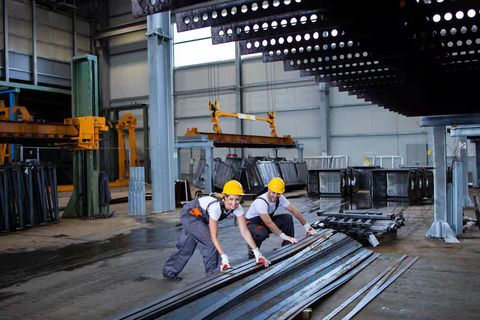
Alternative ceramic coating solutions affect a broad range of industries and users globally. Automotive owners often use surface coatings to improve paint protection, reduce contamination buildup, and simplify cleaning routines. Industrial facilities rely on protective coatings to help shield machinery, pipelines, and structural equipment from corrosion and chemical exposure. Marine operators frequently use advanced coatings to reduce saltwater damage and environmental wear on vessels and equipment. Aerospace, electronics, construction, and manufacturing industries also depend on specialized coatings to improve material durability and reduce maintenance demands under challenging operating conditions.
Without effective surface protection systems, many materials worldwide would experience faster degradation caused by moisture, ultraviolet exposure, chemical contact, abrasion, and environmental contamination. Ceramic coating alternatives help address these concerns by creating protective barriers that may improve water repellency, chemical resistance, heat tolerance, and surface longevity. Some coatings focus on hardness and scratch resistance, while others prioritize flexibility, gloss enhancement, or simplified application processes. These technologies help reduce maintenance effort while supporting longer-lasting surface performance across many industries.
A common mistake organizations and consumers make is assuming that all ceramic coatings provide the same level of protection or durability. In reality, coating performance depends heavily on formulation quality, surface preparation, environmental exposure, and maintenance practices. Another issue involves applying protective products without understanding compatibility with specific materials or operating conditions. As surface engineering technologies continue advancing, manufacturers are investing more heavily in nano-materials, hybrid coating systems, and environmentally conscious formulations, which connects naturally to recent developments shaping protective coating technologies worldwide.
Recent Updates
Over the past year, global coating industries have increased focus on nano-engineered and hybrid surface protection technologies. Manufacturers are increasingly developing coatings that combine ceramic compounds with graphene, silica, or polymer materials to improve flexibility, durability, and water resistance. These hybrid systems are receiving attention because they may balance strong surface protection with easier application and maintenance requirements.
In early 2025, environmentally conscious coating development became more prominent across industrial and automotive sectors. Many companies are now evaluating low-emission formulations, reduced solvent usage, and more sustainable manufacturing methods as environmental standards and sustainability expectations continue evolving internationally. Coating durability is also receiving greater attention because longer-lasting products may help reduce waste and maintenance-related resource consumption over time.
Another important development involves smart coating technology and self-cleaning surfaces. Advanced protective systems are increasingly designed to repel contaminants, reduce heat absorption, or improve resistance to environmental buildup. Some industries are also exploring coatings capable of monitoring wear conditions or improving energy efficiency through reflective surface properties.
At the same time, professional application standards and consumer education have become more detailed. Surface preparation, curing procedures, and maintenance practices are now more widely recognized as major factors influencing coating effectiveness. These ongoing developments make it easier to compare alternative ceramic coating solutions and understand how different systems support durability, maintenance reduction, and long-term surface protection.
Comparison Table
The table below compares several common alternative ceramic coating solutions and their operational characteristics. These comparison factors matter globally because different industries and users prioritize different balances of durability, appearance, maintenance effort, and environmental resistance.
| Coating Type | Main Application | Key Advantage | Limitation | Typical Durability |
|---|---|---|---|---|
| Traditional Ceramic Coating | Automotive and industrial surfaces | Strong hardness protection | Professional preparation often needed | High |
| Graphene Coating | Automotive and electronics | Enhanced heat resistance | Higher application cost | High |
| Polymer Sealant | Consumer surface care | Easy application process | Shorter protection period | Moderate |
| Nano Coating | Electronics and glass | Thin protective barrier | Specialized formulation needs | Moderate to high |
| Hybrid Ceramic Spray | Consumer vehicle care | Quick maintenance support | Lower long-term durability | Moderate |
| Epoxy Coating | Industrial flooring | Chemical resistance | Reduced flexibility | High |
| Polyurethane Coating | Outdoor structures | UV resistance support | Surface preparation important | High |
| Powder Coating | Metal protection | Durable finish quality | Heat curing required | High |
| Fluoropolymer Coating | Industrial processing | Strong chemical resistance | Specialized application | Very high |
| Silicone-Based Coating | Heat-sensitive systems | Temperature flexibility | Lower hardness protection | Moderate |
The comparison table shows that protective coating technologies are designed for different operational environments and durability priorities. Some coatings emphasize hardness and chemical resistance, while others focus on flexibility, simplified application, or heat management. Understanding these differences creates an important transition into regulations and practical coating guidance.
Regulations & Practical Guidance
In most countries, industrial and consumer coating systems are regulated under broader chemical safety, environmental protection, and manufacturing quality standards. Regulatory authorities globally generally require coating manufacturers to follow safety guidelines related to chemical composition, labeling practices, workplace exposure, and environmental impact. Specialized industries such as aerospace, food processing, and industrial manufacturing often apply stricter material certification and performance testing standards because coating reliability directly affects operational safety and equipment durability.
International industrial standards also commonly require facilities to follow proper storage, handling, and application procedures for protective coatings. Most jurisdictions have operational rules related to solvent emissions, hazardous material management, and workplace ventilation during coating application processes. Proper curing conditions and maintenance procedures are especially important because even advanced coatings may perform poorly if preparation or application methods are inadequate.
Another important practical consideration involves selecting coating systems based on actual operating conditions rather than marketing claims alone. Engineers and surface protection specialists globally emphasize evaluating factors such as temperature exposure, moisture levels, ultraviolet exposure, abrasion risk, and chemical contact before choosing coating technologies. Regular maintenance and surface inspection practices are also important because environmental stress may gradually affect coating performance over time.
Which Option Suits Your Situation?
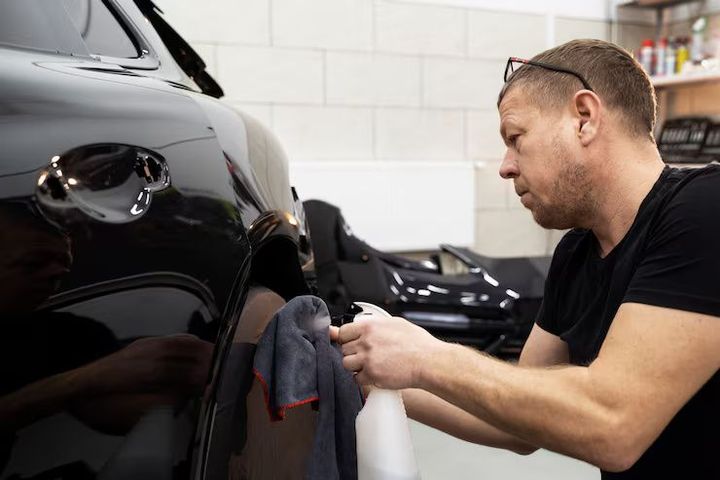
An automotive owner seeking long-term paint protection may benefit most from traditional ceramic or graphene-based coating systems designed for improved water repellency, gloss retention, and contamination resistance. These coatings are commonly selected for vehicles exposed to varying environmental conditions.
An industrial facility handling chemical processing or heavy equipment may require epoxy or fluoropolymer coatings because these systems are often optimized for corrosion resistance and demanding operational environments.
A consumer looking for easier maintenance and simplified application may prefer hybrid ceramic sprays or polymer sealants. These products are often selected for convenience and routine surface care rather than maximum long-term durability.
An outdoor infrastructure or construction project may benefit from polyurethane or powder coating systems designed to support ultraviolet resistance and environmental durability. These coating technologies are commonly used where long-term weather exposure is a major operational factor. These practical considerations naturally connect to the tools and resources available for coating selection and surface maintenance planning today.
Tools & Resources
Several globally accessible engineering and maintenance resources can help businesses and consumers better understand coating systems, surface protection strategies, and durability planning.
Engineering Toolbox — provides technical references related to material protection, environmental exposure, and industrial engineering concepts.
Coatings World Publications — explain industrial coating trends, protective material technologies, and manufacturing developments.
Surface Preparation Training Resources — offer educational guidance related to cleaning, curing, and application practices for protective coatings.
Material Compatibility Databases — help users evaluate coating performance under different chemical and environmental conditions.
Industrial Maintenance Platforms — support inspection scheduling, maintenance tracking, and operational planning for protected equipment.
Automotive Detailing Education Resources — provide information related to paint care, ceramic coating maintenance, and surface preparation techniques.
Environmental Safety Training Materials — explain safe handling practices and workplace protection standards related to coating application processes.
These resources support informed surface protection decisions and stronger maintenance planning, which naturally leads into the most common questions people ask about alternative ceramic coating solutions.
Frequently Asked Questions
What are alternative ceramic coating solutions?
Alternative ceramic coating solutions are protective surface technologies designed to improve durability, water resistance, chemical protection, and surface longevity. These may include graphene coatings, polymer sealants, nano-coatings, hybrid ceramic sprays, epoxy systems, and other advanced protective materials used across automotive, industrial, and consumer applications.
Who benefits most from protective coating systems?
Automotive owners, industrial facilities, marine operators, manufacturers, and infrastructure projects often benefit significantly from protective coatings. These systems may help reduce corrosion, surface wear, contamination buildup, and maintenance requirements while improving long-term material durability and appearance.
Are coating products regulated internationally?
In many regions globally, coating systems are regulated under broader chemical safety, workplace protection, and environmental standards. Manufacturers are generally expected to follow guidelines related to labeling, material composition, emissions control, and safe handling practices depending on the coating type and intended application.
Are all ceramic coatings equally durable?
A common misconception is that every ceramic coating provides identical durability and protection. In reality, coating performance depends on formulation quality, surface preparation, environmental conditions, and maintenance practices. Some coatings are optimized for hardness and chemical resistance, while others prioritize flexibility, gloss enhancement, or simplified application.
When should a protective coating be reapplied?
Reapplication timing depends on coating type, environmental exposure, maintenance quality, and operating conditions. Some advanced coatings may last for extended periods under proper maintenance, while consumer-grade products may require more frequent application. Regular surface inspection often helps identify signs of wear, contamination buildup, or reduced water repellency.
Conclusion
Alternative ceramic coating solutions play an important role in modern surface protection because they help improve durability, reduce maintenance requirements, and support long-term material performance across many industries. The most important takeaway is that different coating technologies are designed for different operational priorities, including chemical resistance, heat management, gloss retention, flexibility, and environmental protection. Proper coating selection and maintenance help improve reliability and reduce surface degradation over time.
For most individuals and organizations, the best approach involves evaluating operating conditions, maintenance expectations, and material compatibility before selecting a protective coating system. Facilities and consumers that prioritize correct surface preparation and realistic durability expectations generally achieve stronger long-term protection outcomes.
As material science and industrial surface engineering continue evolving globally, future coating technologies will likely become even more sustainable, intelligent, and integrated with advanced protective performance monitoring systems.