Wooden Smart Furniture for Modern Space Saving Homes
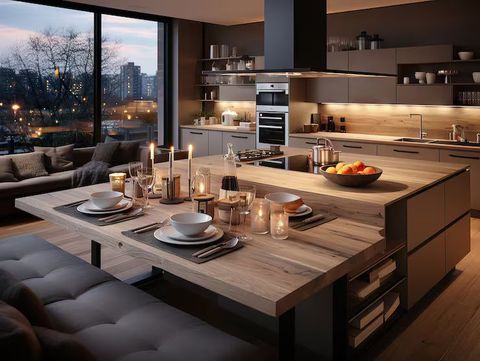
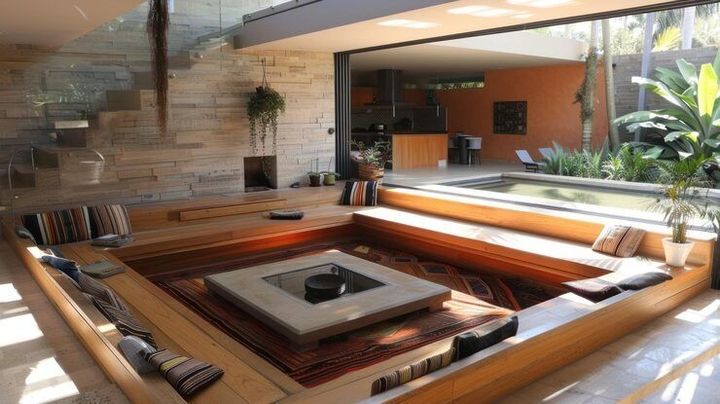
Wooden smart home furniture refers to modern furniture designed with functionality, technology integration, and space optimization in mind. These furniture designs combine natural wooden materials with practical features such as hidden storage, modular layouts, foldable structures, and multi-purpose use.
As urban homes become smaller and lifestyles become more flexible, furniture design has changed significantly. Traditional furniture mainly focused on appearance and basic use, while modern smart furniture focuses on adaptability, convenience, and efficient use of space.
Wood continues to remain one of the most widely used materials in furniture manufacturing because it offers durability, natural texture, and long-term usability. Smart furniture concepts use engineered wood, sustainable timber, and modern design techniques to create furniture suitable for apartments, compact homes, remote work environments, and family living spaces.
Common examples include:
- Foldable wooden dining tables
- Wall-mounted study desks
- Beds with hidden storage
- Modular wooden shelving systems
- Convertible sofa beds
- Compact wooden workstations
These furniture solutions exist because many households now require interiors that support multiple daily activities within limited space. Homes are no longer used only for relaxation. They now function as workplaces, study areas, entertainment zones, and wellness spaces.
Why Smart Wooden Furniture Matters Today
Modern living patterns have increased the demand for efficient furniture layouts. Growing urban populations and smaller residential spaces have encouraged people to focus more on organization and practical home planning.
Wooden smart furniture helps address several modern challenges.
| Modern Challenge | Furniture Solution |
|---|---|
| Limited apartment space | Foldable and modular furniture |
| Remote work needs | Compact workstations |
| Home organization | Hidden storage compartments |
| Multi-purpose rooms | Convertible furniture designs |
| Sustainable living awareness | Long-lasting wooden materials |
One important reason for its popularity is flexibility. Many families need furniture that can adapt throughout the day. A dining area may also function as a workspace, while a guest room may serve as a study area.
Wooden smart furniture also supports better space management in growing cities where residential sizes are becoming more compact. Students, professionals, families, and older adults all benefit from organized interiors that improve accessibility and movement.
Another important factor is sustainability awareness. Wooden furniture made from responsibly managed resources often has a longer lifespan compared to temporary furniture materials. Consumers increasingly prefer furniture that balances functionality and environmental responsibility.
The rise of digital lifestyles has also influenced interior design trends. More households now include charging stations, cable management systems, adjustable work surfaces, and technology-friendly layouts within furniture structures.
Space-Saving Ideas for Modern Homes
Modern furniture planning focuses on maximizing available space without creating visual clutter. Smart wooden furniture supports this goal through creative layouts and efficient storage integration.
Some useful space-saving ideas include:
Vertical Storage Design
Vertical shelving systems use wall height rather than floor space. This approach is useful in smaller apartments and studio homes where open floor areas are limited.
Benefits include:
- Better room organization
- Easier accessibility
- Reduced furniture crowding
- Improved visual balance
Multi-Functional Furniture
Furniture designed for multiple purposes helps reduce unnecessary household items.
Examples include:
- Wooden benches with storage compartments
- Foldable tables for dining and work
- Beds with under-frame drawers
- Stackable wooden stools
Modular Furniture Layouts
Modular furniture allows users to rearrange components based on changing needs. These systems are especially useful in modern family homes and flexible workspaces.
Popular modular furniture features include:
- Expandable shelves
- Adjustable seating layouts
- Reconfigurable storage units
- Detachable workspace sections
Compact Home Office Integration
Remote and hybrid work trends have increased interest in home office furniture. Compact wooden desks with cable organizers and storage shelves help maintain cleaner work environments.
Minimalist Interior Planning
Minimalist furniture design focuses on simplicity, neutral tones, and reduced clutter. Wooden textures often support this design style because they create warmth without overwhelming the room visually.
Recent Trends and Developments
The smart furniture industry has experienced several design and manufacturing changes during the past year.
In 2025 and early 2026, furniture trends increasingly focused on sustainability, modularity, and smart living compatibility.
The following table highlights recent developments.
| Trend | Description |
|---|---|
| Sustainable Wood Use | Increased use of recycled and certified wood materials |
| Compact Urban Design | More furniture created for small apartments |
| Hybrid Workspace Furniture | Greater focus on home office integration |
| Minimalist Aesthetics | Simple wooden textures and neutral finishes |
| Smart Technology Compatibility | Furniture supporting charging and cable management |
Furniture manufacturers and interior designers have also explored adaptable layouts for changing lifestyles. Homes are expected to support work, education, entertainment, and relaxation simultaneously.
Another recent trend is the use of engineered wood materials designed for durability and lightweight construction. These materials help improve portability and easier assembly.
Interest in eco-friendly interiors has also grown significantly since 2025. Consumers increasingly prefer furniture designed for long-term use rather than short replacement cycles.
Interior planning trends now emphasize:
- Natural lighting compatibility
- Open-space furniture placement
- Flexible room arrangements
- Sustainable interior materials
- Organized storage systems
Government Rules and Furniture Regulations
Furniture manufacturing and smart home products are influenced by safety standards, environmental policies, and sustainability regulations in many countries.
Wooden furniture products may be affected by rules related to:
- Sustainable forestry management
- Indoor material safety
- Fire resistance standards
- Chemical treatment regulations
- Import and export compliance
Many countries encourage the use of responsibly sourced timber through environmental certification systems. These frameworks aim to reduce illegal logging and support sustainable forest management practices.
In regions with urban housing policies, compact furniture solutions are sometimes promoted indirectly through modern housing design standards and space-efficient architecture.
Energy efficiency policies and green building frameworks may also influence furniture design trends. Smart furniture integrated with energy-conscious home systems is becoming more common in modern residential planning.
Consumers are also becoming more aware of indoor air quality standards. As a result, furniture manufacturers increasingly focus on low-emission materials and safer finishing processes.
Furniture labeling systems in several countries now provide information about:
- Material sourcing
- Sustainability certifications
- Manufacturing standards
- Product durability
- Safety compliance
Helpful Tools and Learning Resources
Several digital tools and educational resources can help people understand furniture planning and smart interior layouts more effectively.
Useful categories include:
Interior Planning Applications
Room visualization tools help users plan furniture placement before rearranging spaces. These tools often include:
- 3D room layouts
- Measurement planning
- Space visualization
- Furniture arrangement simulation
Home Measurement Calculators
Measurement calculators help estimate:
- Furniture spacing
- Walking clearance
- Room dimensions
- Storage capacity
Organization Templates
Home organization templates support better room management and storage planning. These resources are commonly used for:
- Closet organization
- Workspace arrangement
- Small apartment planning
- Furniture layout mapping
Sustainability Education Platforms
Educational platforms discussing sustainable materials and eco-friendly interiors help users understand responsible furniture choices.
Topics often include:
- Wood material knowledge
- Sustainable forestry concepts
- Furniture maintenance
- Interior design basics
Smart Home Integration Resources
Modern homes increasingly use connected technologies. Learning resources related to smart home compatibility explain how furniture supports:
- Cable organization
- Device placement
- Workspace efficiency
- Smart lighting arrangements
Frequently Asked Questions
What makes furniture “smart” in modern homes?
Smart furniture usually includes features that improve functionality, organization, or flexibility. Examples include foldable structures, modular layouts, hidden storage, and technology-friendly design elements.
Why is wooden furniture popular in modern interiors?
Wooden furniture remains popular because it offers durability, natural appearance, and compatibility with different interior styles. It also supports minimalist and sustainable design trends.
Is smart furniture suitable for small apartments?
Yes. Smart furniture is especially useful in compact living spaces because it helps maximize storage and reduce clutter through multi-purpose functionality.
What are modular wooden furniture systems?
Modular furniture systems consist of separate components that can be rearranged or expanded based on room size and changing household needs.
How does smart furniture support modern work-from-home lifestyles?
Modern furniture designs often include compact desks, storage sections, cable organization systems, and flexible layouts that help create efficient home workspaces.
Conclusion
Wooden smart home furniture reflects the changing needs of modern living. As homes become more compact and multifunctional, furniture design continues to focus on flexibility, organization, and practical use of available space.
The combination of wooden materials with smart design concepts supports both functionality and visual simplicity. Features such as modular layouts, hidden storage, and adaptable furniture structures help households manage modern daily routines more effectively.