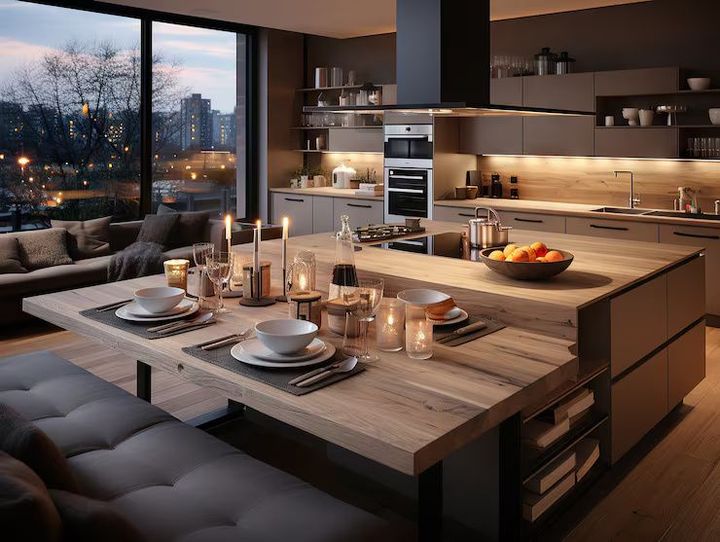
Modular Kitchen Design for Smart Modern Homes
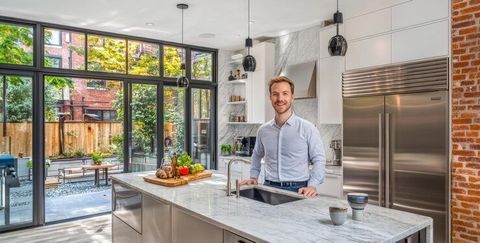
Modular kitchen design is a modern approach to organizing kitchen spaces using pre-designed cabinets, storage units, shelves, and workstations that fit together in a planned layout. Unlike traditional kitchen structures that are built permanently on-site, modular kitchens use standardized components that can be arranged according to room size and household needs.
Traditional kitchens were often built permanently with limited flexibility. Over time, changing lifestyles, urban housing trends, and compact apartment layouts created the need for smarter kitchen planning. Modular kitchens emerged as a practical solution for improving storage, movement, and space usage without making the kitchen feel crowded.
Modern kitchen layouts now focus on efficiency, accessibility, and clean design. Homeowners increasingly prefer kitchens that support cooking, dining, cleaning, and storage in one organized environment. Modular systems help achieve this balance by dividing the kitchen into functional zones.
The concept also supports modern interior styling. Contemporary kitchens often include hidden storage, sleek finishes, durable materials, and integrated lighting systems that create a more comfortable and visually balanced environment.
Why Modular Kitchen Design Matters Today
Kitchen planning has become more important because homes are becoming smaller in many urban areas. Efficient use of available space helps improve movement and storage without affecting comfort.
Families, working professionals, apartment residents, and property developers all benefit from modular kitchen concepts. These designs are especially useful in compact homes where every section must serve multiple purposes.
Some common challenges addressed through modular kitchen planning include:
- Limited storage space
- Poor ventilation
- Cluttered countertops
- Difficult cleaning access
- Inefficient cooking movement
- Lack of organization
Smart layouts improve workflow by placing essential areas close together. Many designers follow the “kitchen work triangle” principle, which connects the stove, sink, and refrigerator for smoother movement.
Common Modular Kitchen Layout Types
| Layout Type | Best For | Main Benefit |
|---|---|---|
| L-Shaped Kitchen | Small to medium homes | Better corner utilization |
| U-Shaped Kitchen | Large kitchens | Maximum storage space |
| Parallel Kitchen | Narrow spaces | Efficient workflow |
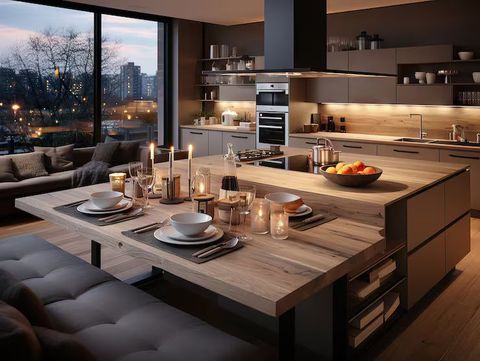
| Island Kitchen | Open homes | Extra workspace |
| Straight Kitchen | Studio apartments | Compact organization |
The growing interest in interior design and home improvement has also increased awareness about ergonomic kitchens. Proper counter height, lighting placement, and storage accessibility can improve daily comfort and reduce unnecessary physical strain.
Key Elements of Smart Kitchen Space Planning
Good kitchen planning combines functionality with simplicity. A modular kitchen is not only about appearance but also about making cooking and storage easier.
Storage Optimization
Modern kitchens use vertical storage and segmented drawers to improve organization. Tall cabinets, pull-out racks, and corner storage systems help maximize unused areas.
Popular storage features include:
- Pull-out pantry units
- Deep utensil drawers
- Corner carousel storage
- Overhead cabinets
- Hidden waste bins
- Multi-level shelving
Lighting and Ventilation
Natural light and airflow play an important role in kitchen comfort. Poor ventilation can increase moisture and cooking odors. Modern kitchen designs now include larger windows, chimney systems, and layered lighting setups.
Task lighting under cabinets helps improve visibility during food preparation. Warm ambient lighting also contributes to a more balanced interior appearance.
Material Selection
Durable materials are important for kitchen longevity. Moisture-resistant finishes and scratch-resistant surfaces are commonly used in modern kitchen construction.
Common materials include:
- Engineered wood
- Stainless steel
- Laminated finishes
- Quartz countertops
- Acrylic surfaces
- Ceramic backsplashes
Smart Appliance Integration
Modern kitchens increasingly include built-in appliances and smart automation systems. Integrated appliances help reduce clutter and improve space management.
Some common smart kitchen technologies include:
- Motion-sensor lighting
- Touch-control chimneys
- Energy-monitoring appliances
- Smart refrigerators
- Digital cooking timers
Recent Updates and Kitchen Design Trends
Kitchen design trends changed significantly during 2025 and early 2026. Homeowners are now focusing more on sustainability, multifunctional layouts, and technology integration.
According to recent interior design industry observations from late 2025, several major trends became more common:
Sustainable Kitchen Materials
Eco-conscious kitchen planning gained attention because of environmental awareness. Many households now prefer recyclable materials, low-emission finishes, and energy-efficient appliances.
Sustainable design trends include:
- Bamboo cabinetry
- Water-saving fixtures
- Recycled countertop materials
- Energy-efficient lighting
- Low-VOC surface coatings
Minimalist and Clutter-Free Designs
Simple layouts with clean lines remain popular in 2026. Minimalist kitchens focus on reducing visual clutter while improving accessibility.
Key features include:
- Handleless cabinets
- Hidden storage systems
- Neutral color palettes
- Matte finishes
- Compact appliance integration
Smart Home Connectivity
The rise of connected homes influenced kitchen technology updates during 2025. Voice-controlled appliances and app-based monitoring systems became more common in urban households.
Multi-Purpose Kitchen Spaces
Modern homes increasingly use kitchens as social and work-friendly areas. Open kitchen concepts combined with dining spaces continue to grow in popularity.
The following chart highlights modern kitchen priorities observed during 2025–2026:
| Kitchen Trend | Growing Popularity |
|---|---|
| Smart Appliances | High |
| Sustainable Materials | High |
| Compact Storage Systems | Very High |
| Minimalist Design | Moderate |
| Open Kitchen Layouts | High |
Laws and Policies Affecting Kitchen Design
Kitchen planning is influenced by construction guidelines, safety standards, and environmental regulations. Rules may vary depending on the country, state, or municipality.
Building Safety Standards
Residential construction regulations often include requirements related to:
- Electrical safety
- Ventilation systems
- Fire-resistant materials
- Plumbing standards
- Appliance installation safety
These regulations help reduce risks related to electrical overload, gas leakage, and poor airflow.
Energy Efficiency Policies
Many governments now encourage energy-efficient homes through green building frameworks and sustainability programs. Kitchen appliances with lower energy consumption are increasingly promoted under these initiatives.
Waste Management Guidelines
Urban housing policies increasingly emphasize waste segregation and recycling systems. Modern kitchens often include separate storage sections for biodegradable and recyclable waste.
Accessibility and Universal Design
Some residential planning guidelines now encourage accessible kitchen layouts for elderly individuals and people with mobility limitations.
Accessibility-focused features may include:
- Lower countertop heights
- Easy-grip handles
- Slip-resistant flooring
- Wider movement areas
Helpful Tools and Resources for Kitchen Planning
Modern technology has simplified kitchen planning for homeowners and designers. Several digital resources help users visualize layouts and improve decision-making.
Kitchen Layout Planners
Digital planning tools allow users to arrange cabinets, counters, and appliances in virtual environments. These tools help estimate spacing and workflow efficiency.
Measurement Calculators
Kitchen measurement calculators help determine:
- Cabinet dimensions
- Countertop area
- Storage capacity
- Lighting requirements
Interior Design Templates
Layout templates assist users in comparing different kitchen structures before finalizing designs.
Material Comparison Charts
Material comparison resources help users understand differences in durability, maintenance, and environmental impact.
Learning Resources
Educational content related to modular kitchen planning is now widely available through:
- Interior design guides
- Architecture publications
- Home improvement tutorials
- Space planning courses
Common Mistakes to Avoid in Modular Kitchens
Many kitchen planning problems occur because of poor space management or excessive focus on appearance.
Some commonly observed mistakes include:
- Ignoring ventilation requirements
- Choosing oversized cabinets
- Poor lighting placement
- Insufficient electrical outlets
- Weak storage planning
- Limited countertop workspace
Balancing functionality with visual design is important for long-term comfort.
Frequently Asked Questions
What is the main purpose of a modular kitchen?
A modular kitchen is designed to improve organization, storage, and movement efficiency using pre-structured cabinets and functional layouts.
Which kitchen layout works best for small homes?
L-shaped and straight kitchen layouts are commonly used in compact homes because they save space while maintaining accessibility.
Are modular kitchens suitable for apartments?
Yes. Modular kitchens are widely used in apartments because they help maximize storage and improve organization in limited spaces.
Why is ventilation important in kitchen planning?
Good ventilation helps reduce smoke, moisture, heat buildup, and cooking odors. It also supports better indoor air quality.
What materials are commonly used in modern modular kitchens?
Common materials include engineered wood, stainless steel, quartz, laminates, acrylic finishes, and ceramic surfaces because of their durability and maintenance advantages.
Conclusion
Modular kitchen design has become an important part of modern home planning because it combines functionality, organization, and visual simplicity. As urban homes continue to evolve, efficient kitchen layouts help improve comfort and support better daily routines.
Recent trends show increasing interest in sustainable materials, smart technology integration, and compact storage systems. At the same time, government regulations related to energy efficiency, safety, and accessibility continue to influence modern kitchen development.