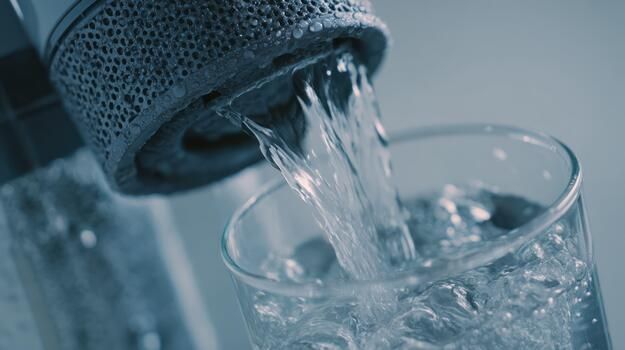
Water Purification: Discover Smarter Ways to Improve Water Quality
Clean water is essential for drinking, cooking, hygiene, agriculture, and many industrial activities. However, water collected from rivers, lakes, groundwater, or municipal networks may contain particles, dissolved minerals, microorganisms, or chemical substances that affect its quality.
The type and amount of contamination depend on the water source, local environment, and treatment methods already in place.
Water Purification involves removing or reducing unwanted substances so water becomes suitable for a particular purpose. Depending on the source and intended use, treatment may include filtration, disinfection, sediment removal, membrane separation, or other specialized processes.
Understanding these methods helps households, businesses, and communities make informed decisions about water quality. This guide explains how purification works, the main treatment technologies, common applications, and practical considerations for maintaining safe water.
What Is Water Purification?
Water purification is the process of treating water to reduce contaminants and improve its suitability for drinking or other uses. The exact treatment required depends on the substances present and the standards that apply to the intended use.
Some water contains visible particles such as sand, silt, or rust. Other contaminants are invisible, including bacteria, viruses, dissolved salts, pesticides, and certain metals.
A clear appearance does not necessarily mean water is safe to drink. Likewise, an unusual taste or smell may indicate a problem, although many harmful contaminants cannot be detected through the senses alone.
Water treatment systems are designed around specific contaminants and operating conditions. A method that removes suspended particles may not remove dissolved chemicals, while a disinfection process may control microorganisms without changing mineral content.
For this reason, understanding the source water and testing it when necessary are important steps before selecting a treatment approach.
Why Water Purification Matters
Water quality affects public health, household activities, and many industrial processes. Contaminated drinking water can spread illnesses when disease-causing microorganisms are present. Certain chemical contaminants may also create health risks depending on their concentration and the duration of exposure.
Purification can reduce these risks when the selected process is appropriate for the contaminants involved and is operated correctly.
In households, treatment may improve water quality for drinking and cooking. In food production, water may need to meet specific hygiene requirements. Industrial facilities may require water with controlled mineral content to protect equipment or maintain product consistency.
Water treatment also supports reliable operations in hospitals, laboratories, hotels, and manufacturing plants. Different settings require different water quality standards, so treatment decisions should reflect the actual application rather than a single general definition of clean water.
Common Water Purification Methods
Several technologies are used to remove contaminants. Many treatment systems combine more than one method because no single process addresses every possible water quality problem.
1. Sediment Filtration
Sediment filters remove suspended particles such as sand, dirt, rust, and other visible or microscopic material, depending on the filter rating.
Water passes through a porous material that traps particles while allowing water to continue flowing. Filter materials may include specialized fibers, woven media, or other designed structures.
Sediment filtration can help protect later treatment stages from clogging. However, ordinary sediment filters do not reliably remove dissolved chemicals or disinfect water.
Filter replacement or cleaning is necessary when accumulated particles restrict flow or affect performance.
2. Activated Carbon Filtration
Activated carbon contains a large internal surface area that can adsorb certain substances from water. It is commonly used to reduce chlorine, some organic compounds, and substances that affect taste or odor.
The results depend on the carbon type, water chemistry, contact time, and contaminant concentration. Activated carbon does not remove every chemical, metal, or microorganism.
It is often used alongside other treatment methods rather than as a complete purification system by itself.
3. Reverse Osmosis
Reverse osmosis uses pressure to push water through a specialized membrane that separates water from many dissolved substances. Depending on the system and operating conditions, it can reduce dissolved salts and selected contaminants.
This technology is used in household drinking water units, industrial water treatment, and desalination facilities.
Reverse osmosis systems need appropriate pre-treatment, regular maintenance, and attention to membrane condition. Some systems also produce a concentrated wastewater stream, and the amount depends on system design and operation.
The quality of the incoming water influences performance, so a system should be selected for the specific treatment objective.
4. Ultraviolet Disinfection
Ultraviolet disinfection exposes water to ultraviolet light at a wavelength suitable for inactivating many microorganisms. It can help control bacteria, viruses, and other microbes when the system is correctly designed and operated.
UV treatment does not remove dissolved salts, metals, or most chemical contaminants. Water clarity also matters because suspended particles can shield microorganisms from exposure.
For this reason, UV units are often installed after suitable filtration. Lamp condition, water flow, and equipment maintenance affect how well the system performs.
5. Boiling and Chlorination
Boiling is a widely recognized method for reducing the risk from many disease-causing microorganisms in water. Public health authorities may recommend it during certain emergencies, following their specific instructions.
Boiling does not remove most dissolved chemical contaminants and may concentrate some substances as water evaporates.
Chlorination uses chlorine-based compounds to disinfect water. When applied at appropriate concentrations and contact times, it can inactivate many harmful microorganisms and may maintain a protective residual in distribution systems.
The correct method depends on local water conditions and official guidance. Chemical treatment should never be improvised without understanding the required dose and safety precautions.
How to Choose a Suitable Water Purification System
Choosing a purification system starts with identifying the source of the water and the problem that needs to be addressed.
Municipal water may already have undergone treatment, although household plumbing or local conditions can still affect quality. Groundwater may contain dissolved minerals, naturally occurring metals, or other contaminants. Surface water can be affected by agricultural runoff, sewage, or environmental pollution.
A laboratory water test can help identify relevant contaminants. The results provide a clearer basis for choosing a treatment method instead of relying on taste, appearance, or general product claims.
Next, consider the intended use. Drinking water may require different treatment from water used for irrigation, cooling systems, or industrial production.
Other factors include daily water demand, available space, pressure requirements, maintenance needs, replacement filters, and wastewater handling. Users should review independent test information and confirm whether the system has been evaluated for the contaminants of concern.
Smart Technologies in Modern Water Treatment
Modern water treatment systems increasingly use monitoring and automation to track performance.
Sensors and Digital Monitoring
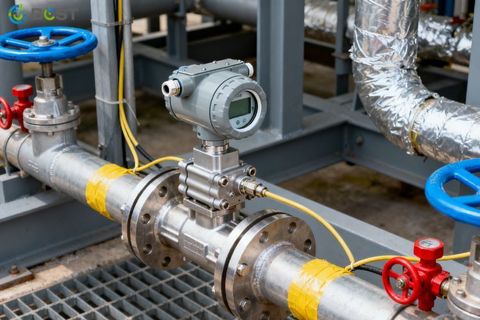
Sensors can measure parameters such as pH, turbidity, temperature, pressure, and electrical conductivity. These measurements help operators observe changes in water conditions and identify when further testing may be needed.
However, a single sensor cannot detect every contaminant. For example, normal conductivity readings do not prove that water is free from harmful microorganisms or specific chemicals.
Automated Controls
Automated systems can regulate pumps, valves, chemical dosing, and filtration cycles according to configured settings. They may also send alerts when pressure changes, filters become blocked, or equipment needs attention.
Automation can improve process consistency, but it depends on correct calibration, reliable sensors, and suitable maintenance.
Water Quality Data Analysis
Monitoring software can record measurements over time and help operators identify recurring changes. These records are useful for investigating unusual readings, planning maintenance, and documenting treatment performance.
Data analysis supports decision-making but does not replace laboratory testing where specific contaminants must be identified.
Maintenance and Common Water Quality Problems
Regular maintenance helps ensure that purification equipment continues to operate as intended. Filters should be replaced according to the manufacturer's instructions and the actual condition of the water.
Membranes, UV lamps, storage tanks, pipes, and seals may also require inspection. Neglected equipment can lose effectiveness or become a source of contamination.
Changes in taste, odor, water flow, or appearance may justify further investigation, but these signs cannot identify every problem. Water that looks normal can still contain harmful substances.
If contamination is suspected, follow guidance from the relevant public health or water authority. Use a treatment method appropriate for the identified risk, and arrange testing when necessary.
Conclusion
Water Purification helps reduce unwanted particles, microorganisms, dissolved substances, and other contaminants through methods such as filtration, activated carbon, reverse osmosis, ultraviolet disinfection, and chlorination.
The right approach depends on the water source, the contaminants present, and the intended use. Testing water quality before selecting a system can help prevent gaps in treatment, while proper maintenance supports consistent performance.
Smart monitoring and automated controls can improve visibility into treatment operations, but they do not replace suitable equipment, careful testing, or public health guidance. By understanding these principles, households and organizations can make more informed decisions about water quality and safe water management.