Dust Collector Machine: Improve Air Quality and Workplace Safety
Dust is a common byproduct of many industrial and commercial activities. Cutting wood, grinding metal, processing grain, handling cement, and manufacturing products can release fine particles into the surrounding air.
When these particles accumulate, they can affect indoor air quality, create housekeeping problems, and expose workers to potential health and safety risks.
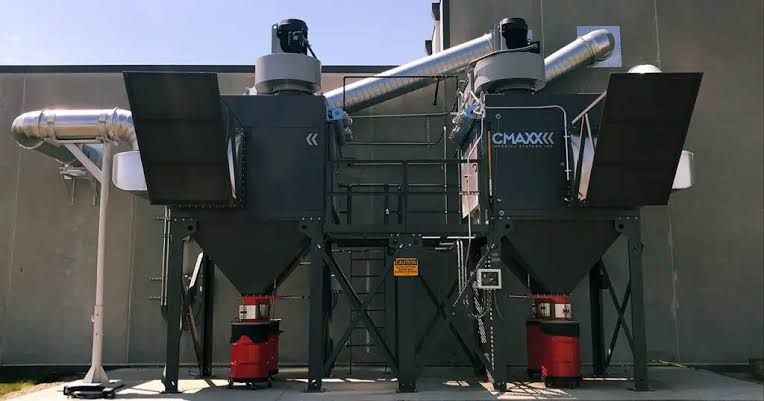
A Dust Collector Machine helps manage airborne dust by drawing contaminated air through a collection system that separates particles from the airflow. The captured material is stored in a container or collection unit, while filtered air is handled according to the equipment's design and applicable workplace requirements.
These machines are used in manufacturing plants, woodworking facilities, food processing operations, construction-related environments, and other locations where dust is generated. Selecting and maintaining the appropriate equipment requires an understanding of the dust type, particle size, airflow needs, and operating conditions.
This guide explains how dust collector machines work, their main types, common applications, maintenance requirements, and their role in workplace safety.
What Is a Dust Collector Machine?
A Dust Collector Machine is an industrial air-cleaning system designed to capture and separate dust particles from an airflow. It usually includes an air inlet, ductwork, a fan, a collection mechanism, and a container or hopper for accumulated material.
The system draws dusty air away from the point where particles are produced. The air then passes through a separation process that removes some or most of the dust, depending on the equipment design and filter characteristics.
Different systems handle different materials. A woodworking facility may collect sawdust and wood shavings, while a metalworking plant may need to capture grinding particles. Food processing operations may generate flour, grain dust, or powdered ingredients.
The equipment must match the material being collected. Particle size, moisture, temperature, chemical properties, and the possibility of combustible dust can all affect system design.
How Does a Dust Collector Machine Work?
Although designs vary, most dust collection systems follow a series of basic steps.
1. Dust Capture
Dust is generated when a material is cut, crushed, mixed, sanded, or transferred. A hood or extraction point is positioned near the source to draw particles into the collection system.
Capturing dust close to where it forms is important because particles can spread throughout a workplace if they are not removed promptly.
The hood design, airflow, and distance from the dust source affect how effectively particles enter the system.
2. Air Transportation
Ducts carry the dust-laden air toward the collector. A fan creates the airflow needed to move particles through the system.
Duct dimensions, bends, leaks, and blockages can influence performance. Poorly designed ductwork may allow dust to settle inside the pipes or reduce the amount of air captured at the source.
3. Particle Separation
Inside the collector, dust is separated from the airflow using filters, centrifugal force, or other collection methods.
Some systems use filter bags or cartridges to trap particles on a filtering surface. Others use cyclonic action, which spins the incoming air so that larger particles move toward the collection area.
Certain installations combine several separation stages to handle different particle sizes or operating conditions.
4. Dust Collection and Air Discharge
Separated material falls into a hopper, bin, drum, or other collection container. Depending on the design, filters may be cleaned periodically or automatically to help maintain airflow.
The cleaned air may be released outside or returned indoors when the system design and applicable requirements permit it. Air recirculation should be evaluated carefully, especially when the dust contains hazardous substances.
Main Types of Dust Collector Machines
Different collection technologies are suited to different materials and production conditions.
1. Baghouse Dust Collectors
Baghouse systems use fabric filter bags to capture particles as dusty air passes through them. Dust accumulates on the filter surface and is removed through a cleaning mechanism.
These systems are commonly used in cement production, mineral processing, metalworking, and other industrial environments that generate substantial quantities of dust.
Their design depends on airflow requirements, dust characteristics, temperature, moisture, and the type of filter material.
2. Cartridge Dust Collectors
Cartridge collectors use pleated filter elements that provide a large filtering surface within a compact structure.
They are used in applications such as welding fume extraction, powder handling, and selected metalworking operations. Their suitability depends on the particle characteristics and the manufacturer's operating limits.
Filter cleaning methods vary, and regular inspection is necessary to identify damage, blockages, or excessive dust buildup.
3. Cyclone Dust Collectors
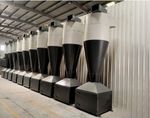
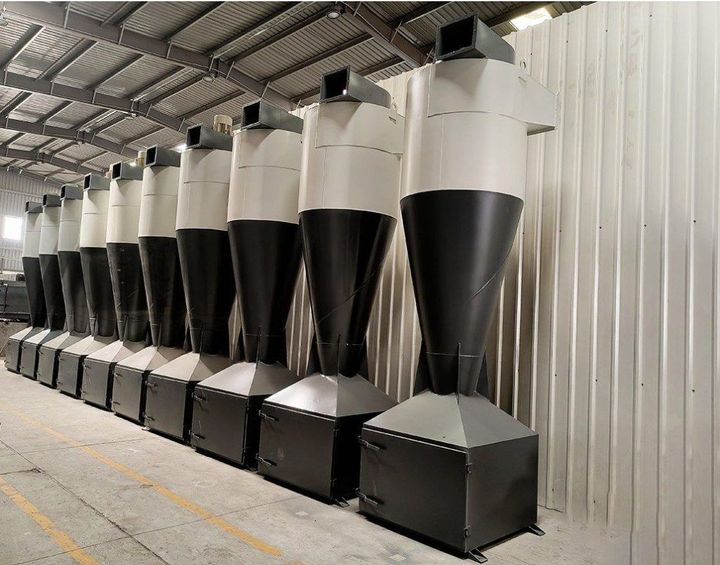
Cyclone collectors use rotating airflow to separate larger or heavier particles from the air. The separated material moves toward the collection container, while the remaining airflow continues through the system.
Cyclones are often used as pre-collectors before a more efficient filtration stage. They can reduce the quantity of larger particles reaching downstream filters.
Their ability to capture very fine particles depends on the design and operating conditions, so they may not be sufficient as the only collection method.
4. Wet Dust Collectors
Wet collectors use liquid, commonly water, to capture or suppress particles within a controlled system.
They may be considered for selected industrial processes where dry collection presents specific challenges. However, the dust and liquid must be compatible, and the resulting sludge or wastewater needs appropriate handling.
Wet collection is not suitable for every material. Chemical reactions, corrosion, disposal requirements, and other safety factors must be evaluated before installation.
Industrial Applications of Dust Collection Systems
Dust collector machines support many industries by controlling particles produced during routine operations.
Woodworking: Sawing, sanding, routing, and cutting generate sawdust and fine wood particles. Collection systems help remove these materials near machinery and maintain cleaner work areas.
Metalworking: Grinding, polishing, cutting, and welding can generate metal particles or fumes. The collection equipment must be selected according to the specific process and contaminants involved.
Cement and construction materials: Mixing, conveying, crushing, and packaging cement or mineral products can release substantial dust. Industrial collectors are used at transfer points and processing equipment.
Food processing: Flour, grain, sugar, and powdered ingredients can become airborne during handling. Systems must account for hygiene requirements and the potential risks associated with combustible organic dust.
Pharmaceutical and chemical production: Powder handling and material transfer can release fine particles. Collection arrangements need to consider product purity, worker exposure, chemical compatibility, and contamination prevention.
These examples demonstrate why the collection system should be designed around the actual process rather than selected only by machine size.
Benefits for Air Quality and Workplace Safety
A properly designed dust collection system can reduce the amount of airborne particulate matter near industrial processes. This may help limit worker exposure and reduce dust accumulation on floors, equipment, and other surfaces.
Cleaner work areas can also improve visibility and reduce the need for repeated housekeeping. In some applications, capturing dust before it spreads helps protect sensitive machinery and prevent particles from contaminating products.
Dust control can contribute to fire and explosion prevention where combustible materials are present. However, ordinary collection equipment should not be assumed to provide explosion protection. Systems handling combustible dust may require specialized equipment, grounding, explosion venting or suppression, isolation devices, and a formal hazard assessment.
Dust collectors are only one part of workplace protection. Depending on the hazard, employers may also need process enclosure, ventilation, exposure monitoring, safe work procedures, and appropriate personal protective equipment.
How to Select a Suitable Dust Collector Machine
Selecting equipment begins with identifying the material and the process that produces it.
First, determine the type of dust, particle size, moisture content, temperature, chemical properties, and whether the material can burn or explode. These details influence the filtration method and safety requirements.
Next, estimate the airflow needed at each extraction point. The system must capture particles effectively without disrupting the production process.
Consider the available floor space, duct layout, noise levels, filter replacement arrangements, and dust container capacity. The equipment should also be compatible with the operating environment and relevant workplace regulations.
Finally, review the manufacturer's technical specifications, filter performance information, maintenance instructions, and safety documentation. A qualified ventilation or industrial hygiene professional can help assess complex applications and confirm that the design meets the required protection goals.
Maintenance and Common Operating Problems
Regular maintenance helps a dust collector operate as intended. Filters should be inspected according to the manufacturer's instructions, and damaged elements should be replaced when necessary.
Operators should check ductwork, collection bins, seals, fans, and pressure indicators for signs of blockage, leakage, or unusual performance. A sudden change in pressure or airflow may indicate a filter problem, a duct obstruction, or another system fault.
Dust containers should be emptied using procedures that limit the release of collected particles. Workers should avoid unsafe cleaning methods, such as using compressed air to spread dust into the workplace.
Maintenance schedules should reflect operating hours, material characteristics, and the level of dust produced. Systems handling hazardous or combustible material may require additional inspections and specific protective procedures.
Conclusion
A Dust Collector Machine helps control airborne particles generated by industrial processes, supporting cleaner work areas and better management of workplace exposure risks. Baghouse, cartridge, cyclone, and wet collection systems each have different operating principles and suitable applications.
Choosing the right equipment requires careful consideration of dust characteristics, airflow, filtration performance, and safety requirements. Regular maintenance and proper operating procedures are equally important for consistent performance.
When integrated into a wider dust-control and workplace safety plan, a properly selected collection system can help organizations manage industrial dust while protecting workers, equipment, and surrounding areas.