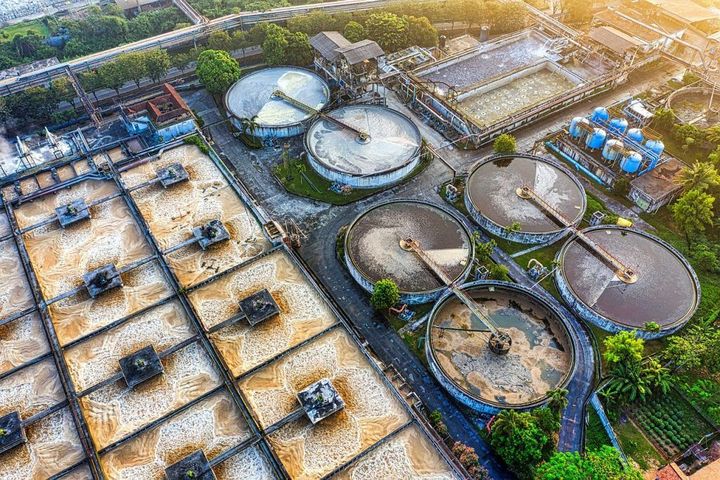
Wastewater Recycling Systems Explained: Explore Guide, Tips, Insights, Facts, Knowledge, and Helpful Resources
Water is one of the world's most important natural resources. As populations grow, industries expand, and climate-related challenges affect water availability, the need for efficient water management has become increasingly important. Wastewater recycling systems are designed to recover and treat used water so it can be reused for various purposes rather than being discharged as waste.
Wastewater recycling has become a major focus in environmental management, water conservation planning, industrial sustainability, and resource efficiency initiatives. These systems help reduce pressure on freshwater supplies while supporting long-term water security goals.
Understanding Wastewater Recycling Systems
Wastewater recycling systems are treatment processes that clean and purify used water generated from households, commercial buildings, agricultural operations, and industrial facilities. The treated water can then be reused for activities such as irrigation, industrial processing, cooling systems, landscape maintenance, groundwater replenishment, and in some cases potable water applications after advanced treatment.
The concept exists because freshwater resources are limited in many regions. Historically, wastewater was viewed as a disposal challenge. Today, it is increasingly considered a valuable resource that can be recovered and reused.
Most wastewater recycling systems include several stages:
• Collection of wastewater
• Preliminary screening and removal of large debris
• Biological treatment to remove organic matter
• Filtration processes
• Advanced purification technologies
• Disinfection using ultraviolet light, ozone, or other methods
The exact treatment process depends on the intended reuse application and local regulatory requirements.
Why Wastewater Recycling Systems Matter
Wastewater recycling has become an important component of sustainable infrastructure planning and environmental protection strategies.
Key benefits include:
• Reduced demand for freshwater resources
• Improved drought resilience
• Lower environmental impact on rivers and lakes
• Enhanced water security for communities
• Support for industrial water efficiency programs
• Reduced pressure on groundwater reserves
The importance of wastewater recycling extends across multiple sectors.
| Sector | Primary Benefit |
|---|---|
| Municipal Utilities | Water conservation and supply reliability |
| Agriculture | Alternative irrigation water source |
| Manufacturing | Process water reuse and efficiency |
| Commercial Buildings | Reduced water consumption |
| Environmental Management | Protection of natural ecosystems |
Communities facing water scarcity often view wastewater recycling as part of broader sustainable water management and environmental compliance strategies.
Recent Updates and Industry Trends
The wastewater treatment and water recycling industry has experienced significant developments during the past year.
In 2025 and early 2026, several trends gained attention:
• Increased investment in advanced membrane filtration technologies
• Expansion of water reuse programs in drought-prone regions
• Greater adoption of digital monitoring and smart water management systems
• Growth in industrial wastewater treatment optimization projects
• Increased focus on energy-efficient treatment technologies
A growing trend involves integrating artificial intelligence and data analytics into wastewater management operations. These technologies help operators monitor water quality, predict maintenance requirements, and improve treatment efficiency.
The following table highlights notable recent trends:
| Trend | Impact |
| Smart Water Monitoring | Improved operational efficiency |
| AI-Based Analytics | Better system optimization |
| Advanced Membrane Filtration | Higher treatment quality |
| Resource Recovery Technologies | Enhanced sustainability |
| Water Reuse Expansion | Improved water availability |
Many environmental agencies and water authorities have also updated guidance documents during 2025 and 2026 to support sustainable water reuse programs and long-term resource planning.
Laws, Regulations, and Government Policies
Wastewater recycling systems operate within regulatory frameworks designed to protect public health, environmental quality, and water resources.
Regulations typically address:
• Water quality standards
• Treatment requirements
• Monitoring and reporting obligations
• Environmental discharge limits
• Reuse classifications and permitted applications
Government agencies often establish different standards depending on whether recycled water is intended for irrigation, industrial use, groundwater recharge, or potable reuse.
Policy objectives generally focus on:
• Sustainable water management
• Environmental protection
• Resource conservation
• Infrastructure resilience
• Climate adaptation planning
Environmental compliance requirements often include regular testing, operational monitoring, and documentation to ensure treatment systems consistently meet approved standards.
As water scarcity concerns continue to grow globally, policymakers increasingly view wastewater recycling as an important component of integrated water resource management strategies.
Helpful Tools and Resources
Various tools and resources help organizations, researchers, and communities better understand wastewater recycling systems.
Useful categories include:
Water Quality Monitoring Platforms
These tools assist with tracking treatment performance, water quality indicators, and regulatory compliance metrics.
Environmental Data Portals
Public databases often provide information about water resources, treatment technologies, environmental monitoring results, and sustainability programs.
Water Management Software
Digital platforms support:
• Treatment process monitoring
• Asset management
• Maintenance planning
• Data reporting
• Performance analysis
Engineering Design Resources
Technical guidance documents help professionals evaluate:
• Treatment technologies
• System sizing
• Filtration requirements
• Water reuse applications
Research Publications
Academic institutions and environmental organizations regularly publish studies on:
• Water reuse technologies
• Membrane filtration
• Resource recovery systems
• Sustainable infrastructure development
Wastewater Recycling Process Overview
The following chart illustrates a simplified treatment pathway:
Freshwater Use
↓
Wastewater Collection
↓
Primary Treatment
↓
Secondary Treatment
↓
Advanced Filtration
↓
Disinfection
↓
Water Quality Verification
↓
Recycled Water Reuse
This process can vary depending on local requirements and intended reuse applications.
Frequently Asked Questions
What is wastewater recycling?
Wastewater recycling is the process of treating used water so it can be safely reused for specific purposes such as irrigation, industrial operations, environmental restoration, or other approved applications.
Is recycled wastewater safe?
When treated according to established standards and regulations, recycled wastewater can be safe for its intended use. Safety depends on treatment quality, monitoring procedures, and compliance with applicable regulations.
What technologies are commonly used in wastewater recycling?
Common technologies include biological treatment systems, membrane filtration, reverse osmosis, ultraviolet disinfection, ozone treatment, and advanced monitoring systems.
Who benefits from wastewater recycling systems?
Municipal utilities, agricultural operations, industrial facilities, commercial properties, and communities can benefit from improved water efficiency and reduced demand on freshwater resources.
Can recycled water be used for drinking purposes?
Some advanced treatment systems can produce water suitable for potable reuse when strict regulatory requirements are met. These applications typically involve multiple treatment barriers and extensive monitoring.
Conclusion
Wastewater recycling systems represent an important approach to sustainable water management in a world facing increasing water resource challenges. By transforming used water into a valuable reusable resource, these systems help improve water security, support environmental protection goals, and enhance infrastructure resilience.
Recent advances in digital monitoring, advanced filtration technologies, and resource recovery methods continue to improve treatment effectiveness and operational efficiency. As governments, industries, and communities seek sustainable solutions for future water needs, wastewater recycling is expected to remain a key component of modern environmental management and water conservation strategies.
Understanding how these systems work, the regulations that govern them, and the tools available for monitoring and optimization can help stakeholders make informed decisions about responsible water resource management.