Table of Contents

Vintage Car Rental Guide: Classic Vehicle Features, Experiences, and Travel Insights

Vintage Car Rental Guide: Classic Vehicle Features, Experiences, and Travel Insights

Vintage cars continue to captivate automobile enthusiasts, travelers, event organizers, and history lovers around the world. Their distinctive styling, handcrafted details, historical significance, and timeless appeal make them far more than simple modes of transportation. For many people, renting a vintage car offers an opportunity to experience a different era of automotive design and engineering.


Vintage car rental services have become increasingly popular for weddings, tourism experiences, film productions, special occasions, heritage events, and leisure travel. These services allow individuals to enjoy classic automobiles without the responsibilities associated with long-term ownership and maintenance.

This guide explores vintage car rental concepts, classic vehicle characteristics, travel experiences, and automotive heritage from an educational perspective. It does not endorse, recommend, compare, rank, review, or promote any rental company, vehicle, or travel service.

Understanding Vintage Cars

Vintage cars generally refer to automobiles produced during earlier periods of automotive history. Definitions may vary by region, automotive organization, and enthusiast community.

Characteristics commonly associated with vintage vehicles include:

  • Distinctive exterior styling
  • Historical design elements
  • Mechanical simplicity
  • Handcrafted details
  • Limited production numbers
  • Collectible appeal

Many vintage automobiles are preserved as examples of automotive heritage and engineering history.

Why Vintage Cars Remain Popular

Classic vehicles continue attracting attention for several reasons.

Common factors include:

  • Historical significance
  • Unique driving experiences
  • Distinctive design aesthetics
  • Cultural value
  • Collectibility
  • Nostalgic appeal

These qualities contribute to the enduring popularity of vintage automobiles across generations.

The Growth of Vintage Car Rentals

The vintage vehicle rental industry has expanded alongside growing interest in experiential travel and heritage tourism.

Factors contributing to demand include:

  • Wedding transportation
  • Tourism experiences
  • Photography sessions
  • Film productions
  • Corporate events
  • Special celebrations

Many travelers view classic automobile experiences as memorable additions to their journeys.

Classic Design Features

Vintage vehicles often display design characteristics rarely found in modern automobiles.

Examples may include:

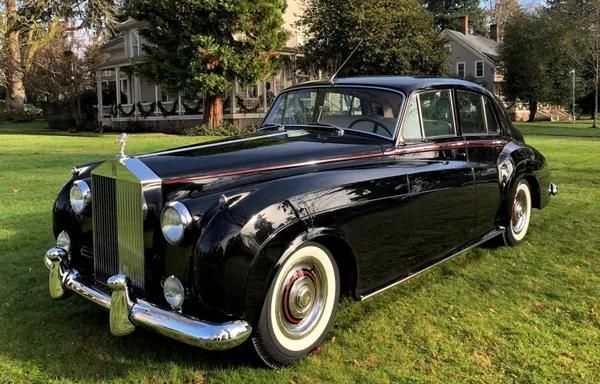
  • Chrome detailing
  • Large front grilles
  • Rounded body shapes
  • Decorative trim elements
  • Distinctive lighting designs
  • Elegant interiors

These features contribute to the visual identity of classic automobiles.

Understanding Automotive Heritage

Vintage cars offer insight into the evolution of transportation technology.

They often reflect:

  • Historical engineering practices
  • Manufacturing techniques
  • Design trends
  • Cultural influences
  • Economic conditions

Automotive heritage plays an important role in preserving transportation history.

Popular Uses for Vintage Car Rentals

Classic vehicle rentals are commonly associated with special events and leisure activities.

Examples include:

Weddings

Vintage automobiles are frequently used as ceremonial transportation during wedding celebrations.

Tourism Experiences

Travelers often rent classic cars to enhance sightseeing experiences and scenic drives.

Photography and Media

Vintage vehicles are commonly featured in:

  • Photo shoots
  • Advertising campaigns
  • Film productions
  • Historical recreations

Corporate Events

Organizations may utilize classic automobiles for exhibitions, promotional activities, and hospitality events.

The Unique Driving Experience

Driving or riding in a vintage vehicle often differs significantly from modern automotive experiences.

Characteristics may include:

  • Traditional steering systems
  • Mechanical controls
  • Distinct engine sounds
  • Classic instrumentation
  • Analog driving dynamics

These elements contribute to the authenticity of heritage motoring experiences.

Interior Features of Classic Cars

Vintage vehicle interiors often reflect the design priorities of their era.

Common features may include:

  • Large steering wheels
  • Analog gauges
  • Leather upholstery
  • Wood accents
  • Handcrafted trim

Interior layouts vary according to manufacturer, model, and production period.

Vintage Cars and Tourism

Classic automobiles have become part of tourism offerings in many destinations.

Potential experiences may include:

  • Scenic countryside drives
  • Historic city tours
  • Cultural excursions
  • Heritage transportation experiences

Vintage vehicles can add a distinctive element to travel itineraries.

Vehicle Preservation and Restoration

Many classic cars available for rental undergo extensive restoration and preservation efforts.

Restoration activities may involve:

  • Mechanical refurbishment
  • Bodywork repairs
  • Interior restoration
  • Paint refinishing
  • Component replacement

Preservation helps maintain the historical and visual integrity of these vehicles.

Safety Considerations

Vintage automobiles were designed according to standards that often differed from modern automotive regulations.

Considerations may include:

  • Historical engineering methods
  • Vehicle maintenance requirements
  • Operational limitations
  • Driver familiarity

Rental operators generally establish procedures intended to support safe operation and vehicle preservation.

Vintage Cars and Cultural Significance

Classic automobiles often serve as symbols of specific historical periods and design movements.

Their significance may relate to:

  • Industrial innovation
  • Transportation history
  • Popular culture
  • Automotive craftsmanship
  • Technological development

Many enthusiasts view vintage vehicles as moving examples of design heritage.

Luxury and Prestige Associations

Throughout history, certain classic automobiles became associated with luxury, status, and craftsmanship.

Common attributes may include:

  • Premium materials
  • Detailed craftsmanship
  • Elegant styling
  • Exclusive production

These qualities continue to attract interest among collectors and enthusiasts.

Technology Differences Compared to Modern Cars

Modern vehicles differ substantially from classic automobiles.

Areas of change include:

  • Safety systems
  • Electronics
  • Fuel efficiency
  • Connectivity features
  • Driver assistance technologies

Vintage cars provide insight into how automotive technology has evolved over time.

Sustainable Preservation of Automotive History

The preservation of historic vehicles contributes to cultural and industrial heritage conservation.

Benefits may include:

  • Educational opportunities
  • Historical awareness
  • Engineering appreciation
  • Museum exhibitions
  • Community engagement

Many automotive organizations support preservation initiatives for future generations.

Vintage Automotive Trends in 2026

Several developments continue influencing the classic vehicle sector.

Current trends include:

  • Heritage tourism experiences
  • Classic vehicle restoration projects
  • Automotive preservation programs
  • Digital booking systems
  • Event-focused rentals
  • Collector community growth
  • Automotive heritage exhibitions
  • Experiential travel offerings

These trends reflect increasing interest in history-based travel and cultural experiences.

Frequently Asked Questions

What is a vintage car?

A vintage car is generally considered a historically significant automobile from an earlier era of automotive production.

Why do people rent vintage cars?

Common reasons include weddings, tourism experiences, photography sessions, special occasions, and appreciation of automotive heritage.

Are vintage cars different from modern vehicles?

Yes. Vintage vehicles often feature older engineering designs, traditional controls, and distinctive styling characteristics.

What makes classic automobiles appealing?

Their historical significance, craftsmanship, unique appearance, and nostalgic value often contribute to their appeal.

Are vintage car rentals only for special events?

No. They may also be used for leisure travel, tourism experiences, educational activities, and heritage-focused excursions.

Conclusion

Vintage car rentals provide a unique opportunity to experience automotive history through classic design, heritage engineering, and memorable travel experiences. Whether used for weddings, tourism, cultural events, photography, or personal enjoyment, these vehicles offer insights into the evolution of transportation and craftsmanship.

As interest in experiential travel and automotive heritage continues growing, vintage car rentals remain an appealing way for individuals to connect with the artistry, innovation, and cultural significance of classic automobiles.

Disclaimer

This article is intended solely for informational and educational purposes. It does not provide automotive, travel, rental, insurance, legal, financial, safety, or professional advice. It does not endorse, recommend, compare, rank, review, market, or promote any vintage vehicle, rental company, automobile manufacturer, travel service, or event provider. Rental policies, vehicle availability, licensing requirements, insurance conditions, and operational procedures vary by provider and location. Readers should consult official rental operators and relevant authorities for current information and requirements.


author-image

Ravi Shankar Maurya

We create purposeful content that speaks, resonates, and drives action.

June 19, 2026 . 8 min read