Future of Ethanol Fuel Production: Sustainable Feedstocks, Advanced Processing & Blending Technology
Ethanol fuel production is evolving as countries explore ways to diversify transportation fuels, improve industrial efficiency, and use renewable biological resources. Traditional production methods rely heavily on sugarcane, molasses, corn, and other sugar- or starch-rich materials. Emerging approaches aim to expand the range of feedstocks, improve conversion processes, and strengthen fuel quality management.
The future of ethanol production will depend on several interconnected factors, including agricultural availability, technological development, energy consumption, water management, vehicle compatibility, and government policies.
Advanced fermentation, cellulosic ethanol, improved enzymes, automated blending systems, and digital process monitoring are among the technologies shaping this industry. Their long-term value depends on technical performance, environmental outcomes, and suitability for large-scale operation.
Why Ethanol Fuel Production Is Evolving
Ethanol has become an important subject in renewable fuel research because it can be produced from biological materials and blended with petrol for compatible engines.
Several factors are encouraging further development.
Diversification of Transportation Fuels
Countries that rely heavily on petroleum may explore ethanol blending to diversify their transportation fuel supply. Domestic production can also connect agricultural resources with industrial energy requirements.
Better Use of Agricultural Resources
Sugarcane residues, corn-processing by-products, and selected agricultural materials may provide additional feedstock options. Using these resources appropriately can reduce waste and expand the range of raw materials available to manufacturers.
Improvements in Manufacturing Efficiency
Fermentation, distillation, dehydration, and heat-recovery technologies continue to develop. Better process integration can help reduce energy consumption and improve production consistency.
Environmental Performance
The environmental impact of ethanol depends on its entire production pathway. Research is increasingly focused on reducing processing emissions, managing water use, and evaluating the sustainability of different feedstocks.
Sustainable Feedstocks for Future Ethanol Production
Feedstock selection is one of the most important factors influencing ethanol production. Different materials require different conversion methods and have different agricultural, environmental, and economic implications.
1. Sugarcane and Molasses
Sugarcane juice and molasses are established raw materials for conventional ethanol production.
Sugarcane contains fermentable sugars, while molasses is a sugar-rich by-product of sugar manufacturing. Both can be processed using fermentation followed by distillation and dehydration.
Future improvements may focus on better sugar recovery, more efficient fermentation, improved heat integration, and responsible water management.
Sugarcane-based production can benefit from established agricultural and processing infrastructure. However, seasonal supply, water availability, agricultural practices, and competing uses of land remain important considerations.
2. Corn, Wheat, and Other Starch-Rich Crops
Starch-based ethanol production generally involves milling, starch liquefaction, saccharification, fermentation, distillation, and dehydration.
Future developments may include improved enzymes, more efficient starch conversion, better fermentation control, and increased recovery of useful by-products.
The environmental performance of grain-based ethanol depends on crop cultivation, fertilizer use, agricultural energy, manufacturing methods, and land-use effects.
3. Agricultural Residues
Agricultural residues include materials such as rice straw, wheat straw, corn stover, and selected sugarcane residues.
These materials contain cellulose and hemicellulose, which can be converted into fermentable sugars. However, the conversion process is more complex than fermentation of readily available sugars.
Potential advantages include making productive use of certain residues and expanding the feedstock base. Challenges include collection, transport, storage, pretreatment, enzyme requirements, and the need to preserve soil health when residues would otherwise remain in agricultural fields.
4. Forestry Residues
Selected forestry residues and wood-processing by-products may provide raw materials for cellulosic ethanol.
These materials contain structural plant components that require pretreatment and conversion before fermentation. Their suitability depends on composition, availability, transport distance, environmental safeguards, and competing uses.
Responsible sourcing is essential because removing too much material from forests can affect soil quality, biodiversity, and ecosystem functions.
5. Organic Industrial By-Products
Some food-processing residues and other organic by-products contain sugars or carbohydrates that may be suitable for ethanol production.
Their potential depends on composition, contamination, seasonal availability, and the requirements of the conversion process.
Future facilities may increasingly evaluate local by-product streams to identify suitable feedstocks and improve the use of available resources.
6. Algae and Other Emerging Biological Resources
Algae and selected other biological resources have been investigated for biofuel production. Some organisms can accumulate carbohydrates that may be converted into ethanol.
However, large-scale production can face challenges involving cultivation systems, nutrient requirements, harvesting, processing energy, and overall productivity.
These approaches remain at different stages of research and development. Their potential should be assessed using verified production data rather than assuming that laboratory results will translate directly into commercial performance.
Advanced Processing Technologies
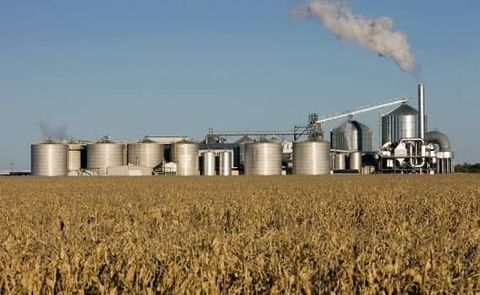
Future improvements in ethanol manufacturing are expected to focus on more efficient raw-material conversion, improved fermentation, lower energy demand, and better integration of production stages.
1. Advanced Enzyme Technology
Enzymes convert complex carbohydrates into simpler sugars that microorganisms can ferment.
Improved enzymes may work more effectively under particular temperatures, acidity levels, and feedstock conditions. They may also help release sugars from materials that are difficult to process.
Research areas include enzyme stability, conversion efficiency, resistance to process inhibitors, and performance across different raw materials.
The practical benefit depends on the complete production system, including enzyme requirements, processing time, and the energy needed for conversion.
2. Improved Fermentation Systems
Fermentation technology converts sugars into ethanol through microbial activity.
Future developments may involve improved yeast strains, better control of temperature and acidity, reduced contamination, and more efficient management of fermentation conditions.
Researchers are also examining microorganisms that can ferment a wider range of sugars, which is particularly relevant to cellulosic feedstocks containing both glucose and other sugars.
Advanced monitoring can help operators identify changes in fermentation performance before they significantly affect production.
3. Cellulosic Ethanol Technology
Cellulosic ethanol aims to convert cellulose and hemicellulose from plant materials into fermentable sugars.
The process commonly involves pretreatment, enzymatic hydrolysis or other sugar-conversion methods, fermentation, and ethanol recovery.
Potential feedstocks include selected crop residues and forestry by-products. Their use can expand raw-material options, but the technology faces several challenges:
Complex plant structures that resist conversion
Energy requirements for pretreatment
Enzyme requirements and performance
Substances that can inhibit fermentation
Collection and storage of bulky raw materials
Process integration and commercial reliability
Future progress will depend on improving the efficiency of these stages together rather than optimizing only one part of the process.
4. Advanced Distillation and Dehydration
Distillation concentrates ethanol by separating it from much of the water and other components in fermented liquid. Dehydration removes additional water to meet the requirements of fuel-grade ethanol.
These stages can require substantial energy.
Future developments may include improved heat recovery, more efficient distillation arrangements, better process control, and advanced separation techniques.
Molecular-sieve dehydration is already used in industrial ethanol production. Further improvements may focus on energy use, equipment reliability, and integration with the rest of the facility.
5. Integrated Biorefineries
A biorefinery uses biological raw materials to produce multiple outputs rather than focusing on a single product.
Depending on the feedstock and plant design, an ethanol biorefinery may produce ethanol alongside useful by-products, process heat, electricity, or other biological products.
Integration can improve resource utilization when the additional outputs have suitable applications and the overall system remains environmentally sound.
The results depend on feedstock composition, process design, energy sources, and the management of residual materials.
Automation and Digital Technologies
Digital systems are becoming increasingly important in industrial production because they can monitor operating conditions, identify process variation, and support consistent quality.
1. Real-Time Process Monitoring
Sensors can measure variables such as temperature, pressure, flow, and selected fermentation indicators.
Continuous monitoring helps operators identify unusual conditions and respond before they cause larger disruptions.
The reliability of the information depends on sensor calibration, maintenance, and the suitability of the measurement method.
2. Artificial Intelligence and Predictive Analytics
Artificial intelligence and statistical models can analyse historical and real-time operating data to identify patterns associated with production performance.
Potential applications include forecasting fermentation behaviour, identifying equipment abnormalities, and supporting maintenance planning.
These systems require reliable data and careful validation. Automated recommendations should be evaluated against process knowledge and safety requirements.
3. Automated Quality Management
Automated sampling, laboratory information systems, calibrated instruments, and digital records can help maintain traceability throughout production and distribution.
These tools can support the verification of ethanol concentration, water content, and other required fuel characteristics.
Automation does not eliminate the need for laboratory verification, quality procedures, or human oversight.
4. Energy Management Systems
Energy-monitoring tools can identify areas where heat, electricity, or fuel is being used inefficiently.
Combined with heat recovery and improved process integration, these systems can help reduce energy consumption per unit of ethanol produced.
The actual improvement depends on the facility's existing equipment, operating conditions, and energy sources.
Future Ethanol Blending Technologies
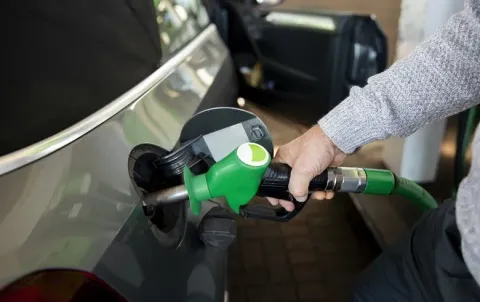
Ethanol blending combines fuel-grade ethanol with petrol at a specified proportion. Future development will involve accurate measurement, consistent quality, improved monitoring, and compatibility with the intended vehicle fleet.
1. Higher-Ethanol Blends
E10, E20, and higher-ethanol blends are used in different markets under different technical and regulatory conditions.
E10 generally contains about 10% ethanol by volume, while E20 contains about 20%. E85 is a high-ethanol fuel designation associated with compatible flex-fuel vehicles in certain markets; its exact composition depends on the applicable specification.
Higher ethanol concentrations can provide different octane characteristics, but they also influence energy content, material compatibility, and engine requirements.
The future use of a particular blend will depend on fuel standards, vehicle design, distribution infrastructure, and manufacturer approval.
2. Precision Blending Systems
Automated blending systems can control the proportions of ethanol and petrol through calibrated flow measurement and mixing equipment.
Future systems may incorporate improved sensors, automated sampling, digital records, and better integration with fuel-quality monitoring.
These technologies can help reduce variation and strengthen traceability.
3. Fuel Quality Monitoring
Quality monitoring ensures that ethanol and the finished petrol blend meet the relevant specifications.
Important characteristics may include ethanol concentration, water content, volatility, octane rating, and other regulated properties.
Future systems may combine laboratory analysis with in-line measurements where suitable validated methods are available. The specific requirements depend on the fuel and jurisdiction.
4. Distribution and Storage Improvements
Ethanol absorbs water, making moisture control an important part of storage and distribution.
Future infrastructure improvements may include better tank management, improved sampling procedures, compatible materials, and more consistent contamination monitoring.
Storage and distribution systems must be designed for the intended fuel and comply with applicable safety and quality requirements.
Environmental Sustainability and Lifecycle Assessment
The future of ethanol production depends not only on how much fuel is manufactured but also on the resources required and the environmental effects associated with its production.
Greenhouse Gas Emissions
Lifecycle assessments consider emissions from agriculture, fertilizer production, feedstock transport, industrial energy, distribution, and fuel use.
Different feedstocks and production methods can produce different results. Ethanol made using lower-carbon process energy may have a different lifecycle profile from ethanol produced using energy-intensive processes powered by fossil fuels.
Water Management
Water is used in feedstock preparation, fermentation, cooling, cleaning, and other industrial operations.
Future facilities may focus on improved water recycling, better wastewater treatment, and more efficient process design. Local water availability must also be considered when evaluating a facility's sustainability.
Land Use and Biodiversity
Crop-based ethanol requires agricultural land and may involve fertilizer and irrigation inputs.
Changes in land use can influence greenhouse gas emissions, soil conditions, and biodiversity. Sustainable feedstock sourcing should consider these effects alongside fuel production efficiency.
Waste Reduction and By-Product Use
Some ethanol facilities can recover useful materials or energy from suitable by-products and residues.
The environmental value depends on the quality of the recovered material, the energy required for processing, and the availability of an appropriate application.
Energy Efficiency
Distillation, dehydration, and other industrial operations require energy. Heat recovery, efficient equipment, and improved process control can reduce energy requirements.
A complete assessment should examine energy use across the entire facility rather than focusing only on fermentation.
Challenges Facing Future Ethanol Production
Despite its potential, ethanol production faces technical, environmental, and infrastructure challenges.
Feedstock Availability
Agricultural materials vary by season, climate, harvest volume, and competing uses. Facilities must consider the reliability and sustainability of their raw-material supply.
Processing Complexity
Cellulosic feedstocks are more difficult to convert than readily fermentable sugars. Pretreatment, enzyme performance, and fermentation inhibitors can affect the process.
Energy Requirements
Distillation and dehydration can require substantial heat. Reducing this demand is important for improving production efficiency and environmental performance.
Infrastructure and Vehicle Compatibility
Higher-ethanol blends require appropriate storage, distribution systems, and compatible vehicles. Existing infrastructure may need assessment before new blends are introduced.
Environmental Trade-Offs
Feedstock cultivation, water use, fertilizer inputs, and land-use changes can affect the overall sustainability of ethanol. Renewable origin alone does not guarantee low lifecycle emissions.
Regulatory Uncertainty
Fuel standards, blending targets, environmental rules, and industrial requirements can change. Manufacturers must monitor current regulations and maintain compliance.
Ethanol Fuel Production in India
India's ethanol blending programme links transportation fuel policy with domestic agricultural and industrial production.
Sugarcane, molasses, grain-based materials, and other suitable feedstocks can contribute to ethanol production, subject to applicable requirements and availability.
Several areas are relevant to future development:
Improving the efficiency of existing sugar-based production facilities
Developing and evaluating suitable agricultural-residue feedstocks
Strengthening fuel-quality testing and blending infrastructure
Improving industrial water and energy management
Supporting research into advanced conversion methods
Ensuring that vehicles are compatible with the intended fuel blends
Policy targets, implementation schedules, and technical standards can change. Current information should be verified through the Ministry of Petroleum and Natural Gas, the Bureau of Indian Standards, and other relevant authorities.
Global Developments in Ethanol Technology
Different countries follow different approaches to ethanol production, depending on feedstock availability, industrial infrastructure, vehicle fleets, and energy policy.
Brazil has a long history of sugarcane-based ethanol production and the use of ethanol in compatible vehicles. The United States has a large grain-based ethanol industry, particularly using corn. Other countries are investigating agricultural residues, advanced conversion technologies, and alternative biological resources.
These approaches demonstrate that ethanol production does not follow a single universal model. The suitability of each pathway depends on local conditions, resource availability, environmental performance, and technical capability.
Skills and Research Areas for the Future
The development of ethanol production requires knowledge from several technical fields.
Industrial biotechnology: Fermentation, microbial performance, and enzyme technology.
Chemical engineering: Distillation, dehydration, heat recovery, and process integration.
Agricultural science: Feedstock productivity, residue management, and sustainable cultivation.
Environmental science: Lifecycle emissions, water management, and land-use assessment.
Automation and control: Sensors, process monitoring, predictive maintenance, and data analysis.
Fuel engineering: Blending systems, fuel properties, vehicle compatibility, and quality testing.
Research across these disciplines can help identify improvements that work under real industrial conditions.
Frequently Asked Questions
1. What is the future of ethanol fuel production?
Future development is likely to focus on sustainable feedstocks, improved fermentation, cellulosic conversion, energy efficiency, digital process monitoring, and accurate fuel blending.
2. What are sustainable feedstocks for ethanol?
Depending on local conditions, these may include sugarcane, molasses, grains, selected agricultural residues, and forestry by-products. Sustainability depends on how the materials are produced, collected, processed, and transported.
3. What is cellulosic ethanol?
Cellulosic ethanol is produced from plant materials containing cellulose and hemicellulose. These materials require additional processing to release sugars before fermentation.
4. How can artificial intelligence help ethanol production?
Artificial intelligence can analyse process data to support monitoring, identify unusual operating patterns, assist maintenance planning, and help improve process consistency when the models are properly validated.
5. Will higher-ethanol fuel blends become more common?
Their use will depend on fuel policies, vehicle compatibility, fuel-quality standards, distribution infrastructure, and local conditions. Adoption will vary by market.
6. Can ethanol production become environmentally sustainable?
Its environmental performance can improve through responsible feedstock sourcing, efficient processing, lower-carbon energy, water management, and reduced waste. The complete lifecycle must be assessed to understand the overall impact.
7. What are the main challenges for cellulosic ethanol?
Challenges include feedstock collection, pretreatment energy, enzyme requirements, fermentation inhibitors, process integration, and reliable large-scale operation.
8. Why is fuel-quality monitoring important?
Monitoring helps ensure that ethanol and finished petrol blends meet required specifications for composition, water content, and other relevant properties. It also supports traceability during production and distribution.
Conclusion
The future of ethanol fuel production will be shaped by sustainable raw materials, advanced processing, improved fermentation, efficient distillation, and more accurate blending technologies. Agricultural residues and cellulosic materials may broaden the feedstock base, while automation and digital monitoring can strengthen process control and fuel quality.
However, progress depends on more than technological development. Reliable raw-material supply, efficient energy use, responsible water management, compatible vehicles, and clear regulatory requirements are also essential.
Evaluating ethanol through its complete production lifecycle provides a more realistic understanding of its role in transportation fuels and renewable energy. Continued research and careful industrial implementation will help determine which technologies are technically practical and environmentally beneficial.
Disclaimer
This article is intended for general educational and informational purposes only. It does not promote any particular brand, manufacturer, product, or commercial transaction. Technologies, fuel specifications, environmental findings, and regulations may change over time and vary by location. Consult current official standards, scientific research, qualified technical professionals, and relevant authorities before making technical, operational, safety, or compliance decisions.

You May Also Like