Jump to a Chapter

Upcoming BYD SEAL U DM-i Overview: Explore Features, Hybrid Basics and Key Details

Upcoming BYD SEAL U DM-i Overview: Explore Features, Hybrid Basics and Key Details

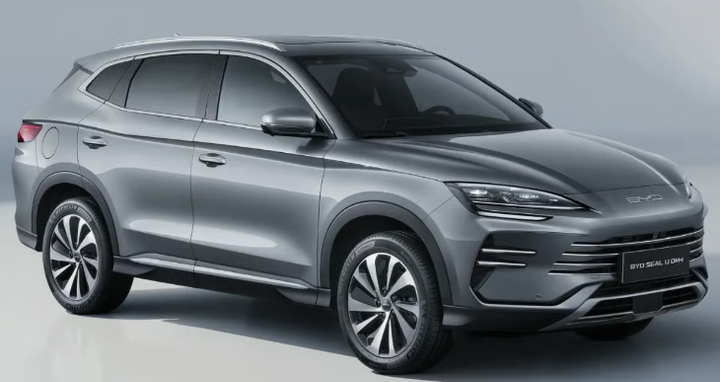
The BYD SEAL U DM-i is a plug-in hybrid SUV that combines electric driving with a petrol engine and hybrid control system. In global markets, BYD presents the SEAL U DM-i as a family-focused plug-in hybrid SUV using a 1.5-litre engine with an electric motor. The vehicle is already listed on BYD’s European platforms, where it is positioned as a practical SUV with hybrid technology, cabin comfort, and long-distance usability.

For India, the topic has become more relevant because BYD India introduced its DM-i technology in June 2026 and announced plans to bring its first plug-in hybrid vehicle to the country later in 2026. Reports identify this model as the Seal U SUV or closely related Sealion 6 DM-i, depending on market naming. The key point is that BYD is preparing to bring its electric-first plug-in hybrid system into India’s premium SUV space.

The DM-i name stands for Dual Mode Intelligent. In simple terms, it is a hybrid system designed to make electric driving the main experience, while the petrol engine supports longer travel and higher energy needs. Unlike a conventional petrol-first hybrid, this format places stronger emphasis on battery-powered movement at lower speeds and regular city conditions.

This is why the upcoming BYD SEAL U DM-i matters as a learning topic. It sits between a full electric vehicle and a traditional hybrid. It can help readers understand how plug-in hybrid technology works, how range estimates should be interpreted, and how charging access affects day-to-day vehicle use.

Importance

Plug-in hybrid SUVs are becoming important because many drivers want electric driving benefits but still have concerns about long-distance planning, charger availability, and battery range. A vehicle like the BYD SEAL U DM-i attempts to address this middle zone by using a rechargeable battery, electric motor, petrol engine, and intelligent energy management.

For city users, the main point is flexibility. Shorter daily routes may depend more on electric energy when the battery is charged. Longer journeys may involve the petrol engine and hybrid control system. This makes the technology useful for people who are learning about EV adoption but still want backup energy for intercity travel.

For families, the SUV format matters because it generally supports cabin space, luggage flexibility, and highway comfort. BYD’s European information mentions 425 litres of boot capacity, expandable to 1,440 litres with rear seats folded, which shows that the model is designed around practical usage and not only powertrain technology.

For the market, the SEAL U DM-i also reflects a broader trend: electrification is not limited to full battery electric vehicles. It also includes plug-in hybrids, strong hybrids, battery platforms, public charging networks, and energy management software. This wider view is important because different regions adopt cleaner mobility at different speeds.

The claimed combined driving range above 1,200 km has received attention in India-related coverage. However, it should be read carefully as a claimed figure, not a guaranteed real-world result. Actual range depends on battery charge, fuel level, traffic, driving style, temperature, terrain, tyre condition, passenger load, and charging pattern. BYD’s own European range calculator states that range estimates are for information and comparison, and actual results may vary.

Feature and Hybrid Basics Overview

The BYD SEAL U DM-i is best understood through four basic layers: the electric motor, the battery, the petrol engine, and the control system. The electric motor supports smooth acceleration and low-speed driving. The battery stores grid-charged energy and regenerative energy. The petrol engine extends driving flexibility when battery energy is low or higher output is required.

AreaSimple ExplanationWhy It Matters
Plug-in hybrid systemUses battery, motor, engine, and controllerSupports electric-first driving with backup energy
Battery packStores energy for electric movementAffects electric driving distance
Petrol engineSupports longer routes and energy needsReduces dependence on charging stops
Regenerative brakingRecovers energy while slowing downHelps improve energy efficiency
Charging accessAllows battery top-up from external pointsImproves electric driving share

The most important concept is not just total range. It is energy use. A plug-in hybrid works best when the user understands when to charge, how to plan routes, and how different driving conditions affect electric and fuel-supported operation.

Recent Updates

The most significant recent update is BYD India’s June 2026 introduction of DM-i technology. Indian automotive coverage reported that BYD’s plug-in hybrid system emphasizes electric-first driving and is expected to support a claimed combined range above 1,200 km.

Another update is the planned India entry of BYD’s first plug-in hybrid SUV later in 2026. The Economic Times reported on June 10, 2026, that BYD India plans to introduce the Seal U SUV based on DM-i technology later in 2026 and that the model would be imported for the Indian market.

The model naming may vary across markets. In Europe, BYD uses the SEAL U DM-i name. In some India-focused reports, the related model is also discussed as the Sealion 6 DM-i. For readers, this means that final India naming, variant details, equipment, and specifications should be checked only from BYD India’s official communication when the local model is announced.

Globally, BYD already promotes the SEAL U DM-i as a plug-in hybrid SUV combining a 1.5-litre engine with an electric motor. European pages also highlight comfort, panoramic roof availability, cabin technology, and practical luggage space.

A useful way to understand the vehicle’s position is this simple scale:

Vehicle TypeEnergy SourceLearning Point
Petrol SUVFuel engineFamiliar refuelling pattern
Strong hybridEngine plus battery supportNo external charging required
Plug-in hybrid SUVExternal charging plus fuel engineElectric-first use with longer route flexibility
Full EVBattery and motor onlyRequires charging-based planning

The SEAL U DM-i sits in the plug-in hybrid category, where the user’s charging habit strongly affects the driving experience.

Laws or Policies

In India, policy discussion around plug-in hybrids is connected to two larger themes: cleaner mobility and charging infrastructure. The PM E-DRIVE scheme was notified in September 2024 and its main implementation period began on October 1, 2024, continuing to March 31, 2026, according to the official PM E-DRIVE platform.

The scheme focuses mainly on electric mobility adoption and supporting public charging infrastructure. A government press release from February 2026 noted that PM E-DRIVE includes a framework for deployment of EV Public Charging Stations and mentions allocation support for charging infrastructure across India, including Tier-2 cities and rural areas.

For plug-in hybrids, the policy position is more nuanced than for full EVs. A plug-in hybrid can use external charging, but it also includes an internal combustion engine. This means tax treatment, registration rules, and eligibility under future clean mobility programs may differ from full battery EVs. Readers should avoid assuming that every EV-related program applies equally to plug-in hybrids.

Charging policy still matters because a plug-in hybrid becomes more efficient when the battery is charged regularly. If public and residential charging access improves, plug-in hybrid users can increase their electric driving share. If charging access is limited, the petrol engine may be used more often, reducing the environmental benefit of the plug-in format.

Policy awareness should include:

  • Central clean mobility schemes
  • State-level EV guidelines
  • Charging infrastructure rules
  • Residential society charging permissions
  • Highway charging availability
  • Emission and fuel efficiency norms
  • Battery safety and vehicle testing standards

For the BYD SEAL U DM-i, these factors will shape how useful the vehicle may be for different users, especially in cities where charging access, parking type, and daily travel distance vary widely.

Tools and Resources

Readers researching the upcoming BYD SEAL U DM-i can use several practical tools to understand the vehicle and plug-in hybrid ownership basics.

Tool or ResourceHow It Helps
BYD official websiteConfirms model details and technology information
Range calculatorHelps understand estimated range behavior
EV charging appsShows public charger locations and connector availability
Route planning mapsHelps plan highway travel and charging points
Government policy portalsProvides updates on clean mobility programs
Owner manual resourcesExplains charging, safety, and maintenance basics
Battery care guidesHelps users understand charging habits
Residential charging checklistHelps apartment users review charging readiness

BYD Europe provides a range calculator for the SEAL U DM-i, but it clearly states that results are estimates for information and comparison, and real-world results may vary. This is important because range numbers should not be treated as fixed daily outcomes.

A simple planning graph can help explain plug-in hybrid usefulness:


Daily City Travel        ██████████ High electric use possible
Weekly Mixed Travel ████████ Balanced hybrid use
Highway Travel ██████ Engine support becomes important
No Regular Charging ████ Electric benefit may reduce
Regular Charging Access █████████ Better plug-in hybrid efficiency


This graph is only a learning aid. Actual performance depends on driving pattern, charging routine, and vehicle specification.

Helpful Research Checklist

Before forming an opinion about the upcoming BYD SEAL U DM-i, readers can use a simple checklist:

  • Check the final India model name from BYD India.
  • Review battery size and electric-only range when officially listed.
  • Compare claimed range with real-world test reports after local drives begin.
  • Understand charger compatibility and home charging needs.
  • Study boot space, cabin layout, safety equipment, and driver assistance features.
  • Review warranty terms only from official documents.
  • Check whether local charging access matches daily travel needs.
  • Read policy updates from official government sources.

This approach keeps research factual and avoids relying on incomplete assumptions.

FAQs

What is the BYD SEAL U DM-i?

The BYD SEAL U DM-i is a plug-in hybrid SUV sold in global markets. It combines a petrol engine, electric motor, battery, and hybrid control system. The DM-i system is designed around electric-first operation, with the engine supporting longer range and extra energy needs.

Is the BYD SEAL U DM-i a full electric vehicle?

No. It is not a full battery electric vehicle. It is a plug-in hybrid. That means it can use externally charged battery energy, but it also has a petrol engine. This gives it a different usage pattern compared with a full EV.

What does DM-i mean?

DM-i means Dual Mode Intelligent. It is BYD’s plug-in hybrid technology. The system is designed to prioritize electric movement in many driving conditions and use the engine when required for extended range or added energy demand.

Is the claimed range fixed for every driver?

No. Range claims are based on testing conditions and assumptions. Real-world range depends on battery charge, fuel level, traffic, road type, climate, vehicle load, tyre condition, and driving style. BYD’s range calculator also states that estimates are for information and comparison, and actual results may vary.

Why is the SEAL U DM-i important for India?

It is important because BYD India has introduced DM-i technology and plans to bring a plug-in hybrid SUV to India later in 2026. This may add another electrified option for users who want electric-style driving but also need longer route flexibility.

Conclusion

The upcoming BYD SEAL U DM-i is an important plug-in hybrid SUV topic because it connects electric driving, hybrid engineering, charging awareness, and long-distance usability. It is not just a vehicle name; it is also a useful example of how automakers are developing intermediate technologies between traditional fuel vehicles and full EVs.

For general readers, the most useful way to understand the SEAL U DM-i is to focus on basics: how DM-i works, why charging habits matter, how claimed range should be interpreted, and how policy and infrastructure shape the ownership experience. The final India-specific model details should be verified only through BYD India’s official updates when the local version is announced.

As a learning topic, the BYD SEAL U DM-i helps explain the future of plug-in hybrid SUVs in India. It shows why battery knowledge, range awareness, charging resources, and policy literacy are becoming essential for anyone exploring electrified mobility.

author-image

Saurabh Chawla

We are a performance-driven media buying team focused on scaling brands through smart, data-backed advertising strategies

June 11, 2026 . 8 min read