Understanding how HIV is transmitted—and how it is not transmitted—can help people make informed health decisions and reduce misinformation.
HIV prevention is not based on one method alone. Different strategies may be appropriate depending on a person's circumstances, exposure risks, health needs, and access to healthcare.
1. What Is HIV?
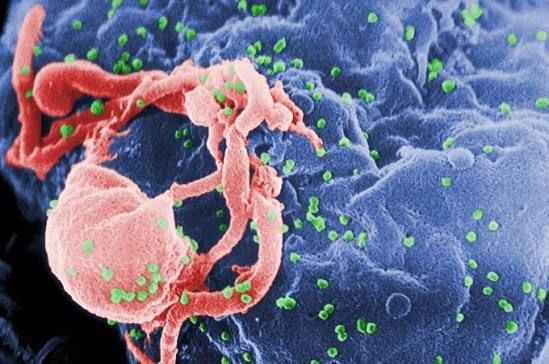
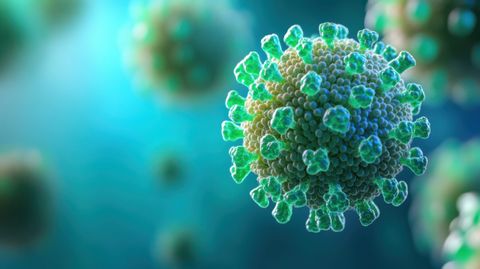
HIV, or human immunodeficiency virus, affects the body's immune system, particularly cells that help coordinate immune responses.
Without effective treatment, HIV can progressively weaken the immune system and may eventually lead to AIDS. Modern antiretroviral therapy can suppress HIV, protect immune function, and significantly improve health outcomes.
HIV can be transmitted through certain body fluids, including:
-
Blood
-
Semen
-
Vaginal fluids
-
Rectal fluids
-
Breast milk
HIV is not transmitted through ordinary casual contact, such as hugging, shaking hands, sharing food, or sitting near someone.
2. Why HIV Prevention Matters
Prevention can help reduce new HIV infections while encouraging people to know their HIV status and access healthcare when needed.
Important goals of HIV prevention include:
-
Reducing HIV transmission
-
Supporting regular testing
-
Encouraging early diagnosis
-
Connecting people with treatment
-
Supporting healthy communities
-
Reducing HIV-related stigma
-
Improving access to reliable information
Modern prevention focuses on combining biomedical, behavioral, and public-health approaches.
3. How HIV Is Transmitted
HIV transmission occurs when certain body fluids containing HIV come into contact with susceptible tissue or directly enter the bloodstream.
Important transmission routes include:
-
Anal or vaginal sex involving exposure to HIV
-
Sharing needles or injection equipment
-
Transmission during pregnancy or childbirth
-
Breastfeeding
-
Certain exposures involving contaminated blood
The likelihood of transmission varies depending on factors such as viral load, type of exposure, prevention methods, and whether effective HIV treatment is being used.
4. HIV Prevention Methods
There are several established approaches to HIV prevention.
Condoms
Condoms can substantially reduce HIV transmission when used correctly and consistently. They can also help reduce the risk of several other sexually transmitted infections.
PrEP
Pre-exposure prophylaxis, or PrEP, uses HIV medicines to reduce the risk of acquiring HIV in people who do not have HIV.
PEP
Post-exposure prophylaxis, or PEP, is medication taken after a possible HIV exposure. It is a time-sensitive intervention.
HIV Testing
Testing helps people learn their HIV status and access appropriate healthcare.
HIV Treatment
Effective HIV treatment can suppress viral load. When a person with HIV maintains an undetectable viral load through effective treatment, they do not sexually transmit HIV.
5. HIV Testing Explained
HIV testing is one of the most important prevention tools.
A person cannot reliably determine their HIV status from symptoms or appearance. Testing is the only way to know whether HIV infection has occurred.
Common HIV tests include:
-
Antibody tests
-
Antigen/antibody tests
-
Nucleic acid tests (NATs)
Each test detects HIV in a different way and may have a different window period.
6. The HIV Testing Window Period
The window period is the time between potential HIV exposure and the point at which a particular test can reliably detect infection.
Testing immediately after exposure may not detect a very recent infection.
The window period depends on:
-
Test type
-
Time since exposure
-
Individual immune response
-
Testing technology
If a recent exposure has occurred, a healthcare professional can recommend an appropriate testing schedule and determine whether additional testing is necessary.
7. PrEP for HIV Prevention
PrEP, or pre-exposure prophylaxis, is designed for people who do not have HIV and may have an increased likelihood of HIV exposure.
When taken as prescribed, PrEP is highly effective at reducing the risk of acquiring HIV.
Depending on the country and medical guidance, PrEP may be available in different forms and dosing options.
Before starting PrEP, healthcare providers generally confirm HIV status and evaluate other relevant health considerations.
8. PrEP and PEP: What's the Difference?
Although their names are similar, PrEP and PEP are used at different times.
PrEP = Before exposure
PrEP is taken to prevent HIV before potential exposure.
PEP = After exposure
PEP is taken after a possible exposure to reduce the chance of HIV infection.
PEP should be started as soon as possible and generally within 72 hours of a potential exposure.
9. PEP and Emergency HIV Prevention
If someone believes they have recently experienced a possible HIV exposure, prompt medical evaluation is important.
A healthcare professional can assess:
-
What type of exposure occurred
-
How recently it occurred
-
Whether PEP is appropriate
-
Which medication regimen is suitable
-
When HIV testing should occur
-
Whether other testing or follow-up is necessary
Because PEP is time-sensitive, waiting for symptoms is not an appropriate way to determine whether treatment should be considered.
10. HIV Treatment as Prevention
HIV treatment is an important part of modern prevention.
Antiretroviral therapy, commonly known as ART, can reduce HIV in the blood to an undetectable level.
When a person with HIV takes treatment as prescribed and maintains an undetectable viral load, they do not sexually transmit HIV. This is known as:
U=U — Undetectable = Untransmittable.
U=U is supported by extensive scientific evidence and has become an important message in HIV prevention and education.
11. Understanding Viral Load
Viral load refers to the amount of HIV present in a person's blood.
Effective ART can dramatically reduce viral load.
When viral suppression is maintained, the risk of sexual transmission is effectively eliminated.
However, people taking HIV treatment should continue following their healthcare professional's guidance and should not stop or change medication without medical advice.
12. HIV Prevention During Pregnancy
HIV can potentially be transmitted from a person with HIV to their baby during:
-
Pregnancy
-
Labor and delivery
-
Breastfeeding
Appropriate medical care can greatly reduce this risk.
Care may include:
-
HIV testing
-
Antiretroviral treatment
-
Monitoring viral load
-
Medication for the infant
-
Appropriate feeding guidance
The recommended approach can depend on individual circumstances and local medical guidelines.
13. Preventing HIV Through Safer Injection Practices
Sharing needles, syringes, or other injection equipment can expose a person to blood containing HIV.
Prevention approaches include:
-
Using sterile injection equipment
-
Never sharing needles or syringes
-
Using available needle and syringe programs
-
Getting HIV testing
-
Getting hepatitis testing when appropriate
-
Connecting with healthcare and harm-reduction programs
These approaches can also help reduce transmission of other blood-borne infections.
14. HIV and Other STIs
Other sexually transmitted infections can sometimes increase the likelihood of HIV acquisition or transmission.
Certain STIs can cause:
-
Sores
-
Inflammation
-
Irritation
-
Breaks in skin or mucous membranes
Regular STI screening and appropriate treatment can therefore be part of a broader sexual-health strategy.
15. HIV Prevention and Sexual Health
Good communication can support informed prevention decisions.
Partners may discuss:
-
HIV testing
-
STI testing
-
Condom use
-
PrEP
-
Recent potential exposures
-
HIV treatment status
-
Other prevention preferences
These conversations can encourage informed choices and reduce misunderstandings.
16. HIV Prevention Myths
Myth 1: HIV spreads through casual contact.
Fact: HIV does not spread through hugging, handshakes, sharing food, or ordinary social interaction.
Myth 2: Someone's appearance can reveal their HIV status.
Fact: HIV status cannot be determined by appearance.
Myth 3: PrEP is HIV treatment.
Fact: PrEP is used to prevent HIV in people who do not have HIV. Treatment for HIV uses antiretroviral therapy.
Myth 4: A test immediately after exposure always gives a definitive answer.
Fact: A test performed during the window period may not detect a recent infection.
Myth 5: A person with an undetectable viral load can sexually transmit HIV.
Fact: A person with HIV who maintains an undetectable viral load through effective treatment does not sexually transmit HIV.
17. HIV Prevention and Stigma
Stigma can make people hesitant to discuss HIV, seek testing, or access treatment.
Accurate information can help challenge misconceptions.
Important principles include:
-
HIV is a medical condition.
-
HIV status does not define someone's character.
-
Testing is an important healthcare tool.
-
People living with HIV deserve dignity and privacy.
-
Prevention information should be based on scientific evidence.
Reducing stigma can make prevention and healthcare more accessible.
18. Combining HIV Prevention Methods
Using more than one prevention strategy may provide additional protection depending on individual circumstances.
A prevention approach could include:
-
Regular HIV testing
-
Condom use
-
PrEP when appropriate
-
PEP after a qualifying exposure
-
STI screening
-
Sterile injection equipment
-
Effective HIV treatment
The appropriate combination depends on personal circumstances and should be discussed with a healthcare professional when needed.
19. What to Do After a Possible HIV Exposure
If you believe you have recently been exposed to HIV:
-
Seek medical attention promptly.
-
Ask whether PEP may be appropriate.
-
Discuss HIV testing.
-
Follow the recommended testing schedule.
-
Discuss STI testing where appropriate.
-
Follow medical guidance about additional prevention measures.
Remember that PEP is time-sensitive and generally needs to begin within 72 hours of a potential exposure.
20. Public Health Approach to HIV Prevention
HIV prevention is also a community-level effort.
Public health programs can include:
-
HIV education
-
Testing programs
-
PrEP awareness
-
PEP awareness
-
Condom distribution
-
Harm-reduction programs
-
HIV treatment access
-
Maternal healthcare
-
STI screening
-
Anti-stigma campaigns
These measures can complement individual prevention decisions.
21. HIV Prevention and Early Diagnosis
Early HIV diagnosis allows people to access treatment sooner.
Early treatment can:
-
Protect immune function
-
Reduce the amount of HIV in the body
-
Improve long-term health outcomes
-
Prevent sexual transmission when viral suppression is maintained
For this reason, testing is valuable even when a person feels healthy.
22. Building an HIV Prevention Plan
A practical prevention plan can start with understanding personal circumstances.
Consider:
-
When you last had an HIV test
-
Whether you may have experienced a recent exposure
-
Whether condoms are appropriate for your circumstances
-
Whether PrEP may be suitable
-
Whether PEP could be needed after a recent exposure
-
Whether STI testing is appropriate
-
Whether you need professional guidance
A healthcare professional can help translate these considerations into an appropriate prevention strategy.
23. Important HIV Prevention Facts
A few facts summarize the modern approach to HIV prevention:
-
HIV is preventable.
-
HIV testing is the only way to know HIV status.
-
PrEP can substantially reduce HIV acquisition risk.
-
PEP is available after certain potential exposures and is time-sensitive.
-
Condoms can reduce HIV transmission risk.
-
Sharing injection equipment can transmit HIV.
-
Effective HIV treatment can suppress viral load.
-
People with sustained undetectable viral load do not sexually transmit HIV.
-
HIV does not spread through ordinary casual contact.
-
Accurate information can help reduce HIV stigma.
FAQs
What is HIV prevention?
HIV prevention refers to strategies used to reduce the risk of acquiring or transmitting HIV. These include testing, condoms, PrEP, PEP, effective HIV treatment, safer injection practices, and health education.
What is the difference between PrEP and PEP?
PrEP is taken before potential HIV exposure, while PEP is taken after a possible exposure. PEP is time-sensitive and generally needs to begin within 72 hours.
How can I know my HIV status?
HIV testing is the only reliable way to determine your HIV status. Different tests have different window periods, so testing recommendations can depend on when a potential exposure occurred.
Can HIV be prevented during pregnancy?
Yes. Appropriate medical care, HIV treatment, viral-load monitoring, and infant care can substantially reduce the risk of transmission from a person with HIV to their baby.
Can someone with HIV transmit HIV when their viral load is undetectable?
A person with HIV who maintains an undetectable viral load through effective treatment does not sexually transmit HIV. This is known as U=U.
Conclusion
HIV prevention has developed into a comprehensive approach that combines testing, medication, treatment, safer practices, education, and public health measures.
PrEP can help prevent HIV before exposure, while PEP can help reduce the chance of infection after certain potential exposures. Condoms remain an important prevention option, and regular HIV testing helps people understand their status.
For people living with HIV, effective treatment can suppress the virus and prevent sexual transmission when an undetectable viral load is maintained.
The most important prevention principle is simple: accurate information, timely testing, and appropriate healthcare can make a meaningful difference.
Disclaimer
This article is intended for general educational and informational purposes only and is not a substitute for professional medical advice, diagnosis, or treatment. HIV prevention, testing, PrEP, PEP, HIV treatment, pregnancy care, and other healthcare decisions should be discussed with a qualified healthcare professional. Medical recommendations, medication availability, and testing guidance can vary by country and individual circumstances. If you believe you have recently been exposed to HIV, seek prompt medical attention because PEP is time-sensitive.