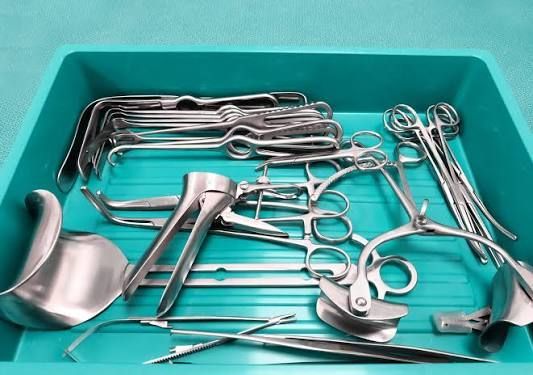
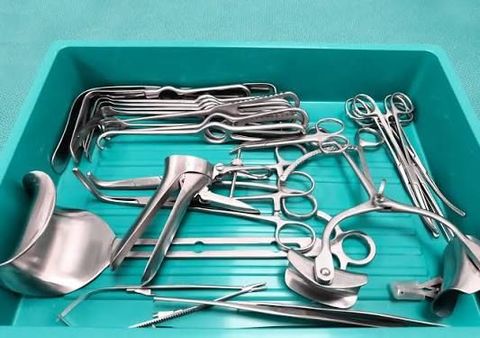
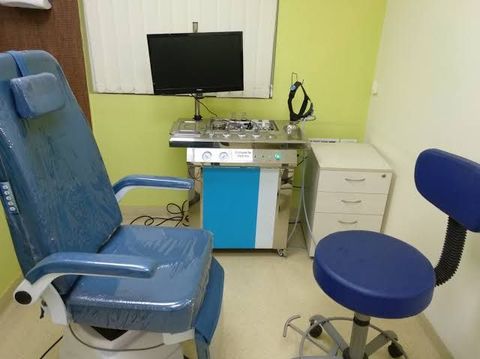
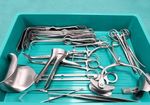
From basic scalpels and forceps to operating tables, surgical lights, anesthesia equipment, suction systems and advanced imaging devices, every item has a specific role within the surgical workflow.
Understanding these categories helps explain how an operating room functions as a coordinated system rather than simply a collection of medical instruments.
1. What Are Operating Room Surgical Items?
Operating room surgical items include the instruments, equipment, supplies and supporting medical devices used before, during and immediately after surgical procedures.
They can broadly be divided into:
-
Surgical instruments
-
Sterile supplies
-
Surgical consumables
-
Operating-room equipment
-
Anesthesia equipment
-
Patient-monitoring systems
-
Electrosurgical equipment
-
Suction and fluid-management systems
-
Visualization and imaging equipment
-
Protective equipment
-
Sterilization and instrument-processing resources
The exact combination varies according to the surgical specialty and procedure.
2. Surgical Instruments
Surgical instruments are precision tools designed to perform specific procedural functions.
Major categories include:
Cutting Instruments
Used to cut or dissect tissue.
Examples include:
-
Scalpels
-
Surgical scissors
-
Specialized dissecting instruments
Grasping Instruments
Used to hold tissue or other materials.
Examples include:
-
Forceps
-
Tissue graspers
-
Specialized holding instruments
Clamping Instruments
Used for controlled compression or temporary occlusion.
Examples include:
-
Hemostatic clamps
-
Vascular clamps
-
Procedure-specific clamps
Retractors
Used to maintain access and visibility within the operative field.
They can be:
-
Hand-held
-
Self-retaining
-
Specialty-specific
Suturing Instruments
Needle holders and related instruments support tissue closure and suturing procedures.
3. Common General Surgical Instruments
A basic surgical instrument set may contain several functional categories.
| Instrument Category | Primary Function |
|---|
| Scalpel | Cutting |
| Scissors | Cutting and dissection |
| Forceps | Grasping and tissue handling |
| Clamps | Holding or controlling tissue |
| Retractors | Maintaining surgical access |
| Needle holders | Supporting suturing |
| Suction instruments | Removing fluids |
| Specimen instruments | Handling tissue or specimens |
The exact set depends on the surgical procedure.
4. Specialty-Specific Instruments
Different surgical specialties require specialised instruments.
Orthopaedic Instruments
May support:
-
Bone preparation
-
Drilling
-
Cutting
-
Fixation
-
Implant-related procedures
Neurosurgical Instruments
Generally focus on precision and delicate tissue handling.
Ophthalmic Instruments
Are typically small and highly specialised for delicate anatomical structures.
Cardiovascular Instruments
Can include specialised instruments for vascular and cardiac procedures.
ENT Instruments
Are designed for procedures involving the ear, nose and throat.
Gynecological Instruments
Can include specialised devices for examination and surgical procedures.
The principle is simple: the procedure determines the instrument set.
5. Operating Tables
The operating table provides stable support and positioning for the patient.
Modern operating tables can provide features such as:
-
Height adjustment
-
Adjustable positioning
-
Tilting functions
-
Specialty accessories
-
Radiolucent sections in selected designs
-
Weight-capacity considerations
Table configuration is selected according to the procedure and clinical requirements.
6. Surgical Lights
Surgical lights provide focused illumination of the operative field.
Important characteristics can include:
-
Adjustable positioning
-
Light intensity
-
Colour rendering
-
Shadow management
-
Sterile-field compatibility
-
Energy efficiency
Good illumination supports accurate visualisation during procedures.
7. Anesthesia Equipment
Anesthesia systems support the administration and monitoring of anesthesia when required.
Common components include:
-
Anesthesia machines
-
Ventilators
-
Breathing circuits
-
Airway equipment
-
Oxygen-delivery systems
-
Suction equipment
-
Anesthesia monitoring systems
WHO resources for surgical environments include anesthesia systems, oxygen equipment, airway devices and monitoring equipment among relevant operating-theatre equipment.
8. Patient Monitoring Equipment
Patient monitoring allows the clinical team to observe important physiological parameters.
Depending on the procedure, systems can monitor:
-
Heart rate
-
ECG
-
Blood pressure
-
Oxygen saturation
-
Respiratory parameters
-
Temperature
-
Carbon dioxide levels
Monitoring requirements vary according to patient condition, anesthesia and procedure.
9. Electrosurgical Equipment
Electrosurgical equipment uses electrical energy for specific surgical applications.
Common components can include:
-
Electrosurgical generators
-
Active electrodes
-
Return electrodes
-
Procedure-specific accessories
Proper operation requires trained personnel and adherence to equipment instructions and clinical safety protocols.
10. Surgical Suction Equipment
Suction systems help remove unwanted fluids or materials from the operative field.
A typical system can include:
Suction Source → Tubing → Collection Container → Suction Instrument
Applications can include removal of:
-
Blood
-
Irrigation fluids
-
Secretions
-
Other fluids encountered during procedures
11. Surgical Consumables
Consumables are supplies used during procedures that may be discarded after use or processed according to their intended design.
Examples include:
-
Surgical gloves
-
Masks
-
Sterile gowns
-
Drapes
-
Gauze
-
Surgical sponges
-
Sutures
-
Needles
-
Syringes
-
Medical tubing
-
Dressings
WHO identifies many of these products within categories of medical devices and essential surgical supplies.
12. Surgical Gloves
Surgical gloves provide a sterile barrier during procedures.
Important considerations include:
-
Sterility
-
Size
-
Material
-
Fit
-
Barrier characteristics
-
Intended procedure
Healthcare facilities should follow applicable infection-prevention procedures and manufacturer instructions.
13. Surgical Gowns and Drapes
Sterile gowns and drapes help establish appropriate protective barriers.
Drapes can help define the operative field, while gowns provide protection for members of the surgical team.
Depending on the product, these may be:
-
Disposable
-
Reusable
-
Sterile
-
Procedure-specific
14. Surgical Gauze and Sponges
Gauze and surgical sponges are commonly used for fluid absorption and other procedural purposes.
They may support:
-
Fluid absorption
-
Cleaning
-
Tissue protection
-
Hemostasis
-
Wound management
Appropriate counting and tracking procedures are important components of surgical safety.
15. Surgical Sutures
Sutures are used for tissue approximation and wound closure.
They can be classified according to characteristics such as:
-
Absorbability
-
Filament structure
-
Material
-
Size
-
Tissue application
Absorbable Sutures
Designed to gradually break down within the body.
Non-Absorbable Sutures
Designed to remain for longer periods and may require removal depending on their application.
The appropriate suture depends on the procedure and clinical requirements.
16. Surgical Needles and Syringes
Needles and syringes can be used for several clinical tasks.
Examples include:
-
Medication administration
-
Local anesthesia
-
Irrigation
-
Fluid management
-
Sample collection
Selection depends on the intended application, size and clinical protocol.
17. Endoscopy Equipment
Endoscopic systems allow clinicians to visualise internal structures through specialised optical or digital equipment.
Components can include:
-
Endoscopes
-
Camera systems
-
Light sources
-
Monitors
-
Trocars
-
Graspers
-
Specialized instruments
These systems are commonly associated with minimally invasive procedures.
18. Surgical Imaging Systems
Certain procedures require imaging or visualisation technologies.
Examples include:
-
Surgical microscopes
-
Fluoroscopy
-
Ultrasound
-
Endoscopic imaging
-
Image-guided navigation
These technologies can support visualisation and procedural guidance.
19. Operating Room Medical Gas Systems
Medical gases can play an important role in operating-room infrastructure.
Depending on the facility, systems may provide:
-
Oxygen
-
Medical air
-
Nitrous oxide
-
Vacuum
-
Other gases required for specific clinical applications
Gas systems require appropriate installation, monitoring and safety procedures.
20. Sterilization and Instrument Processing
Reusable surgical instruments require appropriate cleaning and sterilization before reuse.
A simplified workflow is:
Collection → Cleaning → Inspection → Packaging → Sterilization → Storage → Distribution
The CDC identifies cleaning as an essential step before sterilization and recommends appropriate sterilization methods based on the type of instrument and its resistance to heat, moisture and other conditions.
21. Cleaning Before Sterilization
Sterilization is not a substitute for cleaning.
Organic and inorganic material should be appropriately removed before sterilization because contamination can interfere with effective processing.
The CDC's infection-control guidance emphasises cleaning as an essential component of successful disinfection and sterilization.
22. Steam Sterilization
Steam sterilization is commonly used for critical instruments that can tolerate heat, pressure and moisture.
The CDC describes steam as the preferred method for sterilizing heat- and moisture-stable critical medical and surgical instruments.
Heat- or moisture-sensitive devices may require other validated sterilization technologies.
23. Reusable vs Single-Use Items
Operating rooms use both reusable and single-use products.
Reusable Items
Examples can include:
-
Many stainless-steel instruments
-
Retractors
-
Clamps
-
Certain surgical equipment
These require validated reprocessing.
Single-Use Items
Examples can include:
-
Some syringes
-
Selected gloves
-
Certain drapes
-
Some tubing
-
Procedure-specific disposable devices
The intended use and manufacturer instructions determine whether an item should be reused or discarded.
24. Surgical Instrument Materials
Material selection affects instrument performance and durability.
Common materials include:
-
Stainless steel
-
Titanium
-
Aluminium
-
Medical-grade polymers
-
Silicone
-
Specialised alloys
Important properties can include:
-
Strength
-
Corrosion resistance
-
Weight
-
Durability
-
Sterilization compatibility
-
Precision
25. Instrument Ergonomics
Instrument ergonomics can affect comfort, control and handling.
Design factors include:
-
Handle shape
-
Grip
-
Weight
-
Balance
-
Jaw configuration
-
Tip geometry
-
Locking mechanism
Ergonomic considerations become particularly relevant during lengthy or repetitive procedures.
26. Operating Room Safety Supplies
Safety-related supplies may include:
-
Protective eyewear
-
Masks
-
Gloves
-
Gowns
-
Sharps containers
-
Waste containers
-
Protective barriers
Appropriate PPE and waste-management procedures should follow facility protocols and applicable requirements.
27. Surgical Waste Management
Operating rooms generate different categories of waste.
Waste-management systems may address:
-
Sharps
-
Contaminated materials
-
Disposable medical products
-
Packaging
-
Biological materials
Healthcare facilities follow applicable waste-segregation and disposal requirements to reduce occupational and environmental risks.
28. Surgical Instrument Tracking
Instrument tracking can improve visibility across the reprocessing cycle.
Digital systems may track:
-
Instrument identification
-
Instrument sets
-
Sterilization cycles
-
Processing status
-
Location
-
Maintenance
-
Usage history
Tracking becomes especially valuable in larger operating environments with many instrument sets.
29. Surgical Inventory Management
Inventory management helps maintain appropriate quantities of essential items.
Important inventory categories can include:
-
Instruments
-
Sterile sets
-
Consumables
-
Sutures
-
Protective equipment
-
Procedure-specific devices
Digital inventory systems can support:
-
Stock monitoring
-
Expiry tracking
-
Replenishment planning
-
Usage records
-
Traceability
30. Integrated Operating Rooms
An integrated operating room connects multiple equipment and information systems.
Potentially connected technologies include:
-
Surgical lights
-
Operating tables
-
Imaging
-
Endoscopy
-
Patient monitoring
-
Digital displays
-
Documentation systems
Integration can help create a more coordinated workflow while reducing unnecessary equipment movement.
31. Robotic Surgical Systems
Robotic surgical technology combines specialised instruments, imaging and computer-controlled systems.
Components may include:
-
Robotic arms
-
Surgical instruments
-
Camera systems
-
Control consoles
-
Digital interfaces
These systems are intended for selected procedures and require specialised training, infrastructure and clinical protocols.
32. Smart Operating Room Technology
Modern operating rooms increasingly incorporate digital technology.
Emerging areas include:
-
Automated equipment tracking
-
Digital documentation
-
AI-assisted imaging
-
Connected monitoring
-
Surgical navigation
-
Robotic assistance
-
Data analytics
The broader medical-device ecosystem increasingly combines physical equipment with software and connected digital technologies.
33. How Operating Room Items Work Together
An operating room can be viewed as a coordinated workflow.
Before Surgery
-
Instruments are prepared
-
Sterile supplies are organised
-
Equipment is checked
-
Patient-monitoring systems are prepared
-
Anesthesia equipment is assessed
During Surgery
-
Surgical instruments support the procedure
-
Monitoring systems track physiological parameters
-
Anesthesia equipment supports anesthesia management
-
Suction systems manage fluids
-
Lighting and imaging support visibility
After Surgery
-
Used instruments are collected
-
Reusable equipment enters reprocessing
-
Waste is segregated
-
Supplies are documented
-
Equipment is returned to appropriate storage or processing areas
This workflow demonstrates why operating-room equipment should be considered as an interconnected system.
34. Factors for Selecting Operating Room Items
Selection should consider:
Procedure
What type of procedure will the item support?
Function
What task is the item designed to perform?
Compatibility
Will it work with other equipment?
Sterilization
Can it be appropriately processed?
Ergonomics
Is it suitable for the intended handling and duration of use?
Quality
Does it meet relevant quality and regulatory requirements?
Infrastructure
Does the facility support its installation and operation?
Training
Are appropriate personnel trained to use it?
35. Common Challenges
Operating rooms may encounter challenges such as:
Equipment Compatibility
Different devices may require compatible accessories or connections.
Instrument Organisation
Large instrument sets can become difficult to manage without structured organisation.
Sterilization Workflow
Reusable instruments require consistent processing and monitoring.
Inventory Control
Consumables and procedure-specific supplies need systematic management.
Staff Training
Complex equipment requires appropriate user competency.
Maintenance
Equipment needs preventive maintenance and inspection.
36. Practical Operating Room Checklist
A general checklist can include:
Surgical Instruments
-
Scalpels
-
Scissors
-
Forceps
-
Clamps
-
Retractors
-
Needle holders
-
Procedure-specific instruments
Sterile Supplies
-
Gloves
-
Gowns
-
Drapes
-
Gauze
-
Surgical sponges
-
Sutures
Major Equipment
-
Operating table
-
Surgical lights
-
Anesthesia system
-
Patient monitor
-
Suction system
Technology
-
Endoscopy
-
Surgical imaging
-
Electrosurgical equipment
-
Navigation systems
-
Digital documentation
Safety
-
PPE
-
Sharps containers
-
Waste-management supplies
-
Emergency equipment
The exact checklist should always be adapted to the procedure and facility protocols.
37. Future of Operating Room Equipment
The operating room of the future is likely to become increasingly connected.
Major areas of development include:
-
Artificial intelligence
-
Robotics
-
Digital imaging
-
Surgical navigation
-
Automated inventory management
-
Connected monitoring
-
Data analytics
-
Integrated operating-room platforms
The objective is not simply to introduce more technology. The larger goal is to create safer, more organised and data-connected surgical workflows.
FAQs
What are the main types of operating-room surgical items?
They include surgical instruments, sterile supplies, consumables, operating tables, surgical lights, anesthesia equipment, patient monitors, suction systems, imaging equipment and procedure-specific technology.
What are the most common surgical instruments?
Common categories include scalpels, scissors, forceps, clamps, retractors, needle holders and suction instruments.
Why is sterilization important for surgical instruments?
Proper sterilization reduces the risk of microorganisms being transferred through reusable critical instruments. Appropriate cleaning and sterilization procedures are essential parts of instrument processing.
What equipment is used alongside surgical instruments?
Operating rooms can include operating tables, surgical lights, anesthesia systems, patient monitors, suction systems, electrosurgical equipment and imaging technologies.
Are all operating-room items reusable?
No. Some products are designed for single use, while others are designed for validated reuse and reprocessing. Manufacturer instructions and applicable requirements should always be followed.
Conclusion
Operating-room surgical items form a complete ecosystem of instruments, supplies, equipment and technology.
Basic tools such as scalpels, forceps, clamps and retractors work alongside surgical tables, lighting, anesthesia equipment, monitoring systems, suction devices, sterile supplies and advanced imaging technologies.
The effectiveness of an operating environment depends not only on the quality of individual items but also on how they fit into the wider workflow. Proper preparation, sterilization, equipment maintenance, inventory management, staff training and safety procedures all contribute to an organised surgical environment.
As technology advances, operating rooms are becoming increasingly connected through digital imaging, robotics, AI, automation and integrated information systems. Yet the fundamentals remain unchanged: appropriate equipment selection, safe handling, validated processing and qualified clinical use remain essential.
Disclaimer
This article is intended for general educational and informational purposes only. It does not constitute medical, surgical, regulatory or professional advice and does not recommend any particular surgical instrument, equipment, manufacturer or technology. Operating-room requirements vary according to the procedure, healthcare facility, patient circumstances and applicable regulations. Surgical instruments and medical devices should only be selected, handled, sterilized and used by appropriately trained healthcare professionals in accordance with manufacturer instructions, validated procedures and applicable clinical and regulatory requirements.