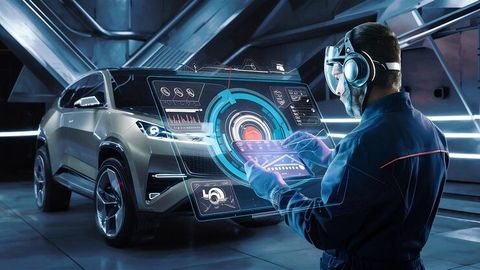
Tata Tiago vs VinFast VF 7: In-Depth Comparison of Advanced Technology, Comfort, Connectivity, and Performance
The automotive industry is evolving rapidly as manufacturers integrate advanced technology, digital connectivity, intelligent safety systems, and improved driving experiences into modern vehicles. Consumers today often evaluate automobiles based not only on transportation capabilities but also on comfort, software integration, and long-term usability.
A comparison between Tata Tiago and VinFast VF 7 highlights how different vehicle categories approach modern mobility. While the Tata Tiago is widely recognized as a compact hatchback designed for practical everyday transportation, the VinFast VF 7 represents a newer generation of technology-focused electric mobility solutions.
As connected vehicle ecosystems continue to expand globally, understanding the strengths and limitations of different vehicle platforms has become increasingly important. Features such as driver assistance systems, infotainment software, digital interfaces, and energy efficiency now play a significant role in decision-making.
For beginners and experienced automotive enthusiasts alike, examining these two vehicles provides valuable insight into current automotive trends and future mobility developments. The following sections explore technology, comfort, connectivity, performance, and practical considerations in greater detail.
Who it affects and what problems it solves
Vehicle comparisons are relevant to a broad audience, including consumers, fleet operators, transportation professionals, automotive researchers, and technology enthusiasts. As vehicles become increasingly software-driven, understanding how different models address mobility needs helps users make informed decisions.
For individual drivers, factors such as comfort, digital connectivity, and performance directly affect daily transportation experiences. Many consumers seek vehicles that integrate seamlessly with smartphones, navigation systems, and digital services while maintaining reliability and ease of operation.
Organizations managing transportation assets also benefit from understanding differences in efficiency, maintenance requirements, and technological capabilities. Modern vehicle platforms increasingly rely on software updates, predictive diagnostics, and intelligent monitoring systems that can improve operational management.
One common challenge is comparing vehicles from different segments. A compact hatchback and an electric crossover may serve different purposes, making direct evaluation more complex. Consumers sometimes focus exclusively on performance specifications while overlooking practical considerations such as interior comfort, software usability, and long-term adaptability.
Another frequent mistake involves assuming that newer technology automatically delivers a better experience. In reality, the effectiveness of automotive technology depends on implementation quality, user experience design, and compatibility with everyday driving needs.
By examining both vehicles across multiple categories, users can gain a balanced understanding of how different automotive approaches solve mobility challenges in real-world situations.
Recent updates and industry trends
Over the past year, the automotive sector has continued accelerating toward connected, software-enabled transportation solutions. Vehicle manufacturers increasingly integrate cloud connectivity, over-the-air software updates, advanced driver assistance technologies, and digital control systems.
Recent industry research suggests that consumers place growing importance on infotainment quality, smartphone integration, and intelligent safety features. Many organizations globally are investing heavily in vehicle software platforms to improve user experience and operational efficiency.
Electric vehicle development has also expanded significantly. Manufacturers continue improving battery management systems, energy optimization software, charging ecosystem compatibility, and predictive maintenance technologies. These developments contribute to greater usability and enhanced vehicle performance.
Automation features have evolved through smarter sensors, improved camera systems, and enhanced driver support technologies. While full automation remains an ongoing area of development, partial driver assistance systems are becoming increasingly sophisticated.
Many organizations globally are also prioritizing cybersecurity protections for connected vehicles. Secure communication systems, encrypted software updates, and enhanced digital safeguards are receiving increased attention as vehicle connectivity expands.
These trends provide useful context when comparing a traditional compact vehicle platform with a modern electric crossover designed around advanced digital technologies.
Comparison table
The following comparison highlights key practical differences between Tata Tiago and VinFast VF 7 from a technology, comfort, connectivity, and performance perspective.
| Comparison Factor | Tata Tiago | VinFast VF 7 |
|---|---|---|
| Vehicle Type | Compact Hatchback | Electric Crossover SUV |
| Technology Integration | Practical digital features | Advanced software-focused ecosystem |
| Connectivity | Standard smartphone connectivity | Enhanced connected vehicle services |
| Infotainment Experience | User-friendly interface | Larger digital interface and integrated systems |
| Driver Assistance | Essential safety support systems | More advanced assistance technologies |
| Interior Space | Compact and functional | More spacious cabin design |
| Comfort Features | Everyday comfort focus | Premium comfort-oriented features |
| Performance Delivery | Urban mobility focused | Electric torque and responsive acceleration |
| Energy Use | Conventional powertrain efficiency | Electric energy management system |
| Automation Capability | Basic automation functions | Expanded intelligent assistance features |
| Scalability of Software | Limited software expansion | Greater software-driven adaptability |
| Maintenance Complexity | Generally straightforward | Advanced electronic system management |
| Reliability Focus | Established practical design | Technology-centered architecture |
| Integration Capability | Core mobile integration | Broader ecosystem connectivity |
| Future Technology Readiness | Moderate | High |
The comparison illustrates that both vehicles emphasize different priorities. Tata Tiago focuses on practical transportation, ease of use, and everyday functionality. Its design philosophy centers on accessibility and operational simplicity.
VinFast VF 7 places greater emphasis on digital ecosystems, electric mobility, intelligent software capabilities, and advanced connectivity. Its technology-oriented architecture aligns with broader trends toward connected and electrified transportation.
Regulations and practical guidance
Automotive manufacturers worldwide operate within increasingly comprehensive frameworks governing safety, environmental performance, cybersecurity, and vehicle reliability. These standards continue evolving as connected and electric vehicles become more common.
Safety expectations typically include crash protection systems, occupant safety technologies, visibility enhancements, and electronic assistance functions. Modern vehicles often incorporate sensors, cameras, and software-based monitoring systems designed to support safer driving practices.
Environmental considerations have also become increasingly important. Manufacturers are focusing on efficiency improvements, emissions reduction strategies, sustainable materials, and energy optimization technologies. Electric vehicles receive particular attention due to their role in broader sustainability initiatives.
Connected vehicles introduce additional compliance considerations involving cybersecurity and software management. Industry best practices encourage secure communication protocols, reliable update mechanisms, and protection against unauthorized system access.
Operational guidelines generally recommend regular software updates, periodic system diagnostics, proper battery management where applicable, and adherence to manufacturer maintenance schedules. Following these recommendations helps maintain performance and system reliability.
Organizations and consumers should also evaluate long-term support for software platforms, digital services, and technological upgrades. As automotive technology evolves, adaptability can become an important consideration alongside traditional performance metrics.
Which option suits different situations?
Small operations and everyday commuting
Drivers seeking straightforward transportation with practical features may find the Tata Tiago approach more aligned with routine mobility requirements. Its focus on simplicity can support efficient daily use.
Large-scale transportation systems
Organizations evaluating future-oriented mobility strategies may consider electric platforms such as the VinFast VF 7 due to advanced connectivity and software-driven management capabilities.
Beginners entering modern vehicle technology
New users may appreciate systems that provide intuitive controls and manageable learning curves. Simpler technology implementations often support easier adaptation.
Experienced professionals and growing organizations
Users seeking advanced digital ecosystems, connected services, and emerging mobility technologies may benefit from platforms designed around software integration and electric vehicle innovation.
Tools and resources
Several tools and resources can assist when evaluating vehicle technology and performance characteristics:
- Vehicle Comparison Platforms — Help analyze specifications across multiple categories.
- Energy Consumption Calculators — Estimate efficiency and operational performance.
- Battery Performance Monitoring Systems — Support evaluation of electric vehicle functionality.
- Fleet Management Software — Assists organizations with transportation oversight.
- Connected Vehicle Analytics Tools — Provide insights into usage patterns and system performance.
- Predictive Maintenance Platforms — Help identify potential service requirements.
- Driver Assistance Evaluation Resources — Compare safety and automation technologies.
Frequently asked questions
What is the primary difference between Tata Tiago and VinFast VF 7?
The primary difference lies in vehicle category and technology approach. Tata Tiago is a compact hatchback focused on practical transportation and everyday usability, while VinFast VF 7 is an electric crossover designed with advanced digital systems, enhanced connectivity, and software-driven vehicle management capabilities.
How important is connectivity in modern vehicles?
Connectivity has become increasingly significant because it supports navigation, software updates, smartphone integration, diagnostics, and digital services. Modern connected systems can improve convenience and operational awareness while helping manufacturers deliver ongoing software improvements throughout a vehicle's lifecycle.
Does advanced technology always result in better performance?
Not necessarily. Performance depends on multiple factors including software quality, system integration, reliability, user experience, and intended vehicle purpose. Advanced technology can enhance functionality, but practical effectiveness depends on how well those technologies support real-world driving requirements.
What misconceptions exist about electric vehicle technology?
A common misconception is that electric vehicles differ only in propulsion systems. In reality, many electric platforms incorporate broader technological innovations, including advanced software architecture, intelligent energy management, connected services, and enhanced digital user experiences that extend beyond power delivery alone.
What future trends may influence vehicle comparisons?
Future trends include expanded automation, improved battery technologies, enhanced cybersecurity protections, more sophisticated software ecosystems, predictive maintenance systems, and deeper integration with digital infrastructure. These developments are expected to influence how consumers evaluate vehicle capabilities and long-term adaptability.
Conclusion
The comparison between Tata Tiago and VinFast VF 7 demonstrates how modern vehicles can address transportation needs through very different technological philosophies. Tata Tiago emphasizes practicality, operational simplicity, and dependable everyday mobility, while VinFast VF 7 reflects the growing importance of electric propulsion, advanced connectivity, and software-centered vehicle design.
Neither approach is universally superior because vehicle suitability depends on intended use, technological expectations, operational priorities, and long-term mobility objectives. Understanding comfort features, digital integration, performance characteristics, and maintenance considerations allows users to evaluate each platform more effectively.
Looking ahead, global automotive development will likely continue focusing on electrification, connectivity, intelligent automation, and enhanced digital ecosystems. Consumers, businesses, and industry professionals should monitor these evolving trends as vehicle technology becomes increasingly integrated with broader transportation and software innovation strategies.