Semiconductor Manufacturing Explained Equipment, Processes & Industry Applications
Semiconductor manufacturing supports countless technologies used every day. It involves producing electronic components called semiconductors, which control electrical signals in devices such as smartphones, computers, vehicles and communication systems. The manufacturing process combines specialized materials, precision machinery and controlled production environments.
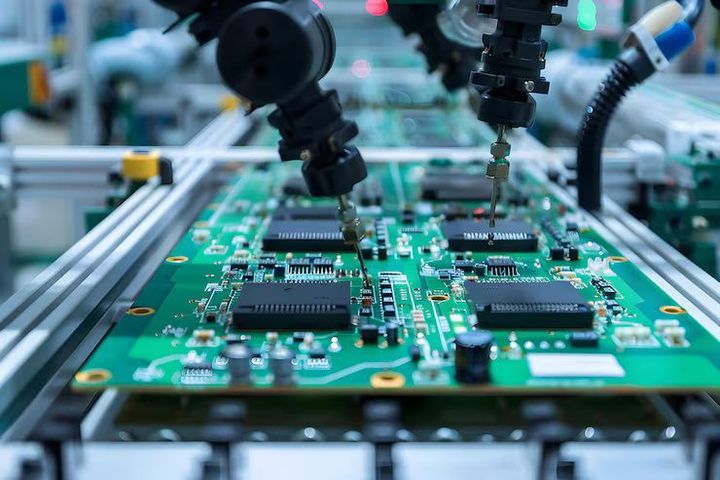
Semiconductor manufacturing equipment includes machines used to prepare silicon wafers, create circuit patterns, process materials, inspect components and assemble finished chips. Semiconductor manufacturing companies use different equipment depending on the chip design, production capacity and technology requirements.
Importance of Semiconductor Manufacturing
Semiconductors are essential components in modern electronic systems. They are used in consumer electronics, industrial automation, telecommunications, medical equipment, transportation and computing infrastructure.
Manufacturing facilities require precise processes because even small variations during production can affect the performance and reliability of electronic components. Semiconductor fabrication equipment helps control these processes through specialized operations.
The industry also depends on coordinated activities involving material suppliers, equipment manufacturers, chip designers and semiconductor production companies. Each stage contributes to the development of functional electronic components.
Major Stages of Semiconductor Manufacturing
Semiconductor production involves several interconnected stages. Each stage uses specific machines and processing techniques to create and prepare integrated circuits.
Wafer Preparation
Semiconductor wafer manufacturing generally begins with silicon, a material commonly used in chip production. Silicon is processed into cylindrical crystals, which are sliced into thin wafers and polished to create smooth surfaces.
These wafers provide the foundation on which electronic circuits are formed. Wafer preparation equipment supports cutting, grinding, polishing and cleaning operations.
Photolithography
Photolithography transfers circuit patterns onto a wafer using light-sensitive materials. The process involves applying photoresist, exposing selected areas through a patterned mask and developing the surface.
Photolithography equipment is important because it determines how circuit patterns are formed. Advanced systems require precise alignment and controlled exposure conditions.
Etching
Etching removes selected material from the wafer to create the required circuit structures. It may use chemical solutions or plasma-based processes, depending on the material and manufacturing requirements.
Etching machines help create patterns and features within semiconductor layers.
Deposition
Deposition adds thin layers of material to wafer surfaces. These layers may provide electrical, insulating or structural functions within a semiconductor device.
Common methods include chemical vapor deposition and physical vapor deposition. Deposition equipment must maintain controlled process conditions to support consistent layer formation.
Doping and Ion Implantation
Doping changes the electrical properties of semiconductor materials by introducing controlled amounts of selected elements. Ion implantation equipment directs ions into specific wafer regions.
This process helps create the electrical characteristics required for transistors and other circuit components.
Testing and Packaging
After wafer processing, individual chips undergo inspection and electrical testing. Suitable dies are separated, connected to packaging structures and protected for use in electronic products.
Semiconductor testing equipment and semiconductor packaging equipment support these final production activities.
Types of Semiconductor Manufacturing Equipment
Different machines are used throughout semiconductor production. The following table summarizes important equipment categories and their functions.
| Equipment Category | Main Function |
|---|---|
| Wafer processing equipment | Prepares and processes semiconductor wafers |
| Photolithography systems | Transfers circuit patterns onto wafer surfaces |
| Etching equipment | Removes selected material layers |
| Deposition systems | Creates thin films on wafer surfaces |
| Ion implantation equipment | Introduces dopants into semiconductor materials |
| Inspection equipment | Identifies surface defects and process variations |
| Testing equipment | Evaluates electrical performance |
| Packaging equipment | Protects and connects finished semiconductor dies |
| Assembly equipment | Supports chip placement and interconnection |
| Cleanroom equipment | Maintains controlled manufacturing environments |
Semiconductor production equipment is selected according to the processes, materials and device specifications involved in manufacturing.
Cleanroom Equipment and Manufacturing Environments
Semiconductor fabrication requires carefully controlled environments. Airborne particles, temperature changes, humidity and other environmental conditions can affect sensitive production operations.
Semiconductor cleanroom equipment includes air filtration systems, controlled ventilation, particle monitoring instruments and specialized workstations. These systems help maintain environmental conditions suitable for wafer processing.
Cleanrooms are classified according to particle concentration and applicable standards. Different production areas may require different cleanliness levels depending on their operations.
Automation and Inspection Systems
Modern semiconductor facilities use automation to manage repetitive and precision-based manufacturing activities. Semiconductor automation systems can support wafer transportation, machine coordination, production monitoring and process data collection.
Semiconductor inspection equipment examines wafers and manufactured components for defects. Optical inspection systems and other measurement technologies help identify surface irregularities, alignment issues and dimensional variations.
Automation does not eliminate the need for trained personnel. Engineers and technicians remain important for equipment operation, process monitoring, maintenance and quality evaluation.
Semiconductor Equipment Manufacturers and Suppliers
Semiconductor equipment manufacturers develop machines and systems used in wafer fabrication, testing, inspection and packaging. Their products support different stages of semiconductor production.
Semiconductor equipment suppliers may provide complete production systems, specialized instruments, replacement components and technical support. Semiconductor process equipment suppliers often focus on particular manufacturing operations, such as deposition, etching or wafer cleaning.
When evaluating suppliers, manufacturers generally consider equipment specifications, process compatibility, technical documentation, maintenance requirements and support capabilities. Semiconductor manufacturing solutions must match the facility's production processes and technical requirements.
Factors to Consider When Selecting Manufacturing Equipment
Selecting semiconductor manufacturing machinery involves technical and operational evaluation. Important considerations include:
Process compatibility: Equipment should support the materials, wafer dimensions and manufacturing processes used by the facility.
Precision requirements: Machines must meet the dimensional and process-control requirements of the intended production stage.
Production capacity: Equipment specifications should align with expected wafer volumes and manufacturing schedules.
Cleanroom compatibility: Machines should operate within the environmental conditions required by the production area.
Maintenance requirements: Inspection schedules, calibration procedures and replacement components should be considered.
Automation features: Connectivity and automated handling capabilities may support production coordination.
Safety requirements: Equipment should include appropriate safeguards, operating procedures and technical documentation.
These considerations help facilities assess equipment suitability before installation and operation.
Future Developments in Semiconductor Manufacturing
Semiconductor manufacturing continues to develop as electronic applications require different levels of processing capability, energy efficiency and integration. Research and industrial development are influencing equipment design and production methods.
Advanced lithography supports the creation of increasingly detailed circuit patterns. Improved inspection systems help manufacturers examine smaller structures and identify process variations.
Chiplet architectures and advanced packaging are also receiving attention because they allow multiple semiconductor components to be integrated within a package. Automation, equipment connectivity and data analysis are further shaping factory operations.
Frequently Asked Questions
What is semiconductor manufacturing equipment?
It refers to machines and systems used to produce semiconductor devices. Examples include wafer processing, lithography, etching, deposition, inspection and testing equipment.
What is semiconductor wafer processing equipment?
Semiconductor wafer processing equipment includes machines used to clean, coat, expose, etch, deposit and modify wafer surfaces during chip production.
What do semiconductor manufacturing companies produce?
They produce semiconductor devices such as integrated circuits, memory chips, microprocessors, sensors and other electronic components.
What is the role of semiconductor testing equipment?
Semiconductor testing equipment evaluates electrical characteristics and identifies potential defects in chips or semiconductor components before they are used in electronic products.
Why are cleanrooms important in semiconductor fabrication?
Cleanrooms help control airborne particles and environmental conditions that could interfere with sensitive wafer processing and circuit formation.
Conclusion
Semiconductor manufacturing combines specialized materials, precision machinery and carefully controlled production processes. Equipment used for wafer preparation, photolithography, etching, deposition, inspection, testing and packaging supports different stages of chip production.
Understanding these equipment categories and manufacturing operations provides a useful overview of the semiconductor industry. As electronic technologies develop, manufacturing facilities continue to evaluate new equipment, automation systems and process-control methods.