Electric Power Infrastructure Guide: Grid Systems, Transmission Networks & Energy Applications
Electric power infrastructure refers to the systems and facilities used to generate, transmit, distribute, and manage electricity across residential, commercial, and industrial environments. These systems form the foundation of modern energy networks and support daily activities such as lighting, transportation, communication, healthcare operations, and industrial manufacturing.
The development of electric power infrastructure began during the late 19th century with the expansion of centralized electricity generation and urban distribution systems. Early electrical grids supplied limited areas, but advances in engineering, transmission technology, and energy management gradually created interconnected regional and national power networks. Today, modern grid systems combine power plants, substations, transmission lines, transformers, digital monitoring systems, and renewable energy integration technologies.
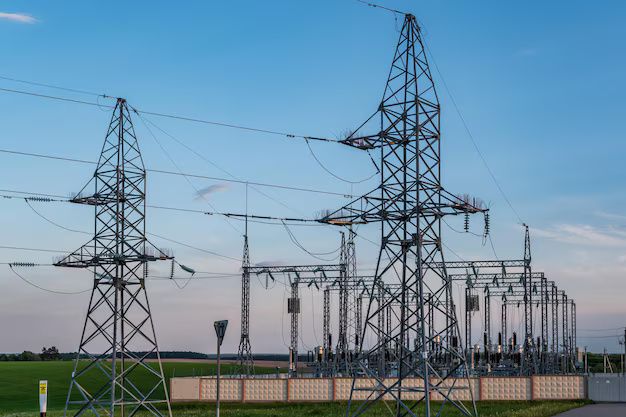
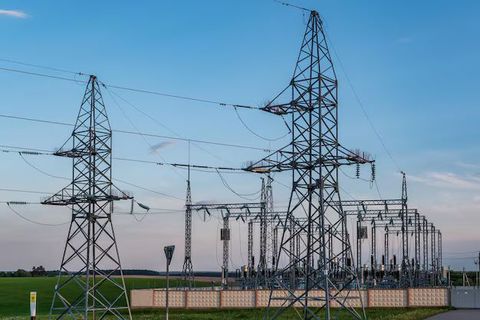
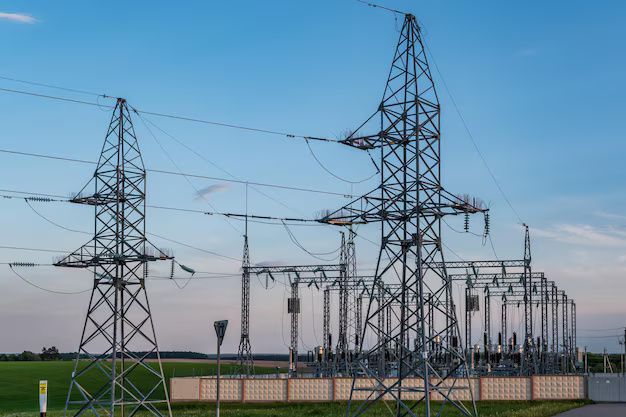
Electric power infrastructure includes several major components:
- Power generation facilities
- High-voltage transmission networks
- Distribution systems
- Electrical substations
- Grid monitoring and control centers
- Energy storage systems
These systems work together to deliver electricity from generating stations to homes, industries, transportation systems, and public infrastructure.
Importance
Electric power infrastructure is important because it supports economic activity, public services, communication systems, and industrial operations. Most modern technologies and essential facilities depend on stable electricity supply networks.
Support for Daily Activities
Electricity powers homes, schools, hospitals, offices, and transportation systems. Reliable grid systems help communities maintain lighting, heating, cooling, communication, and digital connectivity.
Important public systems supported by electric power infrastructure include:
| Sector | Infrastructure Use | Purpose |
|---|---|---|
| Healthcare | Hospital power systems | Medical equipment operation |
| Transportation | Railway and metro systems | Electric mobility |
| Communication | Data centers and telecom towers | Network connectivity |
| Manufacturing | Industrial production equipment | Factory operations |
| Residential | Household electricity supply | Daily living activities |
Electricity infrastructure is closely connected to modern urban development and public infrastructure management.
Industrial and Economic Operations
Industries depend on stable electrical supply for machinery, automation systems, and manufacturing processes. Interruptions in transmission networks can affect industrial productivity, transportation logistics, and communication systems.
Industrial facilities commonly use electricity for:
- Production machinery
- Industrial cooling systems
- Automated manufacturing equipment
- Data processing systems
- Material handling operations
Electric power systems are also important for financial institutions, retail infrastructure, and digital services.
Renewable Energy Integration
Modern transmission networks increasingly support renewable energy sources such as solar, wind, and hydroelectric generation. Grid systems help balance electricity production and consumption across different regions.
Renewable energy integration supports:
- Reduced dependence on fossil fuels
- Diversified energy production
- Regional energy balancing
- Long-term infrastructure planning
Power infrastructure modernization is becoming more important as energy demand and renewable generation capacity continue expanding.
Grid Systems
Grid systems are interconnected electrical networks that transport electricity from generating facilities to end users. These systems include generation stations, transmission lines, substations, and local distribution networks.
Power Generation Facilities
Electricity is produced at power plants using different energy sources. These facilities convert mechanical, thermal, or renewable energy into electrical power.
Common generation methods include:
- Thermal power generation
- Hydroelectric systems
- Wind energy facilities
- Solar power plants
- Nuclear energy production
Generated electricity is transferred into transmission networks for long-distance distribution.
Substations and Voltage Control
Substations are important parts of electric power infrastructure because they regulate voltage levels and direct electricity flow across the network.
Substation functions include:
- Voltage transformation
- Grid switching operations
- Fault protection
- Power flow management
These facilities help maintain stable electricity transmission between regions and local distribution systems.
Smart Grid Technology
Modern grid systems increasingly use digital monitoring technologies to improve electricity management and network reliability.
Smart grid technologies may include:
- Automated fault detection
- Remote monitoring systems
- Digital electricity meters
- Real-time energy management platforms
These systems help utility operators monitor grid conditions and respond to operational changes more efficiently.
Transmission Networks
Transmission networks move electricity over long distances using high-voltage power lines and interconnected infrastructure systems.
High-Voltage Transmission Lines
Electricity is transmitted at high voltage to reduce energy losses during long-distance transport. Transmission towers and underground cable systems connect power plants with substations and regional distribution networks.
Transmission infrastructure commonly includes:
- Overhead power lines
- Underground cable systems
- Transmission towers
- Insulated conductors
These systems form the backbone of national and regional electricity networks.
Regional Grid Connections
Many countries operate interconnected transmission systems that allow electricity exchange between regions. Interconnected networks help manage fluctuations in electricity demand and generation.
Regional grid connections support:
- Emergency power sharing
- Renewable energy balancing
- Grid reliability improvements
- Cross-border electricity transfer
Interconnected networks are increasingly important for large-scale energy management.
Grid Monitoring and Protection
Transmission systems require continuous monitoring to maintain operational safety and network stability. Control centers track electricity flow, equipment conditions, and system performance.
Monitoring systems often manage:
- Voltage levels
- Power frequency
- Transmission capacity
- Equipment temperature
- Fault conditions
Protective equipment helps isolate damaged sections of the grid during electrical disturbances.
Energy Applications
Electric power infrastructure supports multiple energy applications across residential, industrial, commercial, and transportation sectors.
Residential Energy Supply
Homes use electrical distribution systems for lighting, appliances, internet connectivity, heating, and cooling systems. Residential electricity demand often changes based on weather conditions and population density.
Industrial Energy Applications
Manufacturing facilities use large amounts of electricity for machinery, robotics, production systems, and industrial automation equipment.
Industrial applications include:
- Metal processing equipment
- Semiconductor manufacturing systems
- Water treatment operations
- Packaging and logistics systems
Industrial energy demand is an important factor in power infrastructure planning.
Transportation Systems
Electricity infrastructure also supports transportation systems such as railways, metro networks, electric vehicle charging stations, and airport operations.
Transportation-related applications continue expanding alongside electric mobility technologies.
Digital Infrastructure
Data centers, telecommunications systems, and cloud computing facilities depend on stable electricity networks for continuous operation.
Digital infrastructure applications include:
- Internet data processing
- Communication networks
- Financial transaction systems
- Remote monitoring technologies
Reliable energy infrastructure is important for modern digital economies.
Recent Updates
Between 2024 and 2026, electric power infrastructure continued evolving through grid modernization, renewable energy expansion, and digital monitoring developments.
Expansion of Renewable Energy Networks
Many countries increased investment in transmission infrastructure connected to solar and wind energy facilities. Grid systems are being upgraded to manage variable renewable electricity generation more effectively.
Growth of Energy Storage Systems
Battery storage technologies are increasingly integrated into power infrastructure to support grid balancing and emergency backup operations.
Energy storage applications include:
- Renewable energy stabilization
- Peak demand management
- Emergency power support
- Industrial backup systems
Smart Infrastructure Development
Digital technologies are becoming more common in transmission networks and substations. Utility operators increasingly use automated monitoring systems and predictive maintenance tools.
Electric Vehicle Infrastructure Expansion
The growth of electric transportation networks has increased development of charging infrastructure and local grid upgrades in urban areas.
Laws or Policies
Electric power infrastructure is influenced by energy regulations, environmental policies, and national electricity management programs.
Grid Safety Regulations
Electricity infrastructure operators must follow technical standards related to:
- Electrical safety
- Transmission reliability
- Equipment maintenance
- Emergency response systems
Regulatory agencies often monitor compliance with operational standards.
Environmental Policies
Environmental regulations influence power generation methods, transmission planning, and renewable energy development.
Policies may focus on:
- Emission reduction targets
- Renewable energy expansion
- Energy efficiency programs
- Environmental impact assessments
Infrastructure Development Programs
Governments may introduce programs supporting modernization of aging electrical networks and expansion of rural electricity access.
These initiatives may involve:
- Smart grid investments
- Transmission line upgrades
- Renewable energy integration
- Energy storage development
Tools and Resources
Several digital tools and technical systems support electric power infrastructure management and planning.
Grid Monitoring Platforms
Utility operators use monitoring systems to track transmission performance and electricity demand.
Common monitoring functions include:
- Load balancing
- Voltage monitoring
- Equipment diagnostics
- Outage detection
Energy Modeling Software
Engineering software helps analyze electricity demand, transmission capacity, and infrastructure planning scenarios.
Geographic Information Systems
Geographic information systems are used to map transmission lines, substations, and energy infrastructure networks for operational planning and maintenance management.
FAQs
What is electric power infrastructure?
Electric power infrastructure includes the systems used to generate, transmit, distribute, and manage electricity across residential, industrial, and commercial environments.
How do transmission networks move electricity?
Transmission networks move electricity through high-voltage power lines connected to substations and regional grid systems that distribute electricity over long distances.
What is the purpose of grid systems?
Grid systems connect power generation facilities, substations, and distribution networks to deliver electricity safely and efficiently to different users.
Why are smart grids important in modern energy applications?
Smart grids use digital monitoring and automated controls to improve electricity management, detect faults, and support renewable energy integration.
Which industries depend heavily on electric power infrastructure?
Industries depending heavily on electric power infrastructure include manufacturing, healthcare, transportation, telecommunications, and data center operations.
Conclusion
Electric power infrastructure is a critical part of modern society and industrial development. Grid systems and transmission networks support electricity delivery for homes, industries, transportation systems, and digital infrastructure. Advances in renewable energy integration, smart grid technology, and energy storage systems continue shaping modern electricity networks. Infrastructure regulations and energy policies also influence how power systems are planned, operated, and maintained. As electricity demand continues growing, power infrastructure remains closely connected to economic activity, public infrastructure, and technological development.