Rolls-Royce Guide: Understanding Innovation, Design, and Performance
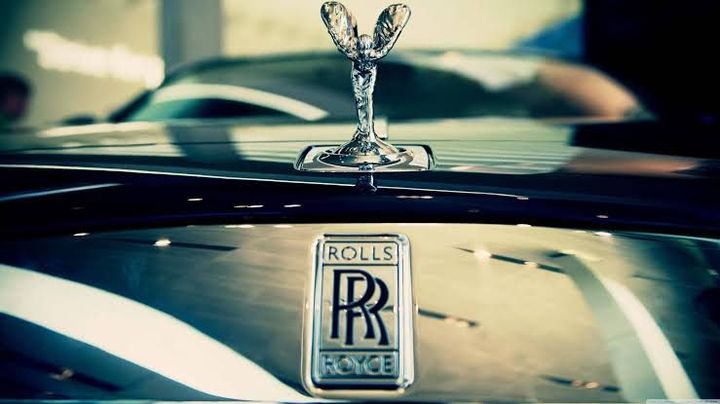
Rolls-Royce is one of the world's most recognized luxury automotive brands, known for exceptional craftsmanship, advanced engineering, and a long history of innovation. The company has become a symbol of prestige, quality, and attention to detail, producing vehicles that combine sophisticated technology with handcrafted excellence.
The purpose of Rolls-Royce automobiles extends beyond transportation. These vehicles represent engineering precision, comfort, customization, and luxury mobility. Over more than a century, Rolls-Royce has maintained a reputation for creating automobiles that emphasize refinement, performance, and durability.
The History and Evolution of Rolls-Royce
Rolls-Royce was founded in 1904 through the partnership of Charles Rolls and Henry Royce. Their shared vision was to create automobiles that delivered superior quality and reliability.
Several milestones shaped the company's development:
Key Historical Highlights
Founded in 1904 in the United Kingdom
Introduced the legendary Silver Ghost in 1906
Established a reputation for engineering excellence during the twentieth century
Expanded into global luxury markets
Continued modernization through advanced manufacturing and digital technologies
Transitioned toward sustainable mobility and electrification
Today, Rolls-Royce remains one of the most influential names in the luxury automotive sector.
How Rolls-Royce Vehicles Are Structured
Rolls-Royce automobiles are designed around a combination of engineering precision and handcrafted manufacturing. Every vehicle integrates advanced technologies with extensive customization options.
Core Components
Luxury chassis architecture
High-performance powertrain systems
Advanced suspension technologies
Premium interior materials
Digital infotainment platforms
Safety and driver assistance technologies
Bespoke personalization features
The manufacturing process combines automated engineering systems with skilled craftsmanship, ensuring consistent quality and uniqueness.
Major Rolls-Royce Vehicle Categories
Rolls-Royce offers several vehicle categories designed for different luxury mobility preferences.
| Vehicle Category | Primary Focus | Key Characteristics |
|---|---|---|
| Sedan Models | Luxury transportation | Spacious interiors, comfort, refinement |
| Coupe Models | Performance and style | Dynamic design and driving experience |
| Convertible Models | Open-air luxury | Elegant styling and premium features |
| Electric Luxury Vehicles | Sustainable mobility | Electric propulsion and advanced technology |
| Bespoke Collections | Personalization | Customized designs and exclusive features |
These categories demonstrate the brand's ability to combine tradition with innovation.
Why Rolls-Royce Is Important
Rolls-Royce plays a significant role in the global automotive industry by setting benchmarks for luxury engineering and craftsmanship.
Contributions to the Automotive Sector
Advances premium vehicle engineering
Encourages innovation in luxury mobility
Supports sustainable transportation research
Preserves traditional craftsmanship techniques
Influences automotive design standards worldwide
Its approach often shapes expectations for quality and customer experience across the luxury vehicle market.
Real-World Applications and Use Cases
Rolls-Royce vehicles are utilized in a variety of settings where comfort, reliability, and prestige are valued.
Common Use Cases
Executive transportation
Diplomatic and governmental mobility
Luxury tourism experiences
Special ceremonies and events
Collector and enthusiast ownership
Corporate representation
These applications demonstrate how luxury vehicles can address both functional and experiential transportation needs.
Challenges Addressed by Rolls-Royce
Modern transportation users increasingly seek comfort, efficiency, personalization, and advanced technology. Rolls-Royce addresses these requirements through continuous innovation.
Problems It Helps Solve
Long-distance travel fatigue
Limited vehicle personalization
Noise and vibration concerns
Comfort challenges during extended journeys
Demand for advanced safety technologies
Need for premium mobility experiences
The company focuses on enhancing passenger comfort while maintaining engineering excellence.
Key Features of Rolls-Royce Automobiles
Rolls-Royce vehicles incorporate numerous technologies and design elements that distinguish them within the luxury segment.
Notable Features
Handcrafted interiors
Advanced acoustic insulation
Precision-engineered suspension systems
Customizable design options
Digital connectivity technologies
High-quality material selection
Sophisticated safety systems
Advanced lighting technologies
These features contribute to a highly refined driving and passenger experience.
Recent Developments and Industry Trends
The luxury automotive industry has undergone significant transformation over the past year, with sustainability and digital innovation becoming major priorities.
Developments During 2025–2026
Expansion of luxury electric vehicle initiatives
Increased investment in sustainable manufacturing practices
Greater use of artificial intelligence in vehicle systems
Enhanced digital personalization technologies
Improved connected vehicle capabilities
Continued focus on reducing environmental impact
A notable trend has been the growing emphasis on electric luxury mobility. Manufacturers across the premium automotive segment are investing heavily in battery technology, software integration, and sustainable production methods.
The industry has also seen increased adoption of advanced driver assistance technologies and digital user experiences that improve convenience and safety.
Regulations and Compliance Considerations
Automotive manufacturers operate under numerous regulations intended to improve safety, environmental performance, and consumer protection.
Key Regulatory Areas
Vehicle safety standards
Emissions and environmental regulations
Data privacy requirements for connected vehicles
Manufacturing quality compliance
Battery and sustainability standards
International transportation regulations
Compliance with these frameworks helps ensure that vehicles meet legal and operational requirements across global markets.
Useful Tools, Platforms, and Learning Resources
Individuals interested in learning more about luxury automotive engineering and vehicle technology can explore various educational resources.
Helpful Resources
Automotive engineering publications
Transportation technology journals
Vehicle design research platforms
Electric mobility learning portals
Sustainability and manufacturing reports
Industry association publications
Engineering certification programs
These resources provide valuable insights into evolving automotive technologies and industry trends.
FAQ
What makes Rolls-Royce different from many other automotive brands?
Rolls-Royce is known for combining handcrafted craftsmanship, advanced engineering, extensive customization, and luxury-focused design. Its vehicles emphasize comfort, refinement, and exclusivity.
Does Rolls-Royce develop electric vehicles?
Yes. The company has expanded its focus on electric mobility, reflecting broader industry trends toward sustainable transportation and lower-emission technologies.
Why is Rolls-Royce considered an engineering leader?
The brand has a long history of innovation, precision manufacturing, and quality standards that have influenced the automotive industry for more than a century.
Are Rolls-Royce vehicles highly customizable?
Yes. Customers can personalize numerous aspects of a vehicle, including materials, colors, interior features, and design details.
How does Rolls-Royce support sustainability goals?
The company increasingly emphasizes sustainable manufacturing, electrification initiatives, responsible material sourcing, and environmental efficiency improvements.
Conclusion
Rolls-Royce represents a unique combination of luxury, engineering excellence, and automotive heritage. Over decades of innovation, the brand has established itself as a benchmark for craftsmanship, technological advancement, and premium mobility. As the automotive industry continues to evolve toward electrification, digital connectivity, and sustainability, Rolls-Royce remains an influential participant in shaping the future of luxury transportation. Through its commitment to quality, innovation, and refinement, the company continues to demonstrate how engineering and craftsmanship can work together to create exceptional mobility experiences.