Learn About Hyundai Creta 2026: Complete Overview, Basics, Explanation, Facts and Knowledge
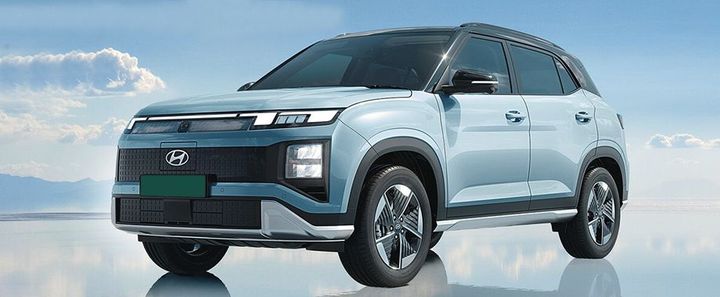
The Hyundai Creta 2026 is a compact sport utility vehicle (SUV) designed for individuals and families seeking a balance between comfort, technology, practicality, and everyday usability. Since its introduction, the Creta has become one of the most recognized vehicles in the compact SUV segment due to its combination of modern features, efficient powertrain options, and versatile design.
The purpose of the Hyundai Creta is to provide a vehicle that can handle urban commuting, highway travel, and occasional long-distance journeys while offering modern safety systems and digital connectivity features. Over the years, the model has evolved to reflect changing consumer expectations regarding fuel efficiency, vehicle safety, driver assistance technologies, and infotainment systems.
As automotive technology continues to advance, the Hyundai Creta 2026 represents a continuation of industry trends toward smarter mobility, enhanced safety standards, and improved driving experiences.
Why the Hyundai Creta 2026 Matters Today
The compact SUV category has become one of the most significant segments in the automotive industry. Vehicles in this category are designed to provide higher seating positions, flexible interior space, and practical performance without the size limitations associated with larger SUVs.
Several factors contribute to the relevance of the Hyundai Creta 2026:
• Growing demand for versatile family vehicles
• Increased focus on vehicle safety technologies
• Expansion of connected car features
• Rising interest in fuel-efficient mobility solutions
• Demand for advanced driver assistance systems
The vehicle appeals to a wide range of users, including:
| User Group | Key Interest |
|---|---|
| Families | Space, comfort, safety |
| Daily commuters | Fuel efficiency and convenience |
| Technology-focused drivers | Connected features and digital displays |
| Long-distance travelers | Ride quality and practicality |
| First-time SUV owners | Easy usability and modern features |
The Creta also addresses common transportation challenges such as passenger comfort, cargo flexibility, and access to modern safety equipment.
Recent Updates and Industry Trends
The automotive industry experienced significant technological developments throughout 2025 and early 2026. These developments influenced compact SUV design, including vehicles such as the Hyundai Creta.
Recent trends include:
• Larger digital instrument clusters
• Enhanced infotainment interfaces
• Improved Advanced Driver Assistance Systems (ADAS)
• Greater use of connected vehicle technologies
• Enhanced fuel management systems
• Increased focus on occupant safety
The 2026 model continues to reflect the industry's movement toward intelligent mobility solutions. Manufacturers across the compact SUV segment have invested heavily in software integration, navigation technologies, remote vehicle monitoring, and driver support systems.
Technology Evolution in Compact SUVs
| Technology Area | Industry Trend |
| Safety | More driver assistance features |
| Connectivity | Smartphone integration improvements |
| Displays | Larger digital screens |
| Navigation | Real-time route information |
| Comfort | Improved climate control systems |
| Security | Advanced vehicle monitoring systems |
Automotive analysts have also noted growing consumer interest in vehicles that combine convenience features with practical performance, making technology integration an increasingly important part of vehicle development.
Laws, Regulations, and Government Policies
The automotive sector is heavily influenced by regulations that focus on safety, environmental standards, and vehicle compliance requirements.
Several policy areas affect compact SUVs such as the Hyundai Creta 2026.
Vehicle Safety Regulations
Modern vehicles must comply with safety requirements established by transportation authorities. These standards often cover:
• Crash protection systems
• Seatbelt requirements
• Airbag implementation
• Structural integrity testing
• Electronic stability technologies
Emissions Standards
Governments worldwide continue introducing stricter environmental regulations designed to reduce vehicle emissions.
Key areas include:
• Carbon emission reduction
• Fuel efficiency improvements
• Cleaner engine technologies
• Environmental compliance monitoring
Connected Vehicle Guidelines
As vehicles become more digitally connected, regulations increasingly address:
• Data privacy
• Cybersecurity standards
• Connected vehicle communication
• Software update requirements
Road Safety Programs
Many transportation agencies support initiatives that encourage:
• Safer driving practices
• Adoption of advanced safety technologies
• Improved vehicle inspection systems
• Public awareness campaigns
These regulatory developments influence vehicle design and technology implementation throughout the automotive industry.
Key Features and Technical Areas
The Hyundai Creta 2026 incorporates several areas commonly associated with modern compact SUVs.
Design and Comfort
Vehicle manufacturers increasingly focus on creating interiors that support both driver comfort and passenger convenience.
Common design priorities include:
• Ergonomic seating layouts
• Enhanced cabin space utilization
• Improved visibility
• Flexible storage solutions
Safety Technologies
Modern safety systems may include:
• Multiple airbag systems
• Electronic stability controls
• Driver monitoring technologies
• Collision warning systems
• Parking assistance features
Digital Connectivity
Connected vehicle technologies continue to evolve and often support:
• Smartphone connectivity
• Navigation systems
• Voice command functionality
• Vehicle information displays
• Remote access features
Performance Considerations
Performance evaluation generally includes:
• Engine efficiency
• Driving comfort
• Ride stability
• Handling characteristics
• Fuel management technologies
Visual Representation of Feature Priorities
Technology Adoption in Modern Compact SUVs
Safety Systems ██████████ 95%
Connectivity █████████ 90%
Comfort Features ████████ 82%
Driver Assistance ████████ 80%
Digital Displays ███████ 75%
The graph illustrates general industry priorities rather than exact vehicle specifications.
Helpful Tools and Resources
Understanding modern vehicles often requires access to reliable information sources and digital tools.
Useful resources include:
• Manufacturer vehicle guides
• Automotive safety databases
• Fuel efficiency calculators
• Vehicle maintenance tracking apps
• Navigation platforms
• Tire pressure monitoring resources
• Vehicle ownership manuals
Commonly Used Automotive Tools
| Tool Type | Purpose |
| Fuel Economy Calculator | Estimates fuel consumption |
| Maintenance Tracker | Records service schedules |
| Navigation App | Route planning |
| Tire Monitoring Tool | Tire health awareness |
| Vehicle Manual | Technical information |
| Safety Rating Resources | Safety research and comparisons |
These resources help vehicle owners better understand maintenance requirements, operating characteristics, and safety considerations.
Frequently Asked Questions
What type of vehicle is the Hyundai Creta 2026?
The Hyundai Creta 2026 is a compact SUV designed to provide a balance of passenger comfort, cargo flexibility, technology integration, and everyday usability.
Why is the compact SUV segment popular?
Compact SUVs offer elevated seating positions, practical interior space, modern safety technologies, and versatility for different driving conditions while remaining manageable in urban environments.
What technologies are commonly found in modern compact SUVs?
Common technologies include digital displays, smartphone connectivity, navigation systems, advanced safety features, driver assistance technologies, and connected vehicle services.
How do vehicle regulations affect SUV development?
Regulations influence safety requirements, emissions standards, environmental compliance, cybersecurity measures, and vehicle performance testing, helping manufacturers improve safety and efficiency.
What should consumers learn about modern vehicle safety?
Consumers should understand safety ratings, airbag systems, driver assistance features, electronic stability technologies, braking systems, and recommended maintenance practices.
Are connected vehicle features becoming more common?
Yes. Connected technologies have become increasingly important in modern vehicles, supporting navigation, communication, software updates, vehicle monitoring, and enhanced convenience features.
Important Facts About the Hyundai Creta 2026
• Part of the compact SUV category
• Focuses on practicality and everyday usability
• Reflects broader automotive technology trends
• Incorporates modern connectivity concepts
• Benefits from advancements in vehicle safety systems
• Influenced by environmental and safety regulations
• Designed to meet evolving consumer expectations
Conclusion
The Hyundai Creta 2026 represents the ongoing evolution of the compact SUV segment. It combines the core objectives of modern vehicle design: practicality, safety, comfort, technology integration, and efficient mobility. As automotive regulations become stricter and consumer expectations continue to evolve, manufacturers increasingly focus on advanced safety systems, connected technologies, and enhanced user experiences.
Understanding the Hyundai Creta 2026 involves more than examining specifications alone. It also requires recognizing broader industry trends, regulatory influences, digital innovations, and changing transportation needs. By learning about these areas, readers gain a clearer understanding of how modern compact SUVs are designed and why vehicles like the Hyundai Creta remain relevant in today's automotive landscape.