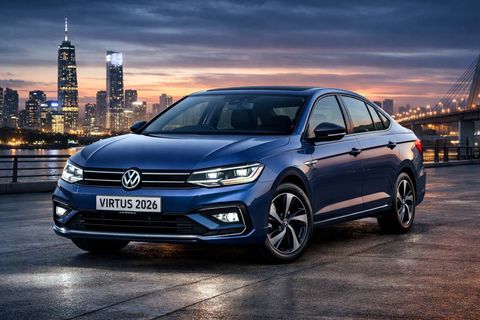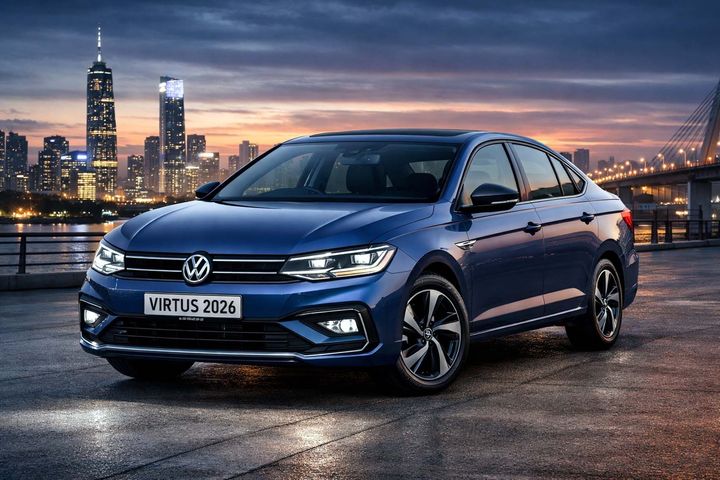
Volkswagen Virtus Facelift: Explore Features, Specifications, Guide and Key Insights
The Volkswagen Virtus has established itself as a modern sedan that combines European-inspired design, advanced technology, and practical everyday usability. Since its introduction, the Virtus has attracted attention for its spacious cabin, refined driving experience, and contemporary safety features.
A facelift version of a vehicle typically refers to a mid-cycle update introduced by manufacturers to keep a model competitive and aligned with evolving customer expectations. Rather than creating an entirely new generation, a facelift focuses on enhancing styling, technology, comfort, and safety while retaining the core platform.
The Volkswagen Virtus Facelift is expected to continue this approach by introducing updates that improve visual appeal, connectivity, and driving convenience. As consumer preferences evolve and automotive technology advances rapidly, manufacturers regularly refresh their vehicles to remain relevant in a competitive market.
Today’s sedan buyers expect more than transportation. They increasingly seek advanced infotainment systems, connected vehicle features, improved safety technologies, and greater fuel efficiency. The Virtus Facelift is anticipated to address these expectations while maintaining the strengths of the existing model.
Why the Volkswagen Virtus Facelift Matters
The sedan segment continues to play an important role in the automotive industry despite the growing popularity of SUVs. Many consumers still prefer sedans because of their comfort, highway stability, fuel efficiency, and refined driving characteristics.
The Volkswagen Virtus Facelift is significant for several reasons.
It demonstrates how manufacturers are adapting traditional sedan models to modern technology trends. At the same time, it provides consumers with updated features without requiring a completely redesigned platform.
The facelift is relevant to:
- Daily commuters
- Long-distance travelers
- Technology-focused drivers
- Families seeking practical transportation
- Automotive enthusiasts
- Fleet operators
The vehicle addresses several common priorities among modern drivers:
- Enhanced safety
- Improved connectivity
- Better cabin comfort
- Advanced digital interfaces
- Efficient powertrain technology
- Contemporary design elements
As automotive technology continues to evolve, refreshed models help bridge the gap between consumer expectations and existing vehicle platforms.
Expected Features of the Volkswagen Virtus Facelift
Although official details may vary depending on the final launch specifications, several expected enhancements have been widely discussed within the automotive industry.
Exterior Design Updates
Manufacturers often focus on visual refinements during facelift updates.
Potential exterior enhancements may include:
- Revised front grille design
- Updated LED headlamp technology
- New daytime running lights
- Redesigned front and rear bumpers
- Fresh alloy wheel designs
- Additional exterior color options
These updates help modernize the vehicle’s appearance while preserving its recognizable identity.
Interior Technology Improvements
Vehicle interiors have become a major focus area for manufacturers.
Expected cabin enhancements may include:
- Larger infotainment touchscreen
- Wireless smartphone connectivity
- Digital instrument cluster
- Enhanced voice controls
- Wireless charging capability
- Improved cabin materials
Consumers increasingly value seamless integration between smartphones and vehicle systems, making connectivity features a priority.
Comfort and Convenience Features
Modern sedan buyers often prioritize convenience technologies.
Expected features may include:
- Automatic climate control
- Rear air-conditioning vents
- Push-button start
- Keyless entry
- Adjustable seating options
- Multiple USB charging ports
These technologies contribute to a more comfortable and connected driving experience.
Safety Technology Expectations
Safety remains one of the most important areas of automotive development.
Potential safety technologies include:
- Electronic Stability Control
- Multiple airbags
- Tire pressure monitoring system
- Rear parking sensors
- Rear-view camera
- Advanced Driver Assistance Systems (ADAS)
As safety regulations continue evolving, manufacturers are placing greater emphasis on protective technologies across all vehicle segments.
Expected Specifications Overview
The following table highlights anticipated specifications for the Volkswagen Virtus Facelift.
| Category | Expected Details |
|---|---|
| Vehicle Type | Mid-Size Sedan |
| Fuel Options | Petrol Variants |
| Transmission | Manual and Automatic |
| Seating Capacity | Five Occupants |
| Infotainment | Large Touchscreen Display |
| Connectivity | Wireless Smartphone Integration |
| Safety Features | Multiple Driver Assistance Technologies |
| Instrumentation | Digital Display Cluster |
Official specifications may vary depending on variant and market requirements.
Recent Updates and Automotive Trends
The automotive sector experienced several important developments throughout 2025 and 2026 that influence vehicles such as the Virtus Facelift.
Growing Adoption of Digital Cockpits
Manufacturers increasingly introduced digital instrument clusters and advanced infotainment systems during 2025.
Benefits include:
- Better information visibility
- Enhanced customization
- Improved navigation support
- Greater connectivity
Digital interfaces are becoming a standard feature across many vehicle categories.
Expansion of Connected Car Technology
Connected vehicle ecosystems continue expanding rapidly.
Key developments include:
- Smartphone integration
- Remote vehicle monitoring
- Software updates
- Vehicle diagnostics
- Navigation enhancements
Consumers increasingly expect their vehicles to function as connected digital platforms.
Focus on Safety Enhancements
Automotive manufacturers continue investing heavily in safety innovations.
Recent trends include:
- Driver assistance technologies
- Collision prevention systems
- Improved structural safety
- Enhanced braking technologies
These developments support broader industry goals related to accident prevention and occupant protection.
Improved Fuel Efficiency Technologies
Automakers continue refining engine technologies to improve efficiency while complying with environmental regulations.
Recent advancements include:
- Engine optimization
- Lightweight materials
- Aerodynamic improvements
- Intelligent energy management systems
The chart below illustrates major trends influencing modern sedan development.
| Industry Trend | Activity Level |
|---|---|
| Connected Vehicle Technology | High |
| Digital Instrument Clusters | High |
| Advanced Safety Systems | High |
| Fuel Efficiency Improvements | Growing |
| Vehicle Software Integration | Growing |
| Driver Assistance Features | Growing |
These developments help shape future updates to vehicles across the global automotive market.
Regulations and Policy Considerations
Automotive manufacturers must comply with multiple regulations before introducing updated vehicles into the market.
Vehicle Safety Standards
Government agencies establish requirements related to:
- Crash safety
- Occupant protection
- Braking performance
- Lighting systems
- Structural durability
Compliance with these standards is essential for vehicle certification.
Emission Regulations
Environmental regulations continue influencing vehicle design and engineering.
Areas of focus include:
- Fuel efficiency targets
- Emission reduction requirements
- Engine performance standards
- Carbon reduction objectives
Manufacturers invest heavily in technology improvements to meet these requirements.
Connected Vehicle and Data Protection Policies
As connected vehicle technologies become more common, data privacy and cybersecurity are receiving increased attention.
Manufacturers are investing in:
- Secure vehicle software
- Data protection systems
- Cybersecurity protocols
- Connected platform security
These measures help protect vehicle information and digital infrastructure.
Automotive Manufacturing Initiatives
Many countries continue supporting automotive innovation through programs focused on:
- Advanced manufacturing
- Sustainable transportation
- Research and development
- Technology integration
These initiatives encourage manufacturers to continue investing in modern vehicle technologies.
Helpful Tools and Resources
Consumers researching sedan vehicles can benefit from several useful resources.
Vehicle Comparison Platforms
These tools help evaluate:
- Vehicle dimensions
- Features
- Safety technologies
- Performance specifications
Vehicle Financing Calculators
Useful for understanding:
- Payment estimates
- Loan structures
- Interest calculations
- Budget planning
Automotive Insurance Resources
Helpful for exploring:
- Coverage categories
- Vehicle protection options
- Risk evaluation
- Policy comparisons
Fuel Efficiency Calculators
These resources support:
- Consumption tracking
- Distance planning
- Operating expense estimates
Automotive Research Publications
Useful sources include:
- Vehicle testing organizations
- Industry reports
- Market analysis studies
- Automotive technology publications
Benefits of Modern Sedan Technology
Modern sedans continue evolving through technological innovation.
| Technology Area | Potential Benefit |
|---|---|
| Digital Displays | Improved visibility |
| Smartphone Connectivity | Better convenience |
| Safety Systems | Enhanced protection |
| Driver Assistance Features | Increased awareness |
| Fuel Efficiency Technology | Optimized performance |
| Navigation Systems | Improved route planning |
These advancements help maintain the relevance of sedans in an increasingly competitive automotive market.
Frequently Asked Questions
What is a vehicle facelift?
A facelift is a mid-cycle update that typically includes changes to styling, technology, comfort features, and safety systems without completely redesigning the vehicle platform.
What changes are expected in the Volkswagen Virtus Facelift?
Industry expectations suggest updates to exterior styling, infotainment systems, digital displays, connectivity features, and safety technologies.
Will the Volkswagen Virtus Facelift include advanced safety features?
Modern automotive trends indicate that manufacturers are increasingly integrating advanced driver-assistance and safety technologies into updated vehicle models.
Is connected car technology important in modern sedans?
Yes. Connected technologies support navigation, smartphone integration, vehicle diagnostics, software updates, and overall convenience.
Why do manufacturers introduce facelift models?
Facelift updates help manufacturers keep vehicles competitive, incorporate new technologies, improve customer experience, and comply with evolving regulations.
Conclusion
The Volkswagen Virtus Facelift represents an important step in the continued evolution of modern sedan design and technology. By introducing updated styling, enhanced connectivity, improved safety systems, and refined comfort features, the facelift aims to keep the model aligned with changing consumer expectations.
As automotive technology continues advancing, vehicles are becoming increasingly connected, intelligent, and safety-focused. The Virtus Facelift reflects these broader industry trends while maintaining the practicality, efficiency, and driving characteristics that have made sedans a popular choice for many consumers.
Whether viewed from the perspective of automotive innovation, connected mobility, safety advancement, or everyday transportation, the Volkswagen Virtus Facelift highlights how manufacturers continue adapting established vehicle models to meet the demands of a rapidly evolving automotive landscape.