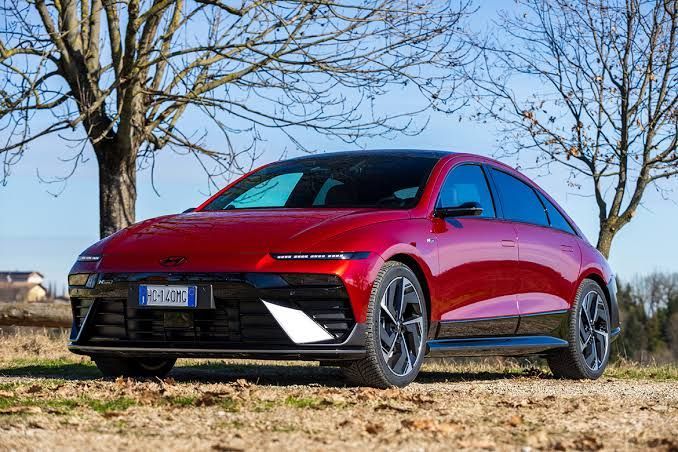
Hyundai Ioniq 6: Explore Features, Specifications, Guide, Insights and Key Details
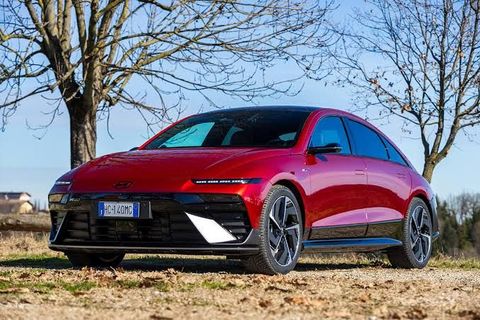
The Hyundai Ioniq 6 is an all-electric sedan developed as part of Hyundai’s Ioniq electric vehicle lineup. Designed around advanced battery-electric vehicle (BEV) technology, the Ioniq 6 combines aerodynamic styling, digital connectivity, energy-efficient engineering, and modern safety features.
The growing demand for electric vehicles has encouraged manufacturers to develop models that address environmental concerns, energy efficiency goals, and evolving transportation needs. The Ioniq 6 was created to provide an alternative to traditional internal combustion engine vehicles while incorporating advanced technologies that improve driving convenience and efficiency.
Unlike conventional vehicles, electric vehicles rely on battery systems and electric motors instead of gasoline or diesel engines. As charging infrastructure expands and battery technology improves, EV adoption continues to increase across many regions.
The Hyundai Ioniq 6 represents a broader shift toward electrified transportation and showcases how modern automotive engineering is adapting to changing consumer expectations and environmental priorities.
Why the Hyundai Ioniq 6 Matters
Electric vehicles are becoming increasingly important within the global transportation industry. Governments, manufacturers, and consumers are paying greater attention to vehicle emissions, energy efficiency, and sustainable mobility solutions.
The Hyundai Ioniq 6 is significant because it reflects several major developments in the automotive sector:
Expansion of electric mobility
Advancements in battery technology
Growth of charging infrastructure
Increased vehicle connectivity
Improved energy efficiency
Enhanced digital driving experiences
The vehicle is relevant to a variety of groups.
| User Category | Potential Interest |
|---|---|
| Daily Commuters | Energy-efficient transportation |
| Technology Enthusiasts | Advanced digital features |
| Families | Safety and comfort |
| Urban Drivers | Modern mobility solutions |
| Fleet Operators | Electrification opportunities |
| Environmental Advocates | Reduced emissions |
Electric vehicles also help address challenges related to fuel consumption, urban air quality, and long-term transportation sustainability.
Key Features of the Hyundai Ioniq 6
The Hyundai Ioniq 6 incorporates several technologies designed to improve efficiency, comfort, and usability.
Aerodynamic Design
One of the vehicle’s most notable characteristics is its streamlined design.
Benefits of aerodynamic engineering include:
Improved energy efficiency
Reduced air resistance
Enhanced driving stability
Better overall vehicle performance
The vehicle's design reflects the increasing importance of efficiency-focused engineering in modern EV development.
Advanced Battery Technology
Battery systems are among the most important components of electric vehicles.
Key battery-related features may include:
High-capacity battery packs
Fast charging capability
Battery management systems
Energy optimization technologies
Thermal management systems
These technologies help improve driving range and charging performance.
Connected Vehicle Technology
Modern EVs increasingly function as connected digital platforms.
Common connectivity features include:
Smartphone integration
Remote vehicle monitoring
Navigation systems
Software updates
Charging management tools
Connected technologies help users manage vehicle operations more effectively.
Interior Technology
The Hyundai Ioniq 6 includes a technology-focused cabin environment.
Expected features may include:
Large digital displays
Digital instrument cluster
Voice recognition systems
Wireless connectivity
Advanced infotainment functions
These features contribute to a more connected and user-friendly driving experience.
Expected Specifications Overview
The table below summarizes key specification areas commonly associated with the Hyundai Ioniq 6.
| Specification Category | Details |
|---|---|
| Vehicle Type | Battery Electric Sedan |
| Powertrain | Electric Motor |
| Energy Source | Rechargeable Battery |
| Charging Capability | Fast Charging Support |
| Connectivity | Smartphone Integration |
| Safety Features | Advanced Driver Assistance Systems |
| Seating Capacity | Up to Five Occupants |
| Digital Features | Connected Vehicle Technologies |
Specifications may vary depending on market availability and vehicle configuration.
Why Electric Vehicle Technology Is Growing
Electric vehicle adoption continues expanding due to advancements in technology and changing transportation priorities.
Several factors contribute to this growth:
Improved battery efficiency
Expanding charging infrastructure
Greater consumer awareness
Lower vehicle emissions
Enhanced software capabilities
Government electrification initiatives
Manufacturers continue investing heavily in EV development to support long-term mobility objectives.
Recent Updates and Industry Trends
The electric vehicle sector experienced significant developments throughout 2025 and 2026.
Expansion of Charging Networks
One of the most important developments has been the continued growth of public charging infrastructure.
Recent efforts have focused on:
Fast charging stations
Highway charging corridors
Urban charging networks
Smart charging systems
Improved charging access supports broader EV adoption.
Advances in Battery Technology
Battery innovation remains a major area of research.
Key developments include:
Increased energy density
Improved charging speeds
Enhanced battery longevity
Advanced thermal management
These advancements help improve vehicle efficiency and usability.
Software-Defined Vehicles
Automotive manufacturers are increasingly developing software-focused vehicles.
Key trends include:
Over-the-air updates
Cloud connectivity
Vehicle data analytics
Digital feature integration
Software capabilities are becoming a major differentiator within the EV market.
Sustainability Initiatives
Environmental objectives continue influencing vehicle development.
Manufacturers are investing in:
Renewable energy integration
Sustainable manufacturing practices
Battery recycling initiatives
Emissions reduction strategies
The table below highlights key trends shaping the EV market.
| Industry Trend | Activity Level |
|---|---|
| Charging Infrastructure Expansion | High |
| Battery Innovation | High |
| Connected Vehicle Technology | High |
| Software-Defined Vehicles | Growing |
| Energy Management Systems | Growing |
| Sustainability Programs | Growing |
These developments continue influencing electric vehicle adoption and product development strategies.
Regulations and Policy Considerations
Electric vehicles operate within an evolving regulatory environment.
Vehicle Safety Standards
Electric vehicles must comply with safety regulations covering:
Crash protection
Battery safety
Electrical system integrity
Occupant protection
Emergency response requirements
Manufacturers conduct extensive testing to ensure compliance.
Emissions and Environmental Policies
Governments continue introducing policies designed to reduce transportation-related emissions.
These policies may encourage:
Electric vehicle adoption
Cleaner transportation technologies
Reduced carbon emissions
Sustainable mobility solutions
Charging Infrastructure Programs
Many regions support the development of charging networks through infrastructure initiatives and transportation planning programs.
Areas of focus include:
Public charging accessibility
Grid integration
Renewable energy compatibility
Network reliability
Data Privacy and Cybersecurity
Connected EVs generate significant amounts of data.
Manufacturers increasingly focus on:
Cybersecurity protection
Software security
User privacy safeguards
Secure vehicle communication systems
These measures help protect both vehicle systems and digital information.
Helpful Tools and Resources
Individuals researching electric vehicles can benefit from a variety of practical tools and resources.
EV Charging Station Locators
These platforms help users identify:
Public charging stations
Fast charging locations
Route-compatible charging points
Charging network coverage
EV Financing Calculators
Useful for estimating:
Vehicle financing scenarios
Payment planning
Ownership budgeting
Loan comparisons
Electric Vehicle Insurance Resources
Helpful for understanding:
Coverage considerations
Vehicle protection plans
Risk assessment factors
EV-specific insurance information
Battery Performance Monitoring Tools
These resources provide insights into:
Battery health
Energy consumption
Charging efficiency
Range estimation
Connected Vehicle Applications
Common features include:
Remote monitoring
Charging management
Navigation support
Vehicle analytics
Benefits of Modern Electric Vehicle Technology
Electric vehicles offer several technology-driven advantages.
| Technology Area | Potential Benefit |
|---|---|
| Battery Systems | Energy efficiency |
| Fast Charging | Reduced charging time |
| Connected Features | Improved convenience |
| Driver Assistance Systems | Enhanced awareness |
| Software Updates | Continuous improvements |
| Energy Management Tools | Better efficiency monitoring |
These technologies continue driving interest in electric mobility.
Frequently Asked Questions
What is the Hyundai Ioniq 6?
The Hyundai Ioniq 6 is an all-electric sedan developed using battery-electric vehicle technology and designed to provide efficient, connected, and modern transportation.
How does the Hyundai Ioniq 6 differ from traditional vehicles?
Unlike conventional vehicles that use internal combustion engines, the Ioniq 6 relies on an electric motor and rechargeable battery system for propulsion.
Why is aerodynamic design important for electric vehicles?
Aerodynamic efficiency reduces air resistance, helping improve energy consumption and driving range.
What is fast charging technology?
Fast charging technology enables electric vehicle batteries to recharge more quickly than standard charging methods, improving convenience during longer journeys.
Why is charging infrastructure important?
Charging infrastructure provides the network of stations needed to support electric vehicle operation and broader adoption of EV technology.
Conclusion
The Hyundai Ioniq 6 represents an important example of how electric vehicle technology continues evolving within the modern automotive industry. By combining advanced battery systems, connected vehicle features, aerodynamic engineering, and digital technologies, the vehicle reflects many of the trends shaping future transportation.
As charging infrastructure expands, battery technology improves, and sustainability initiatives gain momentum, electric vehicles are becoming an increasingly important part of global mobility strategies. The Ioniq 6 demonstrates how manufacturers are integrating efficiency, technology, and user-focused design into next-generation transportation solutions.
Whether viewed from the perspective of electric mobility, automotive innovation, charging technology, or sustainable transportation, the Hyundai Ioniq 6 remains a noteworthy example of the continuing transformation occurring across the automotive sector.