Renewable Power Equipment: Essential Guide and Insights
Understand renewable power equipment, its importance, recent developments, policy frameworks, useful resources, and common questions in simple language.
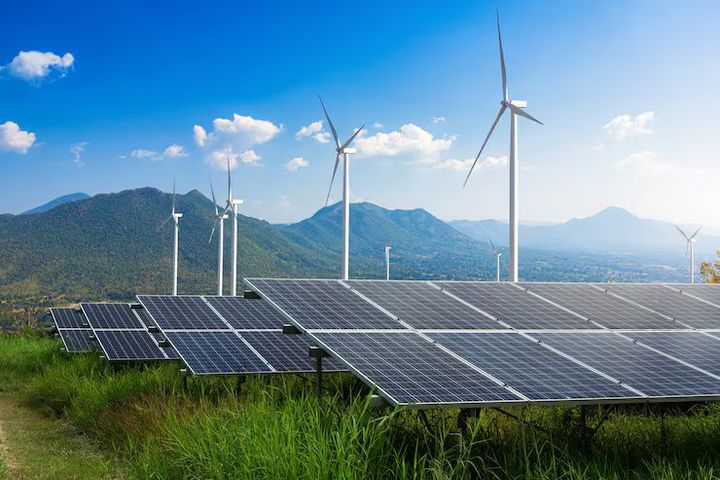
Renewable power equipment includes the physical technologies used to capture, convert, store, and manage energy from naturally replenished sources. Common examples include solar panels, wind turbines, inverters, battery energy storage systems, charge controllers, transformers, monitoring devices, and smart grid components.
This equipment exists because electricity demand continues to grow while many regions are working to reduce dependence on finite fossil fuels. Renewable power systems can use sunlight, wind, water, geothermal heat, and other naturally renewing resources.
A modern renewable energy system often combines generation equipment with power electronics and digital monitoring. For example, solar power equipment may work alongside inverters and energy storage systems to manage electricity production more effectively.
Common Types of Renewable Power Equipment
| Equipment Category | Main Function |
|---|---|
| Solar modules | Convert sunlight into electricity |
| Wind turbines | Convert wind movement into electrical power |
| Power inverters | Convert and manage electrical current |
| Battery storage systems | Store electricity for later use |
| Charge controllers | Regulate battery charging |
| Smart meters | Monitor electricity generation and usage |
| Grid equipment | Support safe power transmission and distribution |
Importance
Renewable power equipment matters because energy systems must balance growing electricity needs, reliability, environmental concerns, and long-term resource availability.
Homes, commercial buildings, manufacturing facilities, utilities, and public infrastructure can all be affected by changes in energy technology. Renewable energy systems may also support more distributed power generation, meaning electricity can be produced closer to where it is used.
Problems Renewable Equipment Can Help Address
- Dependence on limited energy resources
- Rising electricity demand in growing economies
- Need for cleaner power generation technologies
- Grid management challenges
- Greater interest in energy storage systems
- Integration of distributed renewable energy sources
Energy storage equipment is becoming particularly important. Solar and wind generation can vary with weather conditions, while batteries and other storage technologies can help balance electricity availability across different periods.
Recent Updates
During the past year, renewable power equipment development has continued to focus on higher efficiency, digital monitoring, energy storage, and stronger grid integration.
In 2025 and early 2026, major industry trends included continued growth in utility-scale battery energy storage, improved solar module designs, advanced power electronics, and wider use of artificial intelligence for energy forecasting and equipment monitoring.
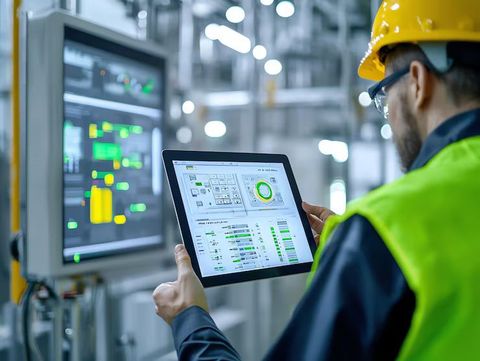
Smart energy management has also become more important. Digital sensors can collect information about power generation, voltage, battery performance, and equipment conditions. This data can help operators understand system performance and identify maintenance needs earlier.
Another important trend is the growing connection between renewable generation, energy storage, electric vehicle charging infrastructure, and smart grids. These technologies increasingly operate as connected energy systems rather than as completely separate equipment categories.
Laws or Policies
Renewable power equipment is affected by national and local rules related to electricity safety, grid connection, technical standards, environmental requirements, and equipment certification.
In India, renewable energy development is influenced by national renewable energy targets, electricity regulations, grid integration frameworks, technical standards, and government programs supporting clean energy infrastructure. State-level electricity rules can also affect how renewable systems connect with local distribution networks.
Equipment may need to follow applicable quality, electrical safety, testing, and grid interoperability requirements. Regulations can change as renewable energy capacity grows, so users should review current official requirements before planning a system.
Key Policy Areas
- Electrical safety and technical standards
- Grid connection requirements
- Renewable energy targets
- Equipment quality and certification rules
- Energy storage and battery safety frameworks
- Environmental and land-use requirements
Tools and Resources
Several general tools can help people understand renewable power equipment and system performance.
Helpful Resources
- Solar energy calculators: Estimate potential electricity generation based on location and system capacity.
- Wind resource maps: Provide general information about wind conditions in different regions.
- Energy consumption calculators: Help estimate electricity demand and usage patterns.
- Battery sizing templates: Compare storage capacity with expected energy requirements.
- System monitoring dashboards: Track generation, storage levels, and electricity usage.
- Government energy portals: Provide information about current renewable energy programs, standards, and policy updates.
- Technical learning resources: Explain equipment components, electrical concepts, and renewable energy basics.
These tools should be used as educational aids. Actual system performance can depend on weather, equipment specifications, installation conditions, grid requirements, and local regulations.
FAQs
What is renewable power equipment?
Renewable power equipment refers to technologies that generate, store, convert, or manage energy from renewable sources such as sunlight, wind, water, and geothermal heat.
What equipment is needed for a solar power system?
A typical system can include solar modules, mounting structures, inverters, electrical protection equipment, monitoring devices, and sometimes battery energy storage.
Why are inverters important?
Inverters manage the conversion of electricity generated by renewable sources so that it can be used by compatible electrical systems and, where permitted, connected with the grid.
What is the role of energy storage systems?
Energy storage systems hold electricity for use at another time. They can support power balancing, renewable energy integration, and system flexibility.
Can renewable power equipment connect with smart grids?
Yes. Modern equipment can include digital communication and monitoring technologies that help exchange operational data and support more efficient grid management.
Conclusion
Renewable power equipment is an important part of the changing global energy landscape. Solar power equipment, wind energy technology, battery storage systems, power electronics, and smart grid tools are increasingly working together to create more flexible energy systems.
Understanding the purpose of each component can help general users follow developments in clean energy technology. As equipment standards, storage technology, digital monitoring, and government policies continue to evolve, renewable power systems are likely to become more integrated and technically advanced.
Disclaimer
This article is for general educational and informational purposes only. Renewable energy regulations, technical standards, equipment requirements, and government programs may change over time and vary by location. Always review current official requirements and qualified technical guidance for specific renewable power projects.