Recycling Plant Technology: Guide to Automated Recycling Operations
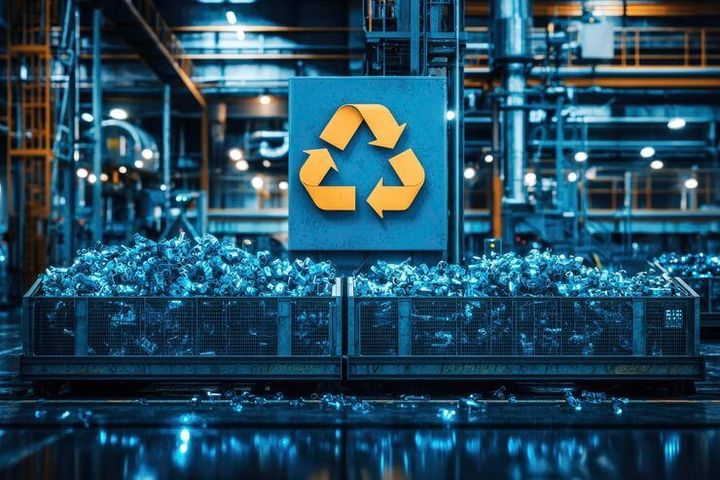
Recycling plant technology refers to the equipment, systems, and processes used to collect, sort, process, and recover valuable materials from waste streams. These facilities play an important role in reducing landfill waste, conserving natural resources, and supporting environmental sustainability. Modern recycling plants use advanced machinery, automation, and digital monitoring systems to improve material recovery rates and operational efficiency.
As global waste generation continues to increase, recycling plant technology has become a critical component of sustainable waste management strategies. Industries, municipalities, and environmental organizations rely on these systems to transform discarded materials into reusable resources.
Understanding How Recycling Plant Technology Works
A recycling plant is designed to receive mixed waste materials and separate them into recoverable categories such as plastics, metals, paper, glass, and organic matter. The process typically involves several stages that work together to maximize resource recovery.
Key Processing Stages
Waste collection and transportation
Material reception and inspection
Initial sorting and separation
Mechanical processing
Material cleaning and purification
Quality control verification
Storage and distribution of recovered materials
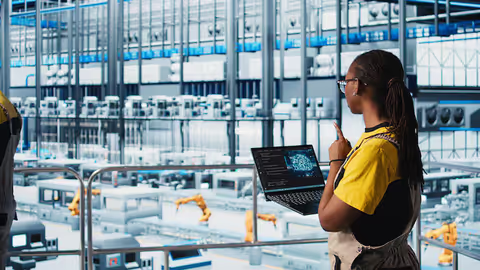
Modern facilities often integrate automated recycling systems that use sensors, artificial intelligence, and robotic technologies to identify and sort materials with high accuracy.
Main Components of a Recycling Plant
Different recycling facilities may use specialized equipment depending on the materials being processed. However, most plants share several common components.
Essential Equipment
Conveyor belt systems
Shredders and crushers
Magnetic separators
Eddy current separators
Optical sorting machines
Air classification systems
Balers and compactors
Washing and drying units
Robotic sorting stations
Monitoring and control software
These components work together to improve efficiency and reduce contamination in recovered materials.
Types of Recycling Plant Technologies
Various technologies are used depending on the waste stream and recycling objectives.
| Technology Type | Primary Function | Common Applications |
|---|---|---|
| Mechanical Recycling | Physical processing of materials | Plastics, paper, metals |
| Material Recovery Facilities (MRFs) | Sorting mixed waste streams | Municipal waste management |
| Chemical Recycling | Breaking materials into raw compounds | Complex plastics |
| E-Waste Recycling Systems | Recovering valuable electronic materials | Electronics and appliances |
| Organic Waste Processing | Converting organic waste into useful products | Food and agricultural waste |
| Construction Waste Recycling | Recovering building materials | Demolition and construction projects |
Each technology contributes to improving resource efficiency and reducing environmental impact.
Importance of Recycling Plant Technology
Recycling technology provides significant environmental, economic, and operational benefits. Effective waste processing helps reduce pressure on natural resources while supporting sustainable industrial practices.
Major Benefits
Reduced landfill dependency
Conservation of raw materials
Lower environmental pollution
Reduced greenhouse gas emissions
Improved resource recovery rates
Support for circular economy initiatives
Better waste management infrastructure
Enhanced operational efficiency
These benefits make recycling facilities essential for modern environmental management strategies.
Real-World Applications
Recycling plant technology is used across many industries and sectors.
Common Use Cases
Municipal solid waste processing
Plastic recycling facilities
Metal recovery operations
Electronic waste management
Packaging material recovery
Construction debris processing
Industrial waste treatment
Agricultural waste recycling
Organizations use these systems to manage large volumes of waste while recovering reusable materials for future production.
Problems Solved by Modern Recycling Plants
Traditional waste disposal methods often result in environmental challenges and resource loss. Advanced recycling technology addresses many of these issues.
Key Challenges Addressed
Increasing landfill capacity concerns
Material contamination
Resource depletion
Inefficient manual sorting
Rising waste generation volumes
Environmental pollution risks
High disposal requirements
Poor material recovery efficiency
Through automation and advanced processing, recycling plants improve recovery rates while minimizing waste.
Automation and Smart Recycling Systems
Automation has become a major focus within recycling facilities. Smart waste management systems help operators process larger volumes with greater accuracy.
Advanced Technologies
Artificial intelligence sorting systems
Machine vision inspection tools
Robotic material pickers
Internet of Things (IoT) monitoring
Predictive maintenance platforms
Real-time performance analytics
Digital twin technology
Cloud-based operational dashboards
These technologies support improved decision-making and operational reliability.
Recent Trends and Developments (2025–2026)
The recycling industry has experienced rapid technological advancement over the past year. Several developments continue to influence facility design and operational strategies.
Emerging Industry Trends
Increased adoption of AI-powered sorting systems during 2025
Expansion of chemical recycling facilities for difficult plastic waste
Greater use of robotics in material recovery operations
Growth of digital monitoring and smart waste management platforms
Enhanced sensor technologies for contamination detection
Integration of machine learning for process optimization
Development of high-efficiency optical sorting equipment
Increased focus on circular economy infrastructure throughout 2025 and 2026
Many facilities are also investing in energy-efficient processing equipment to reduce operational environmental impacts.
Regulations and Policy Considerations
Recycling plants operate within environmental and waste management regulations established by national and regional authorities.
Common Regulatory Areas
Waste handling standards
Environmental protection requirements
Air emission controls
Water discharge regulations
Worker safety guidelines
Hazardous material management
Electronic waste processing standards
Recycling reporting and compliance requirements
Many countries continue strengthening recycling targets to encourage resource recovery and sustainable waste management practices.
Useful Tools and Learning Resources
Professionals and students interested in recycling plant technology can access numerous educational and technical resources.
Recommended Resources
Waste management industry publications
Environmental engineering textbooks
Circular economy research reports
Sustainability training programs
Industrial automation learning platforms
Material recovery facility case studies
Environmental regulatory guidance documents
Technical conferences and webinars
These resources provide valuable insights into current technologies and industry developments.
Future Outlook
The future of recycling plant technology is expected to focus on greater automation, improved material recovery, and enhanced sustainability. As artificial intelligence, robotics, and data analytics continue to evolve, recycling facilities will become increasingly efficient and capable of processing more complex waste streams.
Future innovations may include fully autonomous sorting systems, advanced chemical recycling processes, and expanded integration of renewable energy technologies within recycling operations.
Expected Developments
Higher automation levels
Improved robotic accuracy
Advanced material identification systems
Greater recycling efficiency
Enhanced digital monitoring
Expanded circular economy initiatives
More sustainable processing technologies
These developments will help support global environmental goals and resource conservation efforts.
Frequently Asked Questions
What is recycling plant technology?
Recycling plant technology includes the machinery, software, and processes used to sort, process, and recover valuable materials from waste streams for reuse.
How do automated recycling systems improve efficiency?
Automated systems use sensors, artificial intelligence, and robotics to identify and separate materials more accurately than traditional manual methods, improving recovery rates and reducing contamination.
What materials can recycling plants process?
Many facilities process plastics, metals, paper, cardboard, glass, electronic waste, construction debris, and organic materials.
What is a material recovery facility?
A material recovery facility is a specialized recycling plant that sorts mixed waste streams into reusable materials through mechanical and automated processes.
Why is recycling technology important for sustainability?
Recycling technology reduces landfill waste, conserves natural resources, lowers pollution levels, and supports circular economy objectives by keeping materials in productive use.
Conclusion
Recycling plant technology has become a vital part of modern waste management and resource recovery systems. Through advanced equipment, automation, artificial intelligence, and smart monitoring technologies, recycling facilities can process waste more efficiently and recover valuable materials that would otherwise be discarded. As environmental concerns and resource demands continue to grow, innovations in recycling technology will play an increasingly important role in supporting sustainability, reducing waste, and strengthening circular economy initiatives worldwide.