Procter & Gamble: A Comprehensive Guide to Global Consumer Goods Innovation and Brand Leadership
Procter & Gamble is one of the most recognized names in the global consumer goods industry. The company is known for developing and managing a diverse portfolio of household, personal care, hygiene, and wellness brands that serve consumers worldwide. Through continuous innovation and brand development, it has become an influential participant in modern consumer markets.
The consumer goods sector has experienced significant transformation over the past decade. Digital technologies, changing consumer expectations, sustainability initiatives, and advanced manufacturing systems have reshaped how products are designed, produced, distributed, and improved. Companies operating in this space must continuously adapt to remain relevant.
Procter & Gamble has frequently been referenced in discussions about product innovation, supply chain management, brand leadership, and consumer research. Its approach to product development demonstrates how large organizations use data analytics, automation, and market insights to enhance everyday consumer experiences.
As global markets continue to evolve, understanding how Procter & Gamble operates provides valuable lessons for businesses, industry professionals, students, and consumers interested in innovation and brand management. The following sections explore its influence, industry trends, operational practices, and future direction.
Who it affects and what problems it solves
Procter & Gamble affects a wide range of stakeholders across the global consumer goods ecosystem. Consumers interact with products designed to support daily routines, while manufacturers, distributors, retailers, marketers, and supply chain professionals engage with the company's operational systems and business practices.
For businesses and industry professionals, Procter & Gamble serves as a useful example of how large organizations manage extensive product portfolios while maintaining quality standards and consistent brand recognition. Marketing teams often study its branding strategies, while operations professionals examine its manufacturing and logistics processes.
One of the primary challenges addressed by companies like Procter & Gamble is the need for reliable and accessible consumer products. Product consistency, quality assurance, safety standards, and efficient distribution are critical concerns within the consumer goods industry. Organizations must also respond to changing consumer preferences while maintaining operational efficiency.
The company's innovation efforts help address issues related to product usability, packaging improvements, resource efficiency, and sustainability goals. Advanced research and development programs contribute to continuous product refinement and enhanced customer experiences.
A common mistake many organizations make is focusing solely on product features without understanding consumer behavior. Another frequent challenge involves failing to integrate research, manufacturing, and distribution strategies effectively. Procter & Gamble's long-term emphasis on consumer insights illustrates the importance of balancing innovation with practical market needs.
Recent updates and industry trends
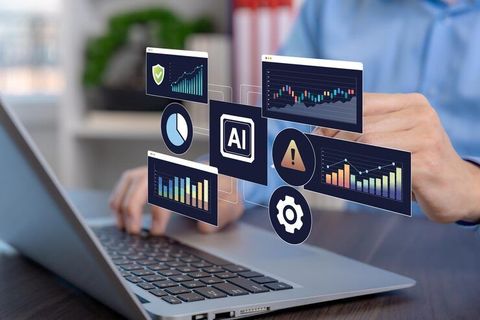
Over the past year, consumer goods manufacturers have increasingly adopted artificial intelligence, automation systems, predictive analytics, and advanced supply chain technologies. These developments are helping organizations improve forecasting accuracy, production efficiency, and customer engagement.
Recent industry research suggests that sustainability continues to be a major priority throughout the consumer goods sector. Many organizations globally are investing in environmentally conscious packaging, resource optimization, waste reduction programs, and energy-efficient manufacturing processes.
Digital transformation has also accelerated across the industry. Cloud computing platforms, enterprise software solutions, and data management systems are enabling organizations to improve operational visibility and decision-making. Advanced analytics tools are helping businesses identify consumer trends more effectively.
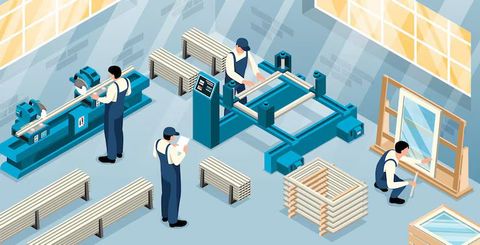
Automation technologies have expanded throughout manufacturing and logistics operations. Smart production systems, robotics, and predictive maintenance tools contribute to improved reliability and operational performance. These developments support greater scalability while reducing process inefficiencies.
Many organizations globally are also focusing on transparency and product traceability. Consumers increasingly seek information about sourcing practices, environmental impact, and product quality standards. As a result, digital tracking systems and integrated supply chain platforms continue to gain importance across the industry.
Comparison of traditional and modern consumer goods strategies
The consumer goods industry has evolved significantly. The following comparison highlights key differences between traditional approaches and modern innovation-driven strategies commonly seen across leading organizations.
| Comparison Factor | Traditional Approach | Modern Innovation Approach |
|---|---|---|
| Efficiency | Manual optimization | Data-driven optimization |
| Automation | Limited automation | Extensive automation systems |
| Scalability | Slower expansion | Flexible global scalability |
| Maintenance | Reactive maintenance | Predictive maintenance |
| Flexibility | Fixed processes | Adaptive workflows |
| Speed | Longer development cycles | Faster innovation cycles |
| Reliability | Periodic monitoring | Continuous monitoring |
| Energy Use | Higher resource consumption | Improved resource efficiency |
| Implementation Complexity | Simpler systems | Advanced integrated systems |
| Integration Capability | Isolated functions | Connected enterprise platforms |
| Data Analytics | Basic reporting | Real-time analytics |
| Consumer Insights | Traditional surveys | Multi-channel analytics |
The comparison demonstrates how technology has transformed consumer goods operations. Modern systems enable organizations to respond more quickly to market changes while improving product quality and operational performance.
Organizations that successfully integrate analytics, automation, sustainability initiatives, and consumer research are generally better positioned to manage evolving industry expectations and maintain long-term competitiveness.
Regulations and practical guidance
Consumer goods organizations operate within a framework of international standards, safety expectations, environmental requirements, and quality management practices. Compliance plays an important role in maintaining product consistency and consumer trust.
Many companies adopt globally recognized quality management systems to support manufacturing excellence and operational reliability. These frameworks often include documentation requirements, process controls, risk assessments, and continuous improvement practices.
Safety expectations extend across product design, ingredient selection, packaging, transportation, and manufacturing activities. Organizations must regularly review procedures to ensure products meet applicable standards and remain suitable for consumer use.
Environmental considerations have become increasingly important throughout the industry. Businesses are implementing waste reduction programs, improving packaging sustainability, optimizing resource consumption, and evaluating lifecycle impacts. These initiatives contribute to broader sustainability objectives while supporting responsible operations.
Industry best practices frequently emphasize transparency, data security, supplier accountability, and product traceability. Digital platforms and enterprise software systems help organizations monitor compliance activities and maintain accurate records across complex supply chains.
Operational guidance generally includes continuous employee training, regular audits, performance monitoring, and structured risk management processes. These practices help organizations maintain consistent standards while adapting to changing industry requirements.
Which option suits different situations?
Small operations:
Smaller organizations often benefit from focusing on consumer insights, product quality, and scalable technology solutions before expanding operational complexity.
Large-scale systems:
Large enterprises typically require integrated software platforms, automation technologies, advanced analytics, and comprehensive supply chain visibility.
Beginners:
Individuals entering the consumer goods industry should focus on understanding product development, branding fundamentals, quality management, and market research principles.
Experienced professionals:
Industry professionals may benefit from advanced analytics tools, automation strategies, sustainability frameworks, and enterprise-level operational optimization methods.
Growing organizations:
Businesses experiencing expansion often require flexible systems capable of supporting increased production, broader distribution networks, and evolving consumer expectations.
Tools and resources
Understanding consumer goods innovation often involves using specialized tools and business resources.
Enterprise Resource Planning (ERP) Systems — Support integrated business operations and data management.
Customer Relationship Management (CRM) Platforms — Help organizations analyze customer interactions and preferences.
Supply Chain Management Software — Improves visibility across sourcing, production, and distribution activities.
Business Intelligence Tools — Provide advanced analytics and performance reporting capabilities.
Product Lifecycle Management Systems — Assist with product development and innovation processes.
Sustainability Assessment Frameworks — Help evaluate environmental performance and resource utilization.
Market Research Platforms — Support consumer behavior analysis and trend identification.
FAQ
What is Procter & Gamble?
Procter & Gamble is a global consumer goods company known for managing a wide range of household, personal care, hygiene, and wellness brands. The organization focuses on product innovation, research and development, manufacturing excellence, and consumer-focused strategies that support everyday needs across diverse markets.
How does Procter & Gamble support innovation?
Innovation is supported through research, consumer insights, product development programs, advanced manufacturing technologies, and data analytics. The company continuously evaluates consumer preferences and market trends to improve products, packaging, operational processes, and sustainability initiatives while maintaining quality standards.
What makes brand leadership important in consumer goods?
Brand leadership helps organizations establish consumer trust, maintain consistent product quality, and differentiate themselves within competitive markets. Strong brand management also supports long-term customer relationships and enables businesses to adapt more effectively to changing consumer expectations and industry developments.
Are sustainability initiatives important in the consumer goods industry?
Yes. Sustainability has become a significant focus across the industry. Organizations increasingly seek methods to reduce environmental impact through responsible sourcing, resource efficiency, packaging improvements, waste reduction strategies, and environmentally conscious operational practices that align with evolving consumer expectations.
What future trends may influence companies like Procter & Gamble?
Future trends are likely to include increased automation, artificial intelligence integration, advanced analytics, smart manufacturing systems, enhanced supply chain transparency, and stronger sustainability initiatives. Consumer expectations for transparency, product quality, and environmental responsibility are also expected to influence future business strategies.
Conclusion
Procter & Gamble represents an important example of how consumer goods organizations can combine innovation, research, operational excellence, and brand management to maintain relevance in a rapidly changing marketplace. Its approach highlights the importance of consumer understanding, technology adoption, quality assurance, and continuous improvement.
For businesses, professionals, and students, studying Procter & Gamble provides valuable insights into product development, supply chain management, sustainability practices, and modern brand leadership. The company's evolution demonstrates how long-term success often depends on balancing innovation with practical consumer needs.
Looking ahead, global consumer goods markets will likely continue to be shaped by digital transformation, automation technologies, sustainability initiatives, and advanced analytics. Organizations that effectively integrate these developments while maintaining consumer trust and operational excellence will remain influential participants in the industry's future.