Jump to a Chapter

Premium Colour Selection Guide: Creating Sophisticated Interior Spaces

Premium Colour Selection Guide: Creating Sophisticated Interior Spaces

Colour is one of the most influential elements in interior design. It affects how a room feels, how large or small a space appears, and how different design elements interact with one another. Whether designing a home, office, hospitality venue, or luxury living environment, colour choices often play a significant role in shaping the overall atmosphere.


Premium interior spaces are frequently associated with thoughtful colour palettes, visual balance, and cohesive design concepts rather than simply using expensive materials. Understanding colour relationships, design principles, and aesthetic considerations can help create environments that feel refined, comfortable, and visually appealing.

This article explores colour selection concepts and interior design insights from an educational perspective.

Understanding Colour in Interior Design

Colour serves multiple purposes within a space.

Common functions include:

  • Establishing mood
  • Creating visual harmony
  • Defining room character
  • Influencing perceived size
  • Highlighting architectural features
  • Supporting overall design themes

Interior designers often consider colour alongside lighting, materials, textures, and furniture placement.

What Defines a Premium Colour Palette?

Premium colour palettes are often associated with balance, sophistication, and intentional design.

Characteristics may include:

  • Coordinated colour relationships
  • Visual consistency
  • Layered tones
  • Thoughtful contrasts
  • Material integration
  • Timeless aesthetic appeal

The concept of "premium" can vary depending on personal taste, cultural influences, and design objectives.

The Role of Neutral Colours

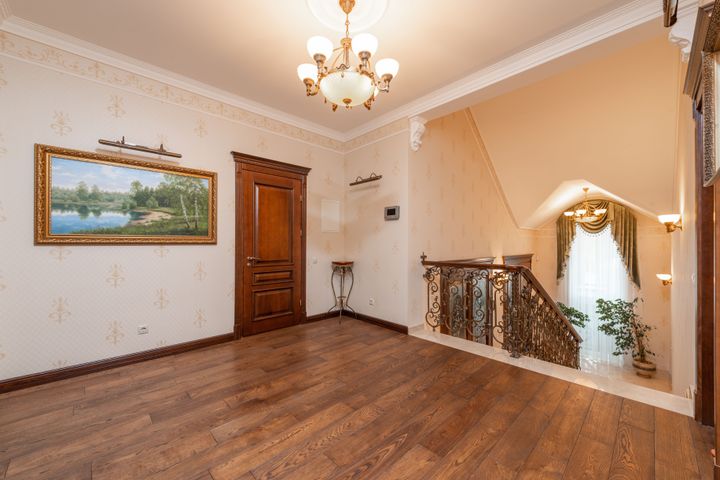
Neutral tones frequently form the foundation of sophisticated interiors.

Common examples include:

  • Soft white
  • Cream
  • Beige
  • Taupe
  • Greige
  • Charcoal

Neutral palettes can provide flexibility and allow furnishings, artwork, and architectural details to become focal points.

7

Understanding Warm and Cool Tones

Colours are often categorized according to their visual temperature.

Warm colours may include:

  • Terracotta
  • Soft gold
  • Warm beige
  • Muted bronze
  • Earth-inspired tones

Cool colours may include:

  • Slate blue
  • Soft gray
  • Sage green
  • Cool white
  • Charcoal tones

The balance between warm and cool colours can influence how a space feels.

Colour Psychology and Atmosphere

Colour psychology explores how colours may influence perception and emotional responses.

Examples often discussed include:

  • Blues associated with calmness
  • Greens associated with nature
  • Earth tones associated with comfort
  • Neutrals associated with balance
  • Dark tones associated with sophistication

Individual reactions to colour can vary significantly.

Layering Colours for Depth

Sophisticated interiors often use multiple shades within a similar colour family.

Examples include:

  • Light, medium, and dark neutrals
  • Tonal variations of blue
  • Layered earth-inspired colours
  • Coordinated monochromatic palettes

Layering can add visual interest without creating excessive contrast.

Accent Colours and Visual Interest

Accent colours are frequently used to introduce character into a room.

Examples may include:

  • Deep navy
  • Emerald green
  • Burgundy
  • Burnt orange
  • Muted gold

Accent colours are commonly applied through:

  • Cushions
  • Artwork
  • Decorative accessories
  • Upholstery
  • Statement furniture

Luxury-Inspired Colour Combinations

Many premium interiors utilize carefully balanced colour pairings.

Popular combinations include:

  • Beige and charcoal
  • Ivory and walnut
  • Navy and gold
  • Sage green and cream
  • Gray and natural wood tones

These combinations are often chosen for visual harmony and timeless appeal.

7

The Importance of Natural Light

Lighting significantly affects how colours appear within a space.

Factors influencing colour perception include:

  • Window placement
  • Sunlight intensity
  • Artificial lighting
  • Room orientation
  • Surface reflectivity

Colours may appear different throughout the day as lighting conditions change.

Materials and Colour Integration

Colour selection often works best when considered alongside materials.

Examples include:

  • Wood finishes
  • Stone surfaces
  • Metal accents
  • Fabric textures
  • Decorative elements

Material characteristics can influence how colours are perceived.

Colour Strategies for Different Spaces

Different rooms often serve different purposes.

Common approaches include:

Living Rooms

  • Balanced neutral palettes
  • Comfortable tones
  • Flexible accent colours

Bedrooms

  • Soft and calming colours
  • Relaxing visual environments
  • Reduced visual intensity

Home Offices

  • Focus-oriented colour schemes
  • Controlled contrast
  • Professional aesthetics

Dining Areas

  • Warm and inviting tones
  • Socially engaging environments
  • Coordinated decorative accents

Minimalist Colour Approaches

Minimalist interiors often emphasize restraint and simplicity.

Characteristics may include:

  • Limited colour palettes
  • Clean visual lines
  • Neutral foundations
  • Subtle contrasts
  • Functional design elements

Minimalism continues influencing contemporary interior design trends.

Interior Design Trends in 2026

Several colour-related trends continue shaping interior spaces.

Current trends include:

  • Earth-inspired tones
  • Organic colour palettes
  • Warm neutrals
  • Nature-inspired greens
  • Textured surfaces
  • Sustainable design aesthetics
  • Tonal layering
  • Timeless colour combinations

These trends reflect broader shifts toward comfort, sustainability, and personal expression.

Common Colour Selection Mistakes

Examples frequently discussed within design circles include:

  • Excessive colour variety
  • Ignoring lighting conditions
  • Overusing highly saturated colours
  • Lack of visual balance
  • Mismatched material combinations

Understanding design fundamentals may help improve colour coordination.

Frequently Asked Questions

What makes a colour palette look premium?

Premium colour palettes are often associated with balance, harmony, thoughtful layering, and cohesive design concepts.

Are neutral colours always used in luxury interiors?

Neutral colours are common but not mandatory. Many sophisticated interiors successfully incorporate richer colours and bold accents.

Why is lighting important when selecting colours?

Lighting affects colour appearance, tone perception, and overall visual atmosphere within a room.

What are accent colours?

Accent colours are secondary colours used to create contrast, visual interest, and personality within a space.

How many colours should be used in one room?

The number varies depending on the design concept, but many interiors utilize a primary colour, supporting tones, and a limited number of accent colours.

Conclusion

Colour selection is a foundational element of interior design that influences atmosphere, aesthetics, and spatial perception. Premium interiors often achieve sophistication not through complexity but through thoughtful coordination, balanced palettes, layered tones, and careful integration with lighting and materials.

As design trends continue evolving, understanding colour relationships, visual harmony, and interior styling principles can help create spaces that feel comfortable, elegant, and timeless.

Disclaimer

This article is intended solely for informational and educational purposes. It does not provide interior design, architectural, construction, engineering, commercial, financial, or professional advice. It does not endorse, recommend, compare, rank, review, market, or promote any paint brand, design service, product, contractor, or supplier. Readers should consult qualified design professionals regarding specific colour selections, renovation projects, construction decisions, and interior design requirements.


author-image

Ravi Shankar Maurya

We create purposeful content that speaks, resonates, and drives action.

June 13, 2026 . 8 min read