Understanding Hidden Water Leaks: Learn Facts, Advice, Explanations, and Useful Resources
Hidden water leaks occur when water escapes from pipes, fittings, plumbing systems, or water-related equipment without being immediately visible. Unlike a dripping tap or a burst pipe that can be easily noticed, hidden leaks often develop behind walls, under floors, inside ceilings, or beneath foundations.
Modern buildings rely on extensive plumbing networks to distribute water safely throughout a property. Over time, ageing materials, pressure changes, corrosion, shifting foundations, and environmental factors can create small openings that allow water to escape. Because these leaks remain concealed, they may continue for long periods before signs become visible.
Many property owners first discover hidden leaks through indirect indicators such as unexpected water consumption increases, damp areas, mould growth, peeling paint, or unexplained structural damage. Understanding how hidden leaks develop helps people recognise potential warning signs before significant problems occur.
Common Sources of Hidden Water Leaks
| Source | Typical Location | Potential Impact |
|---|---|---|
| Supply Pipes | Walls and ceilings | Moisture damage |
| Underground Pipes | Beneath foundations | Structural concerns |
| Water Heaters | Utility rooms | Water accumulation |
| Bathroom Plumbing | Behind tiles | Mould development |
| Irrigation Systems | Outdoor areas | Soil saturation |
| Appliance Connections | Kitchens and laundry rooms | Gradual leakage |
Why Hidden Water Leaks Matter
Hidden leaks have become an important property maintenance concern because they can affect residential, commercial, and public buildings alike. Even a small leak may release a significant amount of water over time.
Property owners often focus on visible maintenance issues, while concealed leaks remain unnoticed until secondary damage appears. This makes early identification particularly valuable.
Some key concerns associated with hidden leaks include:
- Water waste and resource loss
- Damp conditions that encourage mould growth
- Damage to flooring, walls, and ceilings
- Reduced structural integrity in affected areas
- Increased maintenance requirements
- Potential impacts on indoor air quality
Who Is Affected?
Hidden water leaks can affect:
- Homeowners
- Tenants
- Property managers
- Facility operators
- Educational institutions
- Healthcare facilities
- Commercial building owners
As buildings become more complex and connected through smart infrastructure, monitoring water systems has become increasingly important across many sectors.
Signs That May Indicate a Hidden Leak
Although hidden leaks are difficult to observe directly, certain warning signs may suggest their presence:
- Persistent damp odours
- Discoloured walls or ceilings
- Peeling paint or wallpaper
- Unusual mould growth
- Cracks near plumbing routes
- Reduced water pressure
- Unexpected increases in water usage
- Warm spots on flooring above leaking hot-water pipes
Estimated Impact of Undetected Leaks
| Time Undetected | Potential Consequences |
|---|---|
| Days | Minor moisture buildup |
| Weeks | Visible stains and dampness |
| Months | Mould growth and material deterioration |
| One Year or More | Structural concerns and extensive repairs |
Recent Developments in Leak Detection
The past year has seen continued growth in smart water management technologies and leak-monitoring solutions.
During 2025 and early 2026, many property technology providers expanded the use of smart water sensors, connected leak detectors, and artificial intelligence-based monitoring systems. These systems can analyse water flow patterns and identify unusual activity that may indicate a hidden leak.
Several utility organisations and infrastructure agencies have also increased efforts to reduce water loss through advanced monitoring programs. Water conservation initiatives have encouraged greater adoption of digital metering technologies capable of identifying abnormal usage patterns.
Recent trends include:
- Expansion of smart water monitoring systems
- Increased use of acoustic leak detection technology
- Growth of IoT-based plumbing sensors
- Integration of leak alerts into property management platforms
- Wider use of predictive maintenance tools
Leak Detection Technology Trends
Traditional Inspection      ██████
Moisture Sensors            ██████████
Smart Water Monitoring      ███████████████
AI-Based Analytics          ████████████
IoT Leak Detection          ██████████████
The trend illustrates growing adoption of automated technologies that help identify potential issues earlier than traditional inspection methods alone.
Water Conservation and Sustainability
Governments, utilities, and environmental organisations continue to emphasise water conservation. Hidden leak detection is increasingly viewed as part of broader sustainability and resource management efforts.
Reducing water loss helps:
- Preserve water resources
- Improve infrastructure efficiency
- Support environmental goals
- Reduce strain on public water systems
- Enhance long-term building performance
Regulations and Policy Considerations
Hidden water leaks are indirectly influenced by various building, plumbing, environmental, and water management regulations.
Many countries maintain building codes that establish standards for:
- Plumbing installation
- Pipe materials
- Water system safety
- Leak prevention measures
- Maintenance requirements
- Building inspections
Property owners are generally expected to maintain plumbing systems in accordance with applicable local regulations.
Building Code Requirements
Common regulatory areas include:
- Approved plumbing materials
- Pressure control standards
- Backflow prevention measures
- Water efficiency requirements
- Inspection procedures
- Renovation compliance standards
Government Water Conservation Programs
Many governments have introduced water-efficiency initiatives that encourage:
- Improved leak monitoring
- Efficient plumbing systems
- Water conservation practices
- Smart metering adoption
- Infrastructure modernisation
Such programs aim to reduce water loss and support long-term sustainability objectives.
Insurance and Risk Management Considerations
Insurance providers increasingly recognise water damage as a significant property risk. Some policies may include requirements related to property maintenance, leak prevention, and timely reporting of water-related incidents.
Property owners should review applicable policy documents and local regulations to understand their responsibilities.
Helpful Tools and Resources
Technology has made hidden leak detection more accessible through a variety of tools and resources.
Water Monitoring Tools
Useful categories include:
- Smart water sensors
- Digital water meters
- Moisture detection devices
- Thermal imaging equipment
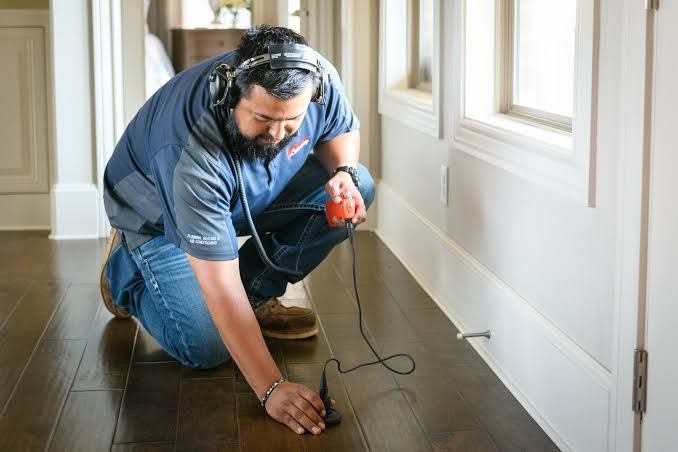
- Acoustic leak detection tools
- Building monitoring systems
Educational Resources
Helpful information may be available through:
- Government water authorities
- Building standards organisations
- Environmental agencies
- Water conservation programs
- Property maintenance associations
- Infrastructure management resources
Digital Resources
Many modern platforms provide:
| Resource Type | Purpose |
|---|---|
| Water Usage Dashboards | Track consumption patterns |
| Leak Alert Systems | Detect abnormal activity |
| Maintenance Templates | Schedule inspections |
| Property Monitoring Apps | Monitor building conditions |
| Utility Portals | Review water usage data |
| Sustainability Platforms | Support conservation goals |
Preventive Maintenance Checklist
Property owners can consider:
- Inspecting visible plumbing regularly
- Monitoring water consumption trends
- Checking for damp or stained surfaces
- Reviewing utility data periodically
- Testing shut-off valves
- Examining appliance connections
- Monitoring irrigation systems
- Scheduling plumbing assessments when necessary
Frequently Asked Questions
What is considered a hidden water leak?
A hidden water leak is water escaping from a plumbing system in a location that is not immediately visible, such as behind walls, beneath floors, inside ceilings, or underground.
How can hidden leaks be detected?
Detection methods may include moisture monitoring, thermal imaging, acoustic equipment, smart water sensors, digital metering systems, and professional inspections.
Can a hidden leak affect building structures?
Yes. Long-term moisture exposure may contribute to deterioration of building materials, mould development, and structural concerns if left unaddressed.
Are smart water monitoring systems becoming more common?
Yes. Recent advances in smart property technology have increased the adoption of connected sensors, automated alerts, and data-driven leak monitoring solutions.
Why is leak prevention important?
Leak prevention helps conserve water, supports building maintenance, reduces moisture-related risks, and contributes to more efficient resource management.
Can hidden leaks occur in newer buildings?
Yes. Although modern plumbing systems are designed to meet current standards, leaks can still occur due to installation issues, material defects, environmental conditions, or unexpected system failures.
Conclusion
Hidden water leaks are often difficult to detect because they develop in concealed areas of a property. Despite their hidden nature, they can influence water conservation efforts, building performance, maintenance planning, and overall property condition.
Advances in smart monitoring technology, digital water management systems, and leak detection tools are helping property owners identify issues earlier than ever before. At the same time, building regulations, water-efficiency initiatives, and sustainability programs continue to encourage responsible water management practices.
By understanding how hidden leaks occur, recognising common warning signs, staying informed about modern detection methods, and using available resources, individuals and organisations can make informed decisions that support long-term property maintenance and water conservation goals.